Learn how to create effective phonics worksheets that reinforce oral instruction. This guide covers best practices for CVC words, blends, digraphs, and vowel teams—and shows how an AI phonics worksheet generator like Monsha helps you create printable worksheets quickly.
.avif)
After a phonics block, teachers already know what sound or pattern students practiced - maybe CVC words, a blend, or a digraph - and just need a short, focused worksheet to reinforce it.
That’s where things often break down. Finding free phonics worksheets that match the exact pattern taught that day takes time, and many worksheets mix sounds, add unfamiliar words, or don’t work well for independent practice. As a result, worksheets get edited, simplified, or skipped altogether.
A good phonics worksheet generator helps bridge that gap. It allows you to create practice for one phonics skill at a time, so the worksheet follows the lesson instead of pulling students in a new direction. When used well, an AI phonics worksheet generator supports oral phonics instruction by turning it into a quick, structured follow-up that students can work on independently.
The section below walks through how that looks in practice - starting with how to create a phonics worksheet in just a couple of minutes.
.avif)
A phonics worksheet is usually a follow-up - something students can work on independently after you’ve practiced the sounds together.
This is how you can use Monsha as a phonics worksheet generator when you need that reinforcement quickly.
After logging into Monsha, go straight to the worksheet generator.
You can do this while lesson planning or right after a phonics block, when you know what sound or pattern my students are working on that week.
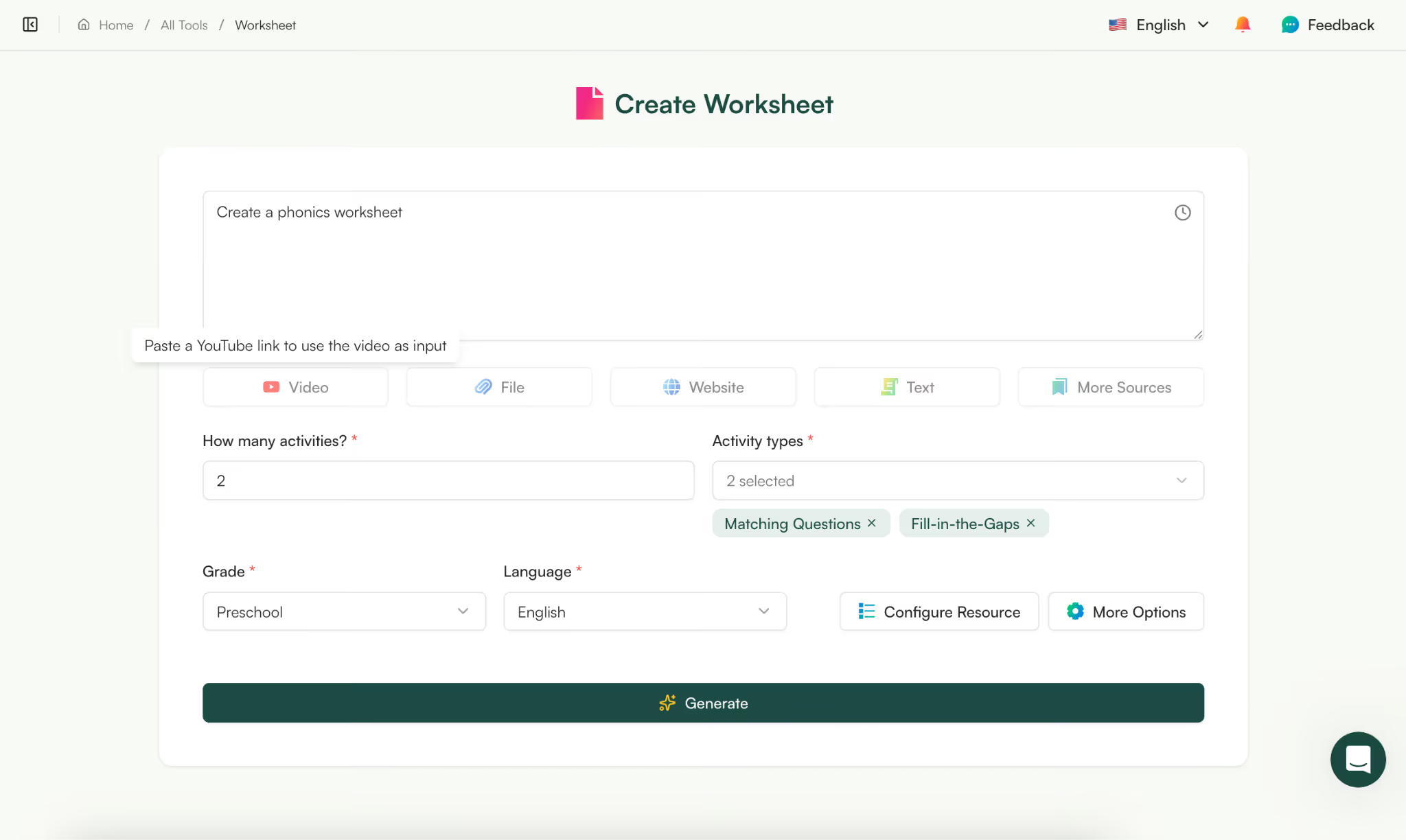
In the input box, write a short, practical instruction - something like “create a phonics worksheet for beginning sounds or simple CVC words”.
You don’t have to plan the individual questions at this stage. You just anchor the worksheet to the one phonics skill your students practiced orally.
This works well for kindergarten phonics worksheets and early letter-sound practice, where consistency matters more than variety.
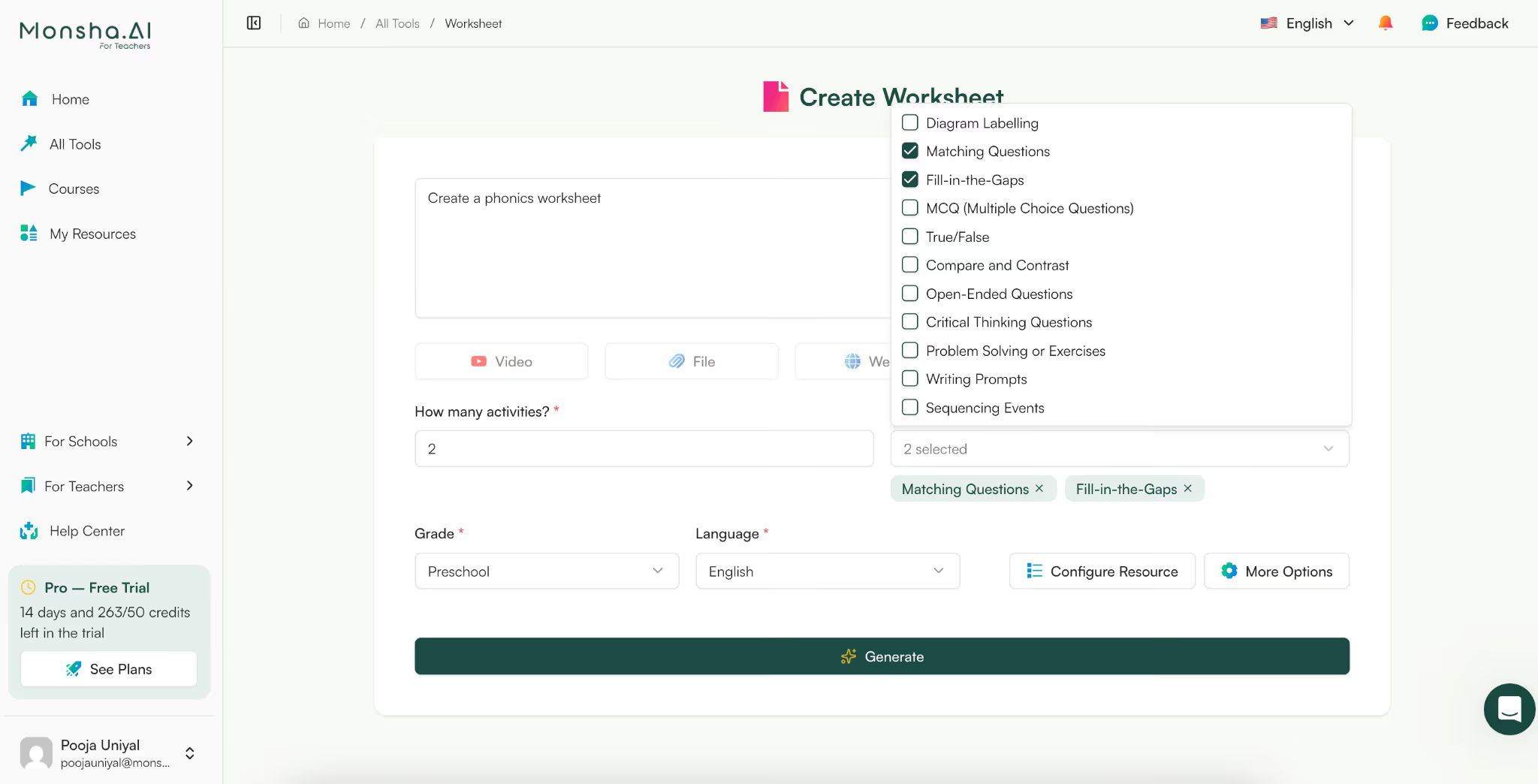
Monsha offers many activity formats, but for phonics, you can keep it simple.
Select:
These mirror what students already do in class:
I would suggest avoiding activity types that require long writing or explanations, because at this stage students need to focus on identifying words and how they sound. Decoding.
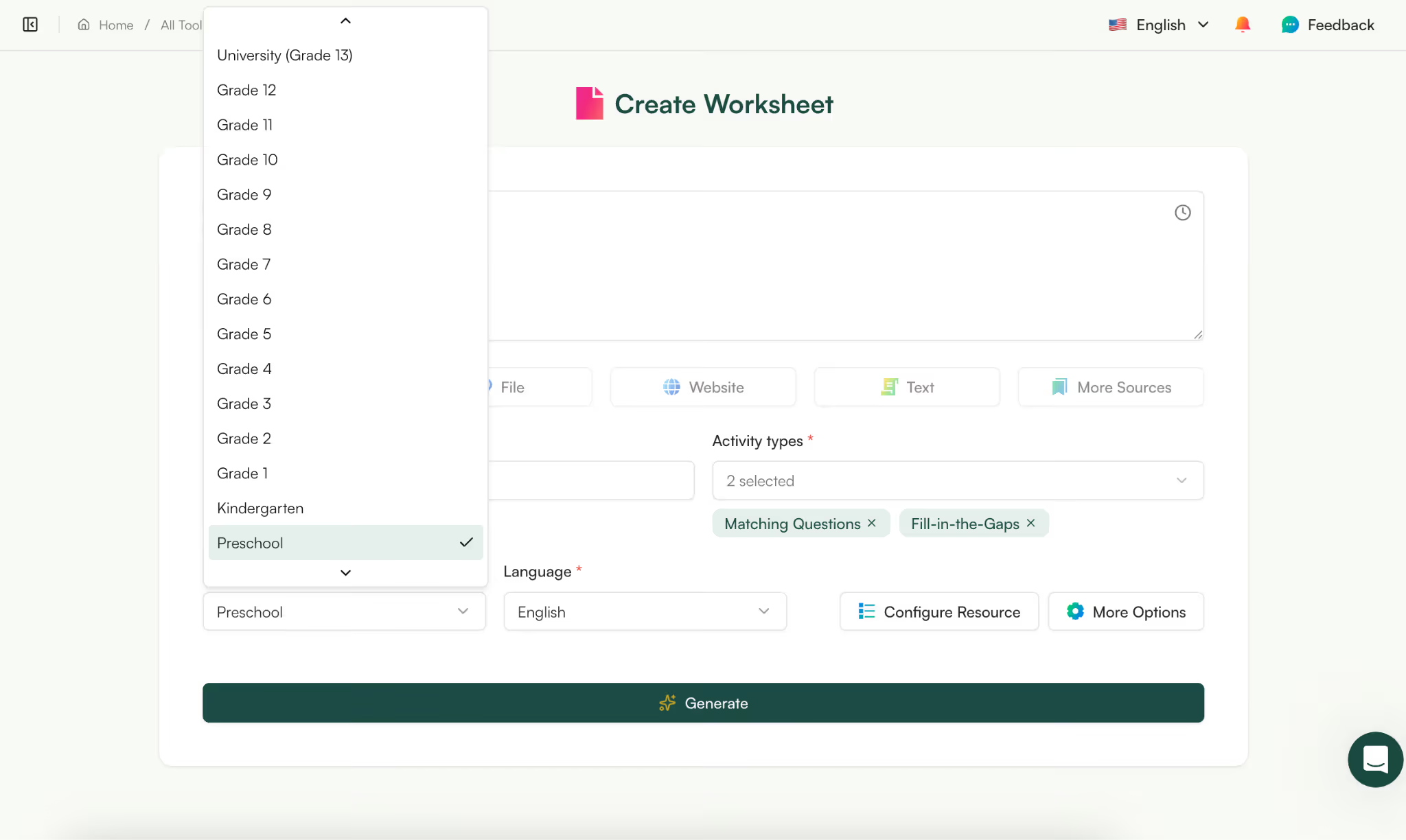
Next, choose the grade level (for phonics worksheet, it’s usually preschool or kindergarten) and the language.
This matters because it keeps:
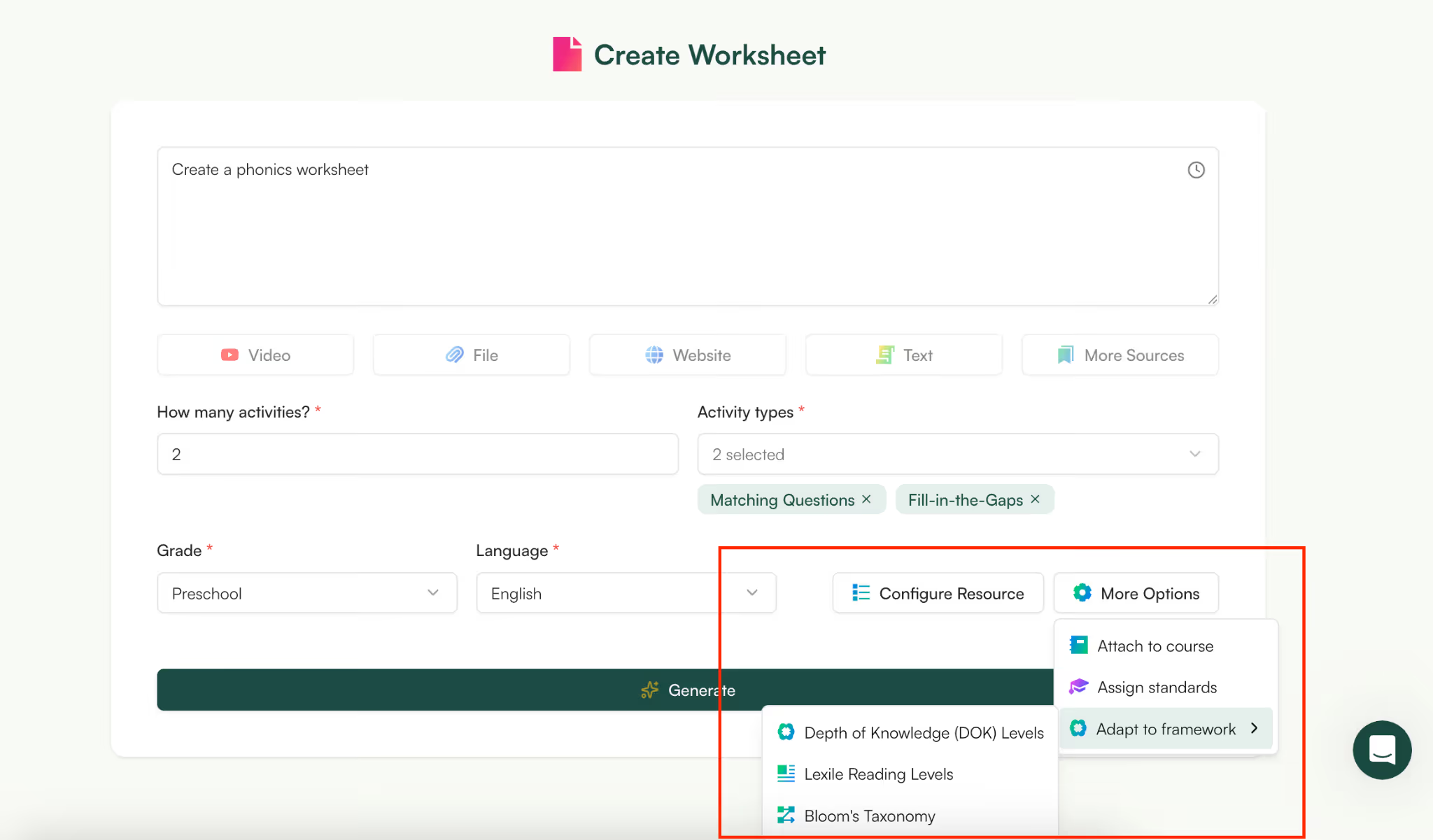
Monsha has differentiation options for worksheets so while teaching with different groups of students, you can adjust the worksheet using options like Lexile level or DOK.
For example, you can generate one version for the whole class and a slightly simpler version for a small group that needs more support.
This saves time compared to rewriting the same worksheet twice.
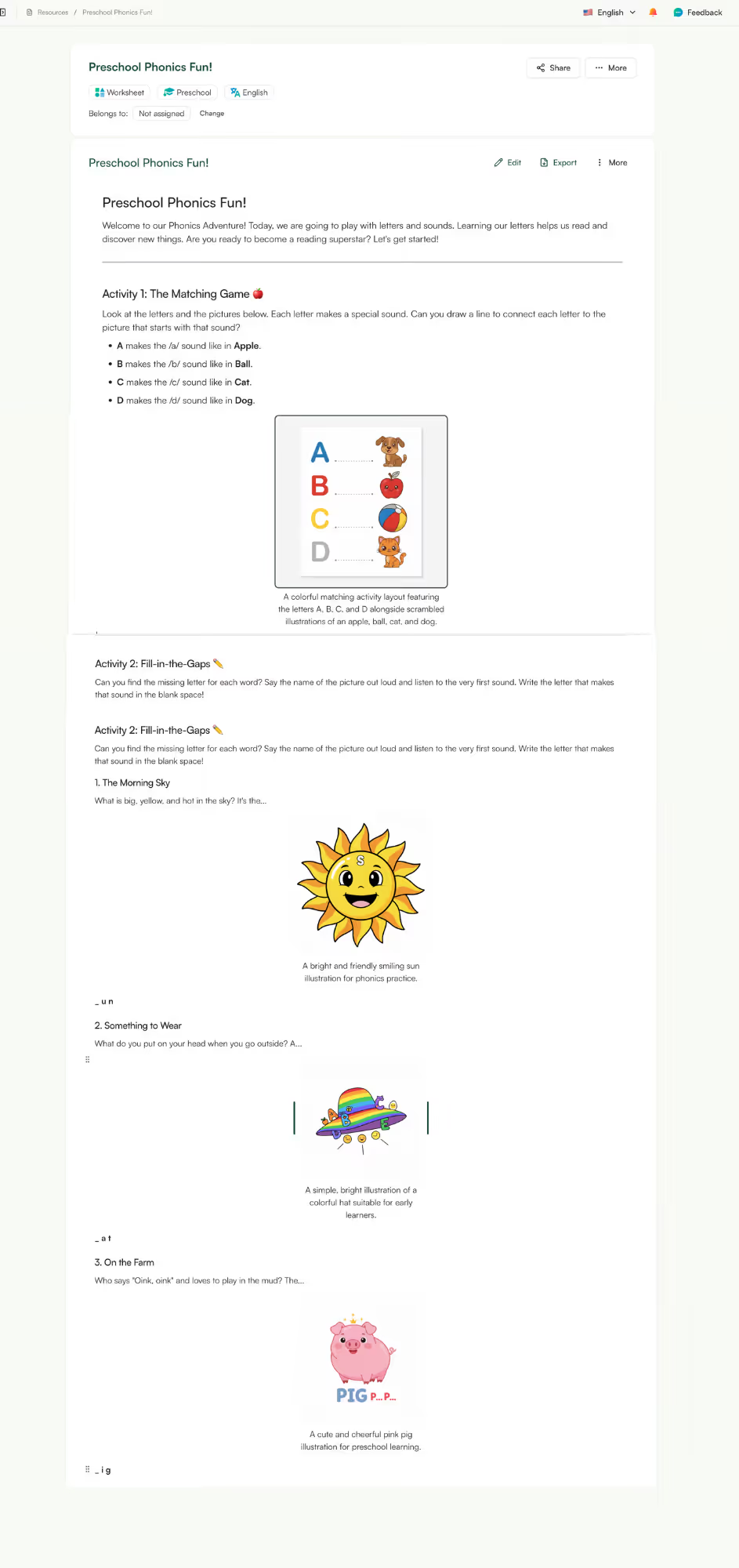
Once you click generate, the AI phonics worksheet generator puts together a worksheet with questions and visuals already in place.
At this point, you have something you can realistically hand to students:
You don’t need to assemble resources from multiple places or format anything manually.
Try it now — no need to switch tabs
Describe your worksheet topic below, pick your activity types and grade, and Monsha will build it for you in seconds.
If you need to make a quick change - swap an image, tweak wording, or add a table - you can do that in the editor.
Most of the time, though, the phonics worksheet is good to use as it is.
Do you know, there are 30 more ways you can use Monsha? Read about them here.
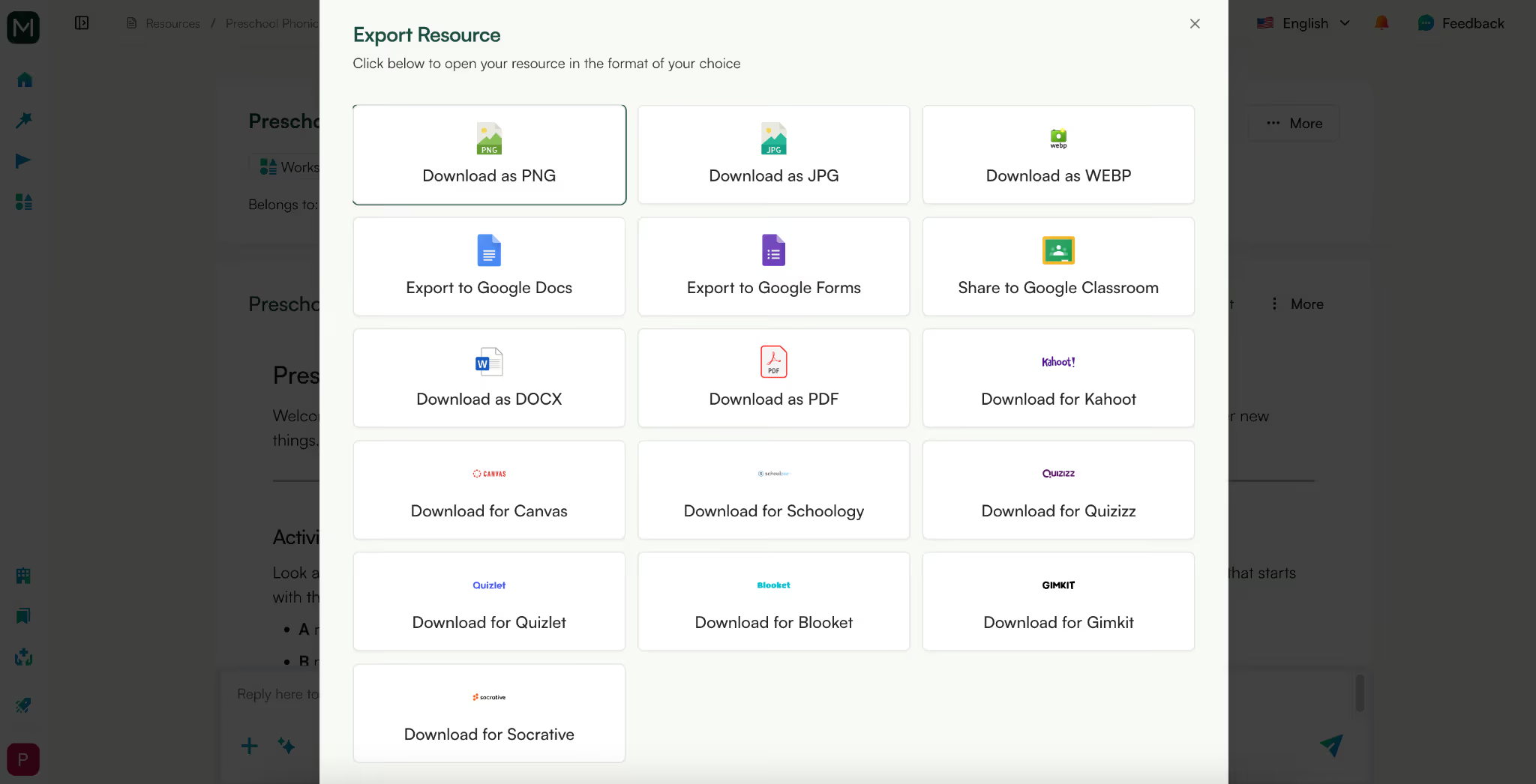
Once the worksheet is ready, the next question is always the same: “How do I use this with my students?”
Monsha’s phonics worksheet generator makes this part flexible, which matters because not every classroom runs the same way.
If you need a printed worksheet for independent practice or a small group, export it as PNG or JPEG. These formats work well for free printable phonics worksheets because you can download them and print them straight away using the school printer, without worrying about formatting shifting or margins breaking.
If you want something more formal to share with another teacher, or send to an administrator, export it as a phonics worksheets PDF. That keeps everything clean and consistent, especially when the worksheet includes images and structured activities.
For digital classrooms, you can also export to tools like Google Docs or Google Forms, which is helpful when students are working online or when you want to collect responses.
The point is, you don’t have to recreate your phonics worksheet just to make it usable. Whether you want to print it, share it, or use it digitally, the worksheet is ready in the format you need - which is exactly what you want when you’re planning phonics lessons during a busy school day.
From start to finish, the process takes a 5 minutes. You get a clear, focused follow-up worksheet that reinforces the sound or pattern you taught in your classroom.
That’s where an AI phonics worksheet generator like Monsha fits naturally into your workflow.
Your phonics worksheets should be structured in such a way that they fit naturally after an oral phonics instruction.
The worksheet repeats the same sound pattern that your students just practiced. For example, after practicing ‘c-a-t’ sound aloud, students can fill in ‘c _ t’ on the page.
When to use: Early phonics instruction, beginning sounds, and first blending practice.
CVC worksheets work best when every word follows the same consonant–vowel–consonant structure and uses short vowels only.
Decodable sentence examples
Common worksheet activities
You can use this structure in kindergarten phonics worksheets and early letter sounds worksheets.
Generate this in Monsha by:

When to use: After students are confident with CVC words and ready to read slightly longer words.
Decodable sentence examples
Common worksheet activities
These worksheets are a natural next step in structured phonics exercises, helping students blend sounds smoothly without stopping between letters.
How to generate this in Monsha?
When to use: Once students are ready to recognize letter pairs that make a single sound.
With digraph worksheets, you consistently reinforce the idea that the two letters work together.
Decodable sentence examples:
Common worksheet activities
You can use this approach in early phonics reading worksheets, where visual recognition supports sound blending.
How to generate in Monsha?
When to use: Later in the phonics sequence, once short vowels and digraphs are established.
Vowel worksheets work best when they focus on one vowel pattern at a time, rather than mixing multiple rules.
Decodable sentence examples
Typical worksheet focus
These worksheets are often shared as phonics worksheets PDFs so they can be reused across lessons or small groups.
How is this generated in Monsha?
By the time teachers reach for a worksheet, they’re not looking for ideas, they’re looking for alignment. The phonics pattern has already been taught orally. What’s needed next is a short, focused worksheet that reinforces that same sound without introducing anything new.
That’s where Monsha stands out as an AI phonics worksheet generator. It doesn’t treat phonics like generic language practice. It allows worksheets to be created around one clear pattern - CVC words, blends, digraphs, or vowel teams - using activity types that actually make sense for phonics instruction. The result is practice that fits naturally after the lesson, instead of competing with it.
Just as importantly, Monsha removes the usual friction. There’s no need to search for free phonics worksheets, edit mismatched activities, or rebuild layouts to make them printable. Worksheets are generated with visuals, can be adjusted if needed, and exported as phonics worksheets PDFs or printable formats that work in real classrooms.
For teachers creating kindergarten phonics worksheets, letter sounds worksheets, or short phonics exercises for independent work, Monsha isn’t just faster - it’s more reliable. It helps ensure that what students practice on paper reflects exactly what they practiced aloud.



AI in Education Content
Pooja Uniyal works closely with teachers and schools to understand and guide how AI is being used in real classrooms today. Her work at Monsha focuses on capturing practical teaching workflows and turning them into clear, usable guidance for educators exploring AI in their daily planning.
Join thousands of educators who use Monsha to plan courses, design units, build lessons, and create classroom-ready materials faster. Monsha brings AI-powered curriculum planning and resource creation into a simple workflow for teachers and schools.
Get started for free


.avif)