AI in Education

10 Formats For Your AI Vocabulary Generator to Generate Perfect Vocabulary Worksheets

Explore 10 powerful formats you can generate using an AI vocabulary worksheet generator. Create structured, high-impact vocabulary worksheets that move beyond busywork and improve student understanding.

Last updated on

February 15, 2026

· Written by

Pooja Uniyal

You teach the word, students copy the definition and forget it a week later

That’s the real problem with many vocabulary worksheets. They focus on completion, not understanding.

If you’re looking for an AI vocabulary worksheet generator, you’re not just trying to automate busywork. You’re trying to create vocabulary practice that helps students:

  • Understand what a word actually means
  • Distinguish it from similar terms
  • Use it correctly in writing
  • Retain it over time

The solution isn’t more worksheets, it's a better format.

In this guide, you’ll find 10 high-utility vocabulary worksheet formats that build real understanding and can be generated efficiently using a vocabulary worksheets AI tool designed for instructional depth.

You’ll also see real AI generated vocabulary worksheets by Monsha for each format.

Let’s start.

try monsha

10 High-Utility Formats for an AI Vocabulary Worksheet Generator

Basic AI vocabulary generators only create vocabulary lists, but when you include these models in the prompt, you generate worksheets that make sure students not only understand the word, but they also remember it and can use it in their day to day life.

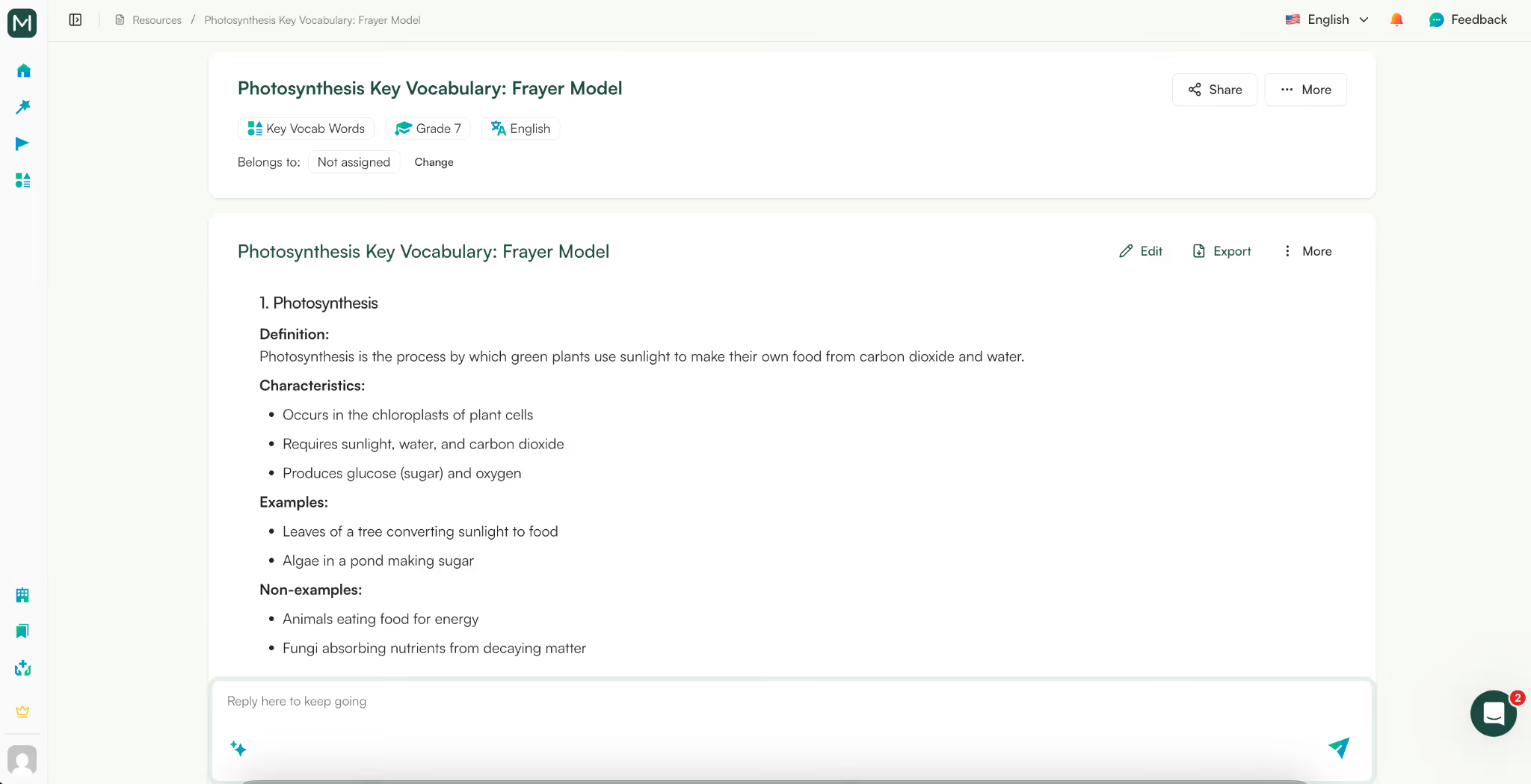
1. Frayer Model (Conceptual Understanding)

If you're using an AI vocabulary worksheet generator, the Frayer Model should be one of the first formats you use. It forces students to think about meaning, not just copy it.

What Is the Frayer Model?

The Frayer Model is a four-quadrant vocabulary organizer that helps students fully understand a word by exploring:

  • Definition (in their own words)
  • Characteristics
  • Examples
  • Non-examples

It moves vocabulary from memorization → understanding → application.

When to include the Frayer Model in your AI vocabulary worksheet?

Use this format when:

  • Introducing Tier 2 academic vocabulary
  • Teaching abstract concepts
  • Preparing students for writing tasks
  • Clarifying commonly confused terms
  • Beginning a new unit

It works especially well in:

  • ELA
  • Science vocabulary
  • Social studies concepts

Example of a vocabulary format generated by Monsha, the AI vocabulary generator

High-Utility Formats for an AI Vocabulary Worksheet Generator

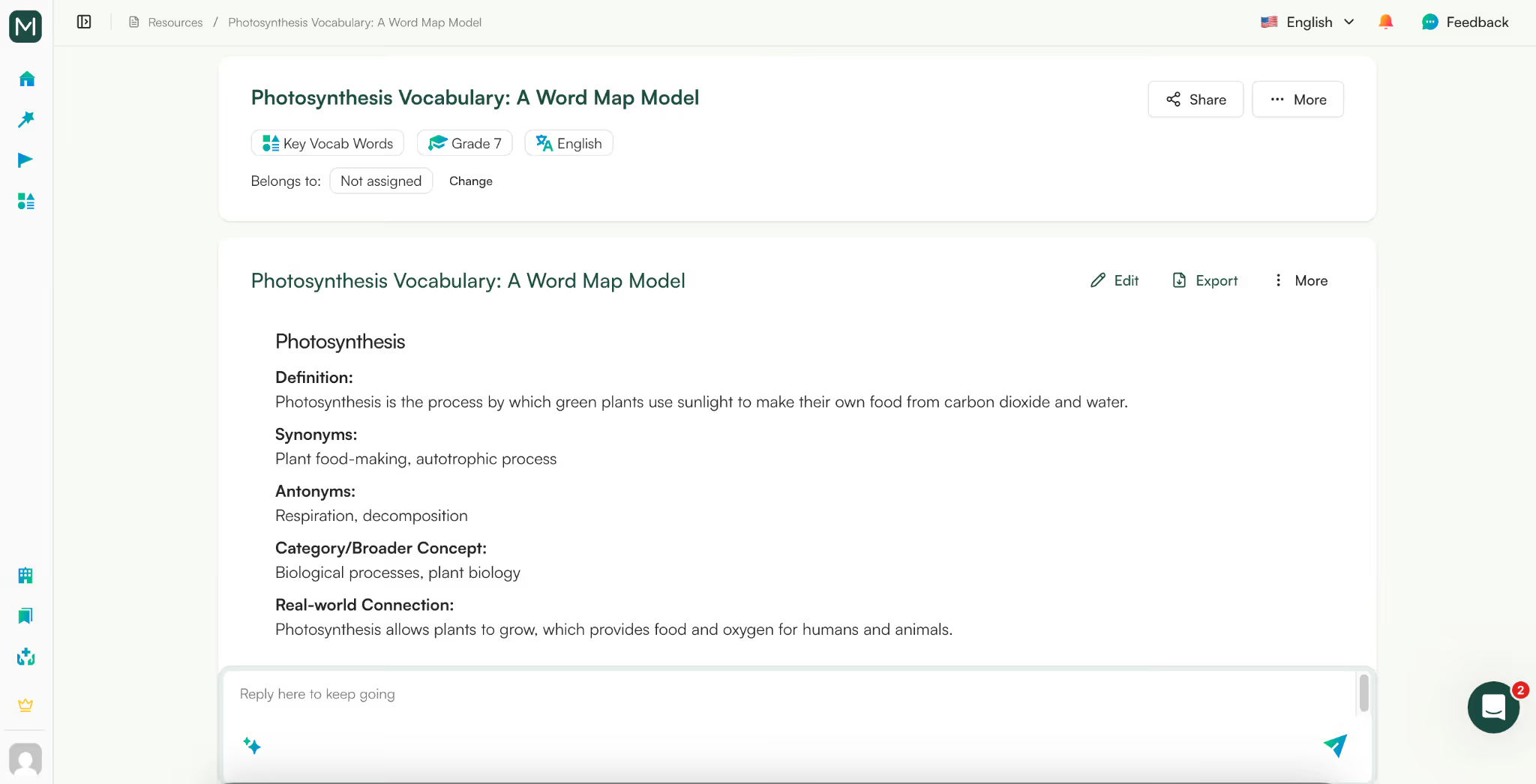
2. Word Maps (Relationship-Based Learning)

Unlike basic vocabulary worksheets that focus only on definitions, Word Maps help students see how a word connects to other ideas.

What is a word map?

A Word Map is a structured organizer that helps students explore a vocabulary word through multiple relational lenses, such as:

  • Definition (student-friendly)
  • Synonyms
  • Antonyms
  • Category or broader concept
  • Real-world connection
  • Visual or symbolic representation (optional)

Instead of asking, “What does this word mean?” Word Maps ask: How does this word relate to other words and ideas?

💡
Monsha also helps you convert your vocabulary lists into PPT slides . To know more, read this blog.

When to Include the Word Maps Format in your AI vocabulary worksheet?

Use this format when:

  • Students are learning nuanced academic vocabulary
  • Words have multiple related meanings
  • You want to strengthen writing vocabulary
  • Students confuse similar terms
  • You're preparing for analytical writing tasks

It works especially well in:

  • ELA (tone words, literary terms)
  • Science (processes and systems)
  • Social studies (political and economic concepts)

Example of a vocabulary format generated by Monsha, the AI vocabulary generator

High-Utility Formats for an AI Vocabulary Worksheet Generator

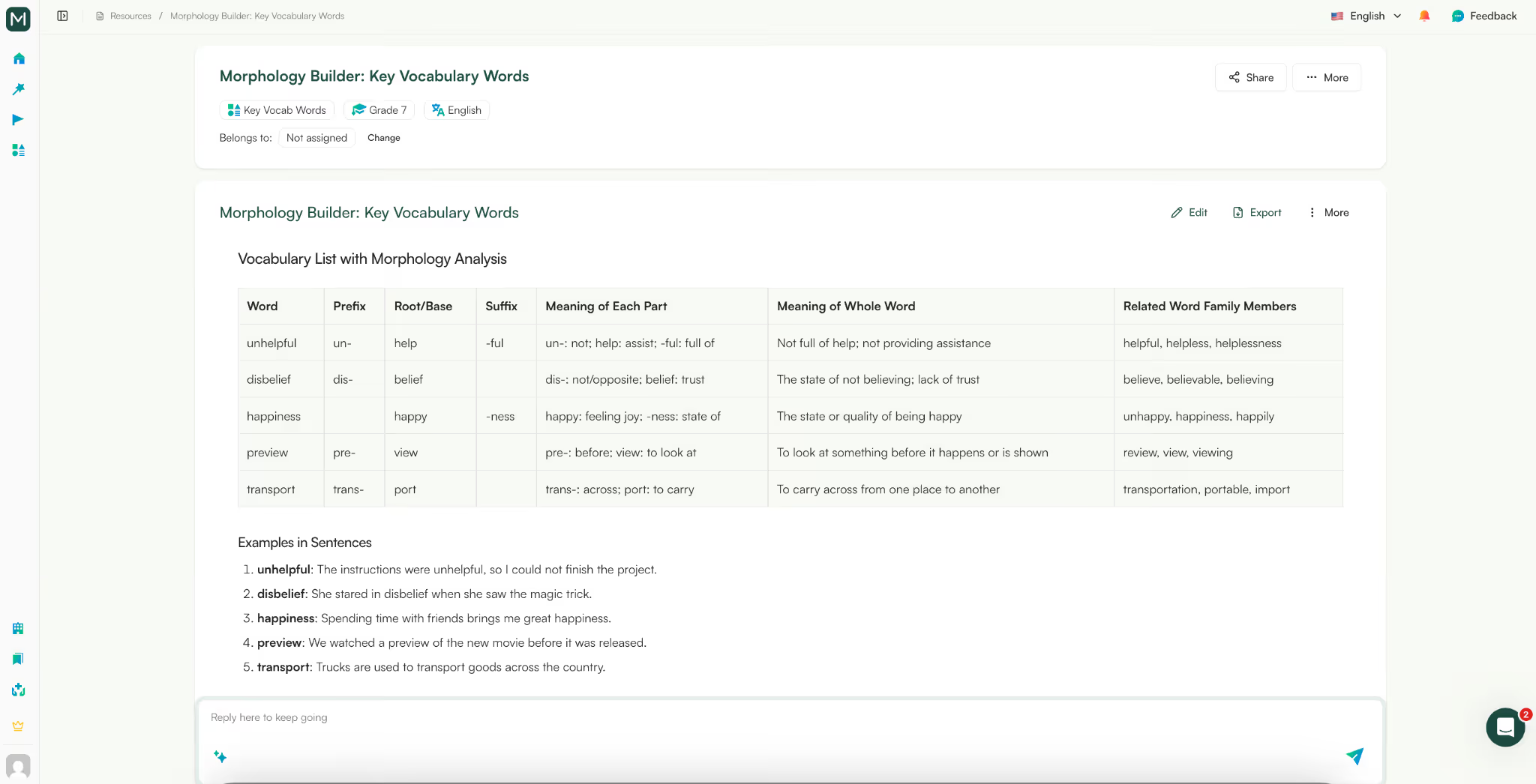
3. Morphology Builder (Prefix, Suffix, Roots)

Once students understand morphology - prefixes, suffixes, and roots - they don’t just learn one word, they understand how vocabulary functions.

Even after using vocabulary worksheets AI tools, you get isolated terms but morphology worksheets are built to teach decoding skills that transfer across subjects.

What Is a Morphology Builder?

A Morphology Builder worksheet helps students analyze a word by examining its parts:

  • Prefix
  • Root or base word
  • Suffix
  • Meaning of each part
  • Meaning of the whole word
  • Related word family members

It shifts vocabulary instruction from “learn this word” to: Learn how this word is constructed.

When to include Morphology in your AI vocabulary worksheet?

Use this format when:

  • Teaching academic Tier 2 vocabulary
  • Introducing science and social studies terminology
  • Supporting struggling readers
  • Preparing for standardized tests
  • Building word analysis skills

It works especially well in:

  • Science (photosynthesis, geothermal, biodegradable)
  • Social studies (democracy, transportation, reconstruction)
  • Upper elementary through high school

Example of a Vocabulary Format Generated by Monsha, the AI vocabulary worksheet generator

High-Utility Formats for an AI Vocabulary Worksheet Generator

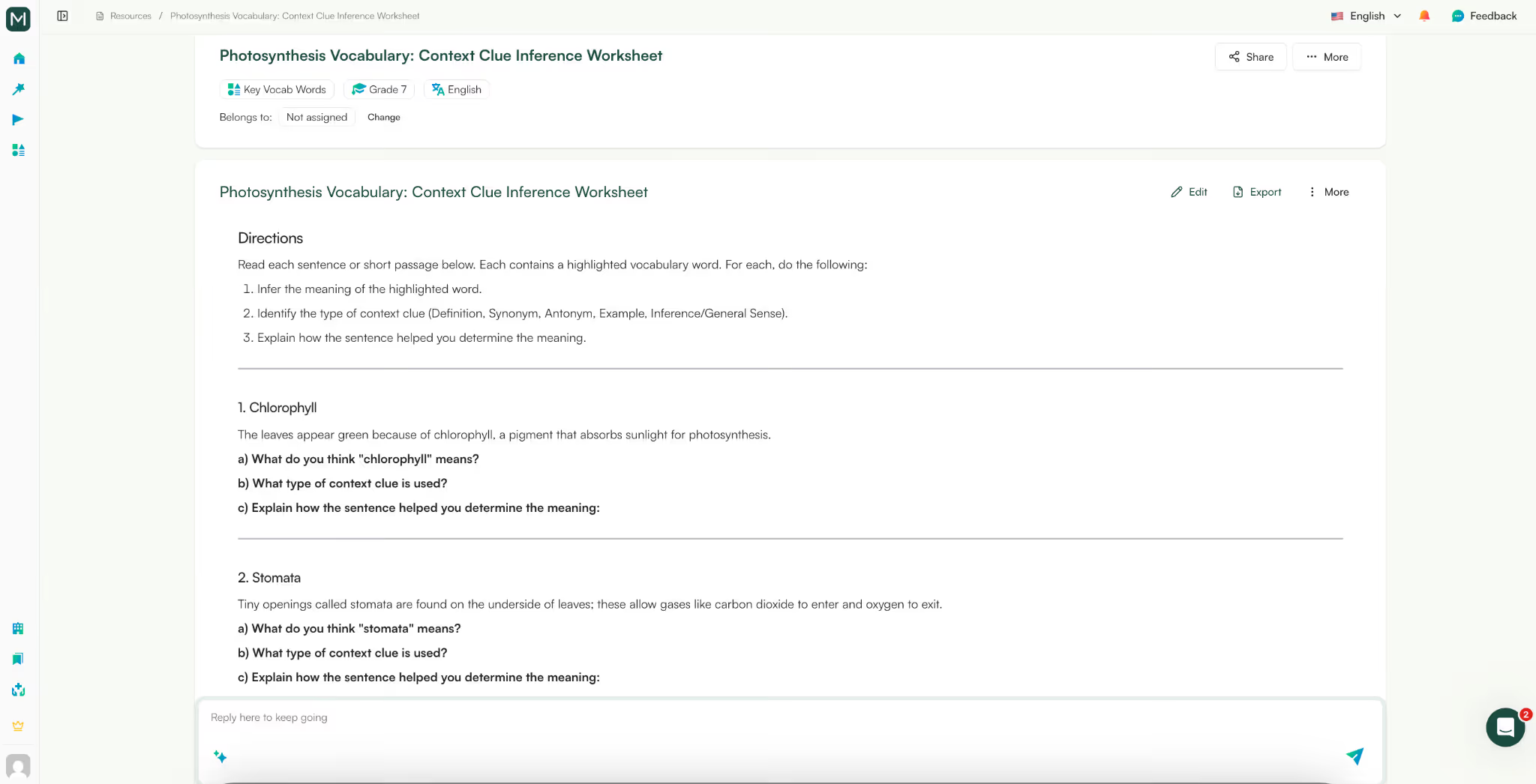
4. Context Clue Analysis Worksheet

In real reading situations, students don’t have a glossary next to every unfamiliar word. A Context Clue Analysis worksheet teaches students how to infer meaning while reading.

What Is a Context Clue Analysis Worksheet?

This format presents vocabulary words inside meaningful sentences or short passages and asks students to:

  • Infer the meaning of the word
  • Identify the type of context clue
  • Explain how the sentence helped them determine the meaning

Common context clue types include:

  • Definition clue
  • Synonym clue
  • Antonym clue
  • Example clue
  • Inference/general sense clue

It moves vocabulary instruction from “Here’s the meaning” to:

What clues in the sentence help you figure it out?

That builds reading independence.

When to include the Context Clue format in your AI vocabulary worksheet?

Use this format when:

  • Introducing new academic vocabulary within a reading
  • Preparing students for standardized tests
  • Teaching nonfiction comprehension
  • Supporting struggling readers
  • Reinforcing close reading skills

It works especially well in:

  • ELA reading passages
  • Science textbook excerpts
  • Social studies articles
  • Novel studies

Example of a Vocabulary Format Generated by Monsha

High-Utility Formats for an AI Vocabulary Worksheet Generator

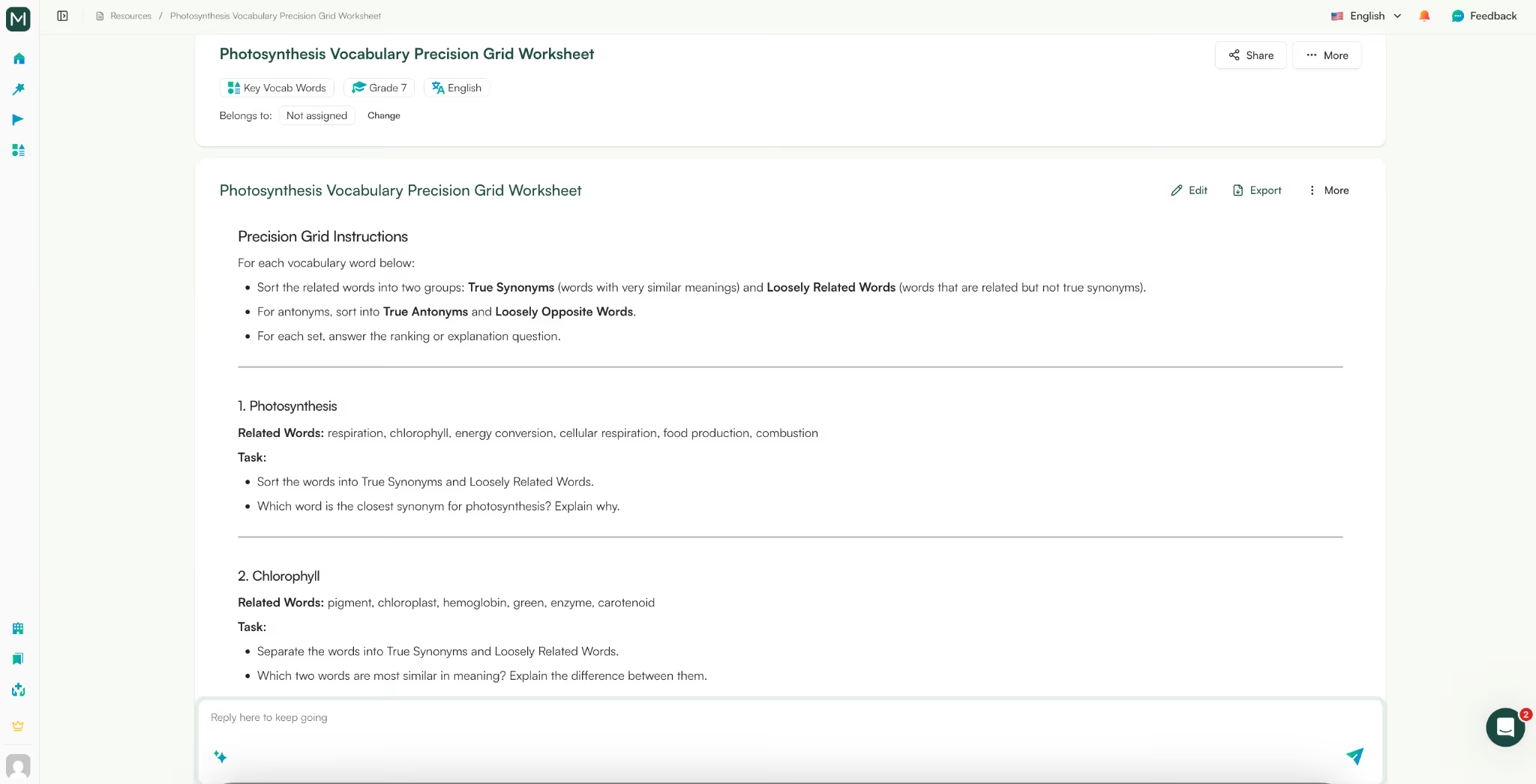
5. Synonym / Antonym Precision Grid

A Synonym / Antonym Precision Grid helps students understand shades of meaning and the subtle differences that actually improve writing and comprehension. This format builds nuance and word awareness.

What Is a Synonym / Antonym Precision Grid?

This worksheet format presents:

  • A target vocabulary word
  • 4–6 related words (near-synonyms or antonyms)
  • A ranking, sorting, or categorizing task

Students might be asked to:

  • Rank words from weakest to strongest
  • Identify which synonym best fits a specific sentence
  • Separate true synonyms from loosely related words
  • Explain differences between two similar words

It shifts vocabulary learning from “These words mean the same thing” to “These words are related, but here’s how they differ.”

When to use a Synonym / Antonym Precision Grid in your AI vocabulary worksheet?

Use this format when:

  • Teaching descriptive writing
  • Preparing students for argumentative essays
  • Improving word choice in narratives
  • Building academic vocabulary
  • Clarifying commonly confused words

It works especially well in:

  • ELA writing units
  • Literary analysis
  • Opinion and persuasive writing
  • Upper elementary through high school

Example of a Vocabulary Format Generated by Monsha, the AI vocabulary worksheet generator 

High-Utility Formats for an AI Vocabulary Worksheet Generator

If you need more help with generating vocabulary worksheets, you can join Monsha’s Facebook community. Here, teachers share tips and also ask questions to better use AI into their teaching workflow

Join the community now

join Monsha's Facebook community

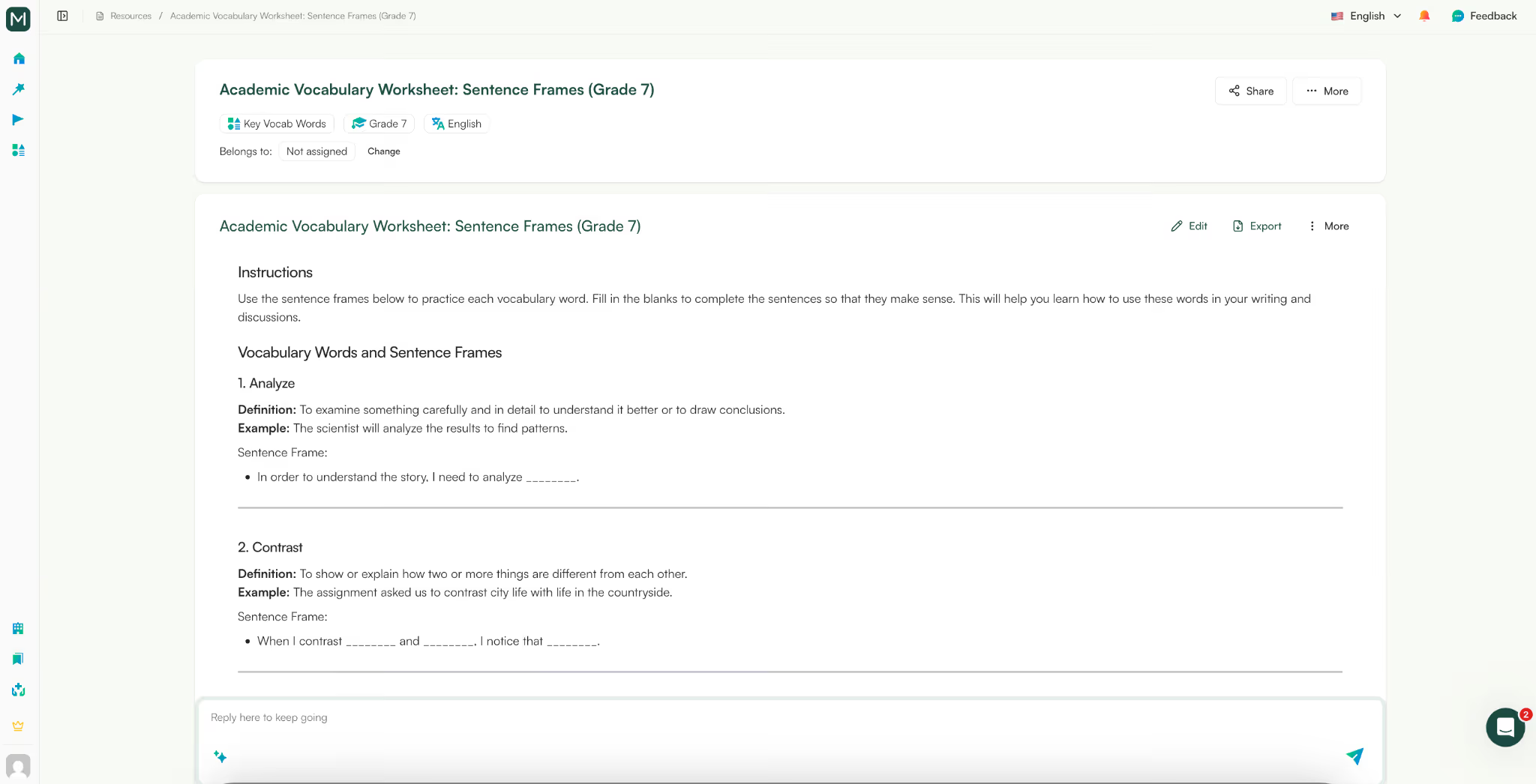
6. Sentence Frames for Academic Usage

If you're using an AI vocabulary worksheet generator, it should help students use vocabulary in meaningful academic sentences, not just define it. Because knowing a word is different from being able to use it correctly in writing.

What Are Sentence Frames?

Sentence Frames are partially completed academic sentences that guide students in using vocabulary correctly.

Instead of: “Write a sentence using the word analyze.” Students receive structured support like:

  • “The author uses ___ to analyze ___.”
  • “One major factor that contributed to ___ was ___.”
  • “This evidence demonstrates that ___.”

When to include the sentence frames format in your AI vocabulary worksheets?

Use this format when:

  • Preparing students for essays
  • Teaching academic discussion
  • Supporting structured paragraph writing
  • Introducing new Tier 2 vocabulary
  • Reinforcing subject-specific terminology

It works especially well in:

  • Literary analysis
  • Science explanations
  • Social studies arguments
  • CER (Claim–Evidence–Reasoning) writing

Example of a vocabulary format generated by Monsha, the AI vocabulary worksheet generator

High-Utility Formats for an AI Vocabulary Worksheet Generator

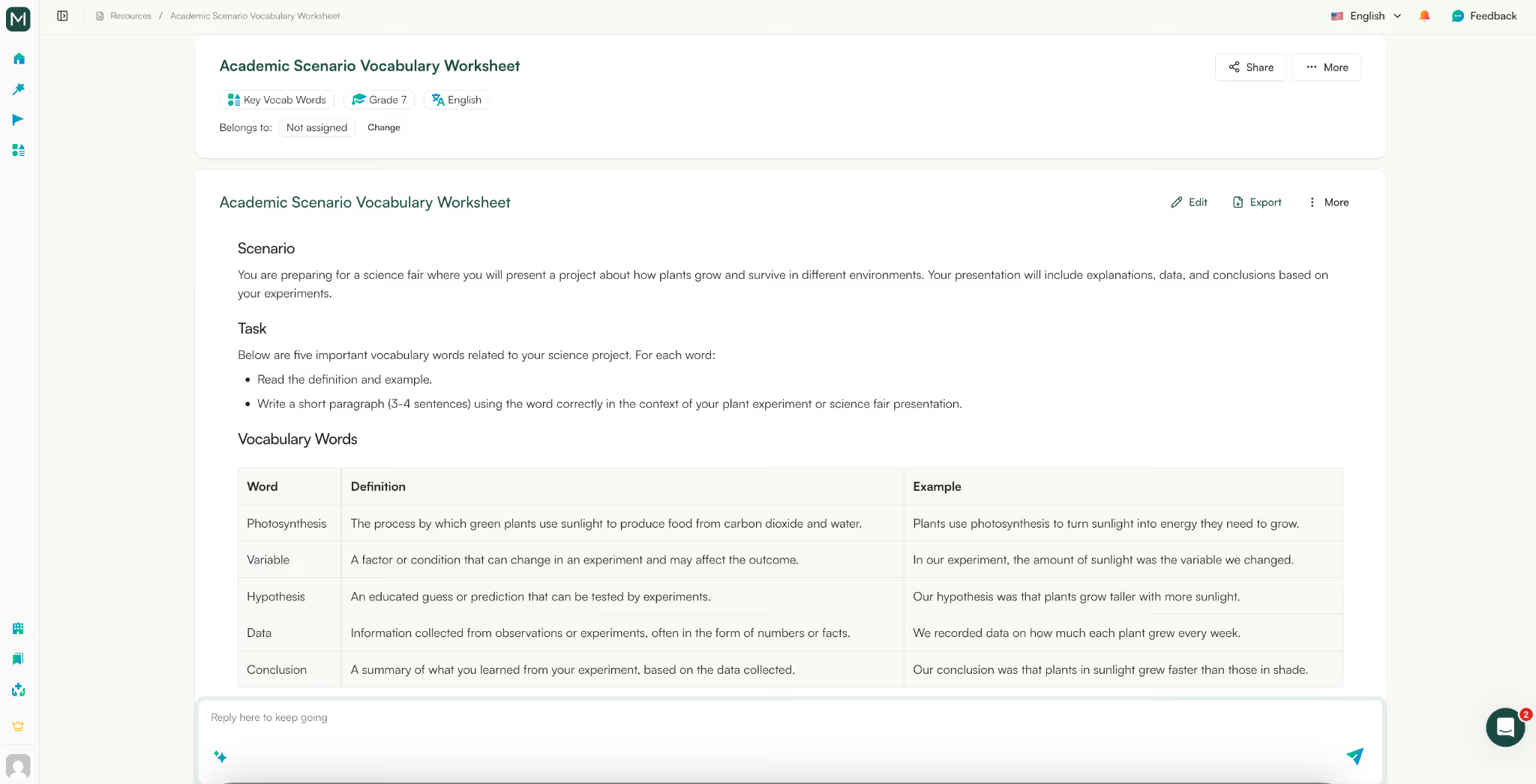
7. Application-Based Scenarios (Use It in Context)

Vocabulary sticks when students use it in meaningful contexts, not when they repeat definitions. That’s why application-based scenarios help. They require students to apply words inside realistic academic situations.

What Are Application-Based Scenarios?

This format presents:

  • A short real-world or academic scenario
  • A focused task requiring correct vocabulary use
  • A writing or reasoning component

Instead of asking: “Write a sentence using the word justify.”

You ask: “A student claims that homework should be banned. Write a paragraph to justify your position using evidence.”

When to include the application-based format in your vocabulary worksheets?

Use this format when:

  • Students are preparing for assessments
  • You want vocabulary integrated into writing
  • Teaching argumentative or explanatory essays
  • Reinforcing content-area vocabulary
  • Transitioning from guided to independent practice

It works especially well in:

  • CER writing
  • Debate preparation
  • Short constructed responses
  • Project-based learning

Example of a Vocabulary Format Generated by Monsha, the AI vocabulary worksheet generator

High-Utility Formats for an AI Vocabulary Worksheet Generator

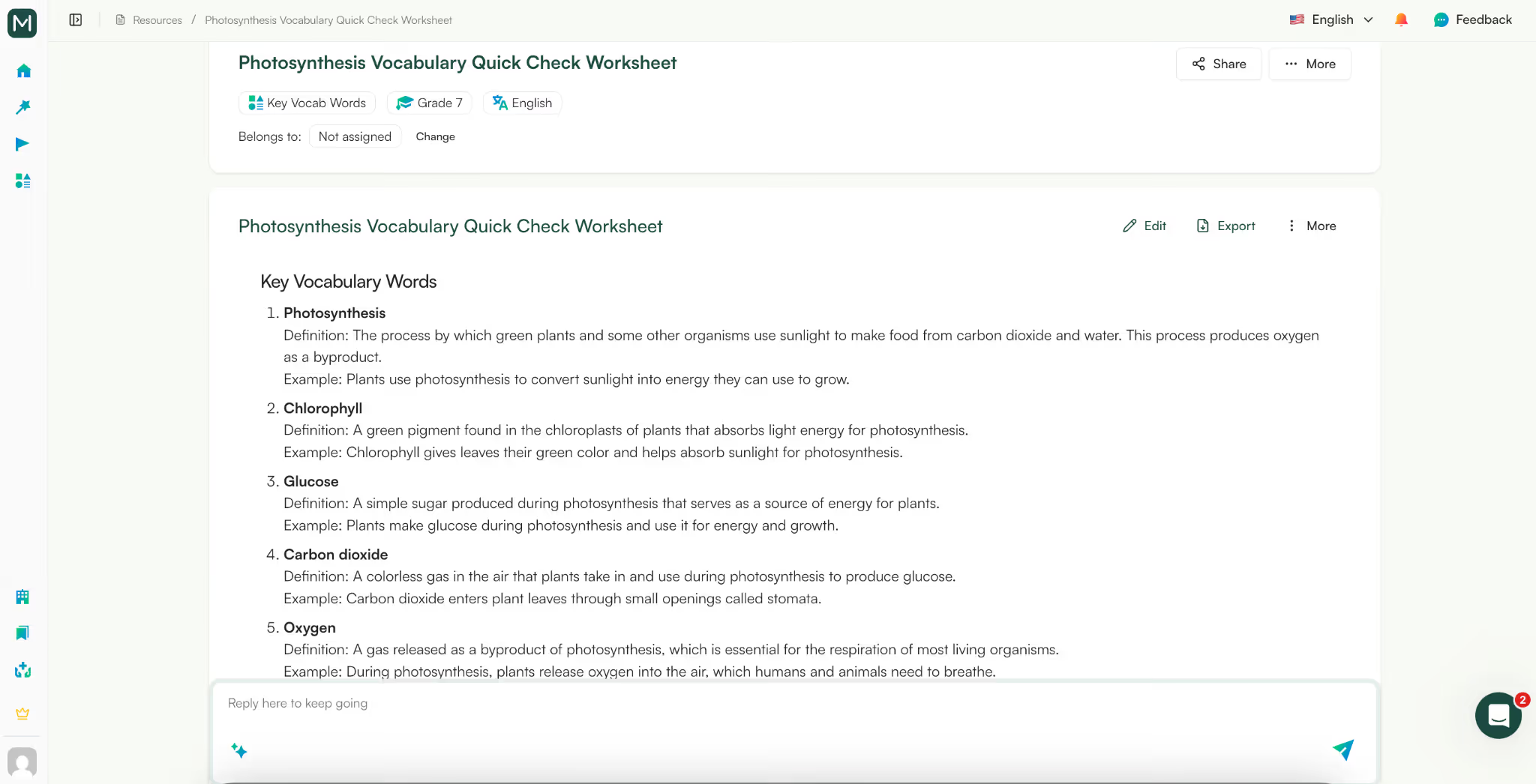
8. Vocabulary Quick Checks (Exit Ticket Format)

Unlike traditional vocabulary worksheets AI tools that focus only on practice activities, Quick Checks function as formative assessment. They tell you whether students actually understand and can apply the words.

What Are Vocabulary Quick Checks?

A Quick Check worksheet is a short, focused assessment that typically includes:

  • 3–5 targeted questions
  • A mix of multiple choice and short response
  • One higher-order thinking prompt
  • Optional self-assessment reflection

When to include vocabulary quick checks in your AI vocabulary worksheet?

Use this format when:

  • Closing a lesson
  • Preparing for a quiz
  • Reviewing unit vocabulary
  • Monitoring small group instruction
  • Gathering data before reteaching

It works especially well in:

  • Exit tickets
  • Warm-ups
  • Review days
  • Assessment prep

Example of a vocabulary format generated by Monsha, the AI vocabulary worksheet generator

High-Utility Formats for an AI Vocabulary Worksheet Generator

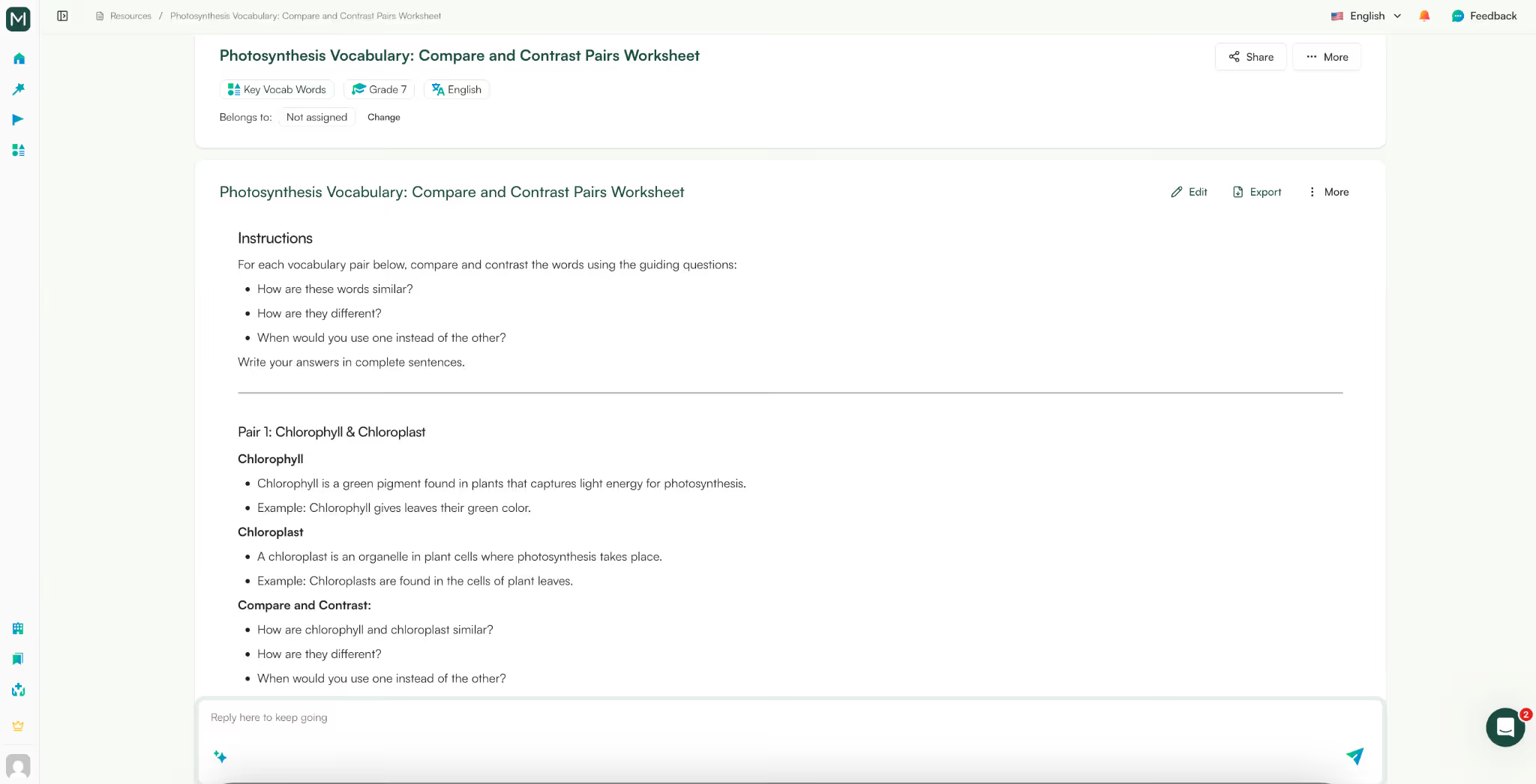
9. Compare & Contrast Word Pairs

If you're using an AI vocabulary worksheet generator, it should help students distinguish between commonly confused words, not just define them separately.

Because many academic misunderstandings happen when students think two related words mean the same thing.

What Is a compare & contrast word pair worksheet?

This format presents:

  • Two closely related vocabulary words
  • A structured comparison task
  • A written explanation or application prompt

Instead of asking students to define each word independently, the worksheet asks:

  • How are these words similar?
  • How are they different?
  • When would you use one instead of the other?

This builds precision, which strengthens both reading comprehension and writing clarity.

A strong vocabulary worksheets AI tool should automatically detect commonly confused word pairs from your pasted lesson text and generate structured comparison prompts.

When to include the compare & contrast word pairs model in your AI vocabulary worksheet?

Use this format when:

  • Teaching academic writing
  • Addressing frequently confused words
  • Preparing students for assessments
  • Strengthening analytical skills
  • Clarifying subject-specific terminology

It works especially well in:

  • Literary analysis
  • Science explanations (mass vs. weight)
  • Social studies concepts (democracy vs. republic)
  • Essay writing units

Example of a Vocabulary Format Generated by Monsha, the AI vocabulary worksheet generator

High-Utility Formats for an AI Vocabulary Worksheet Generator

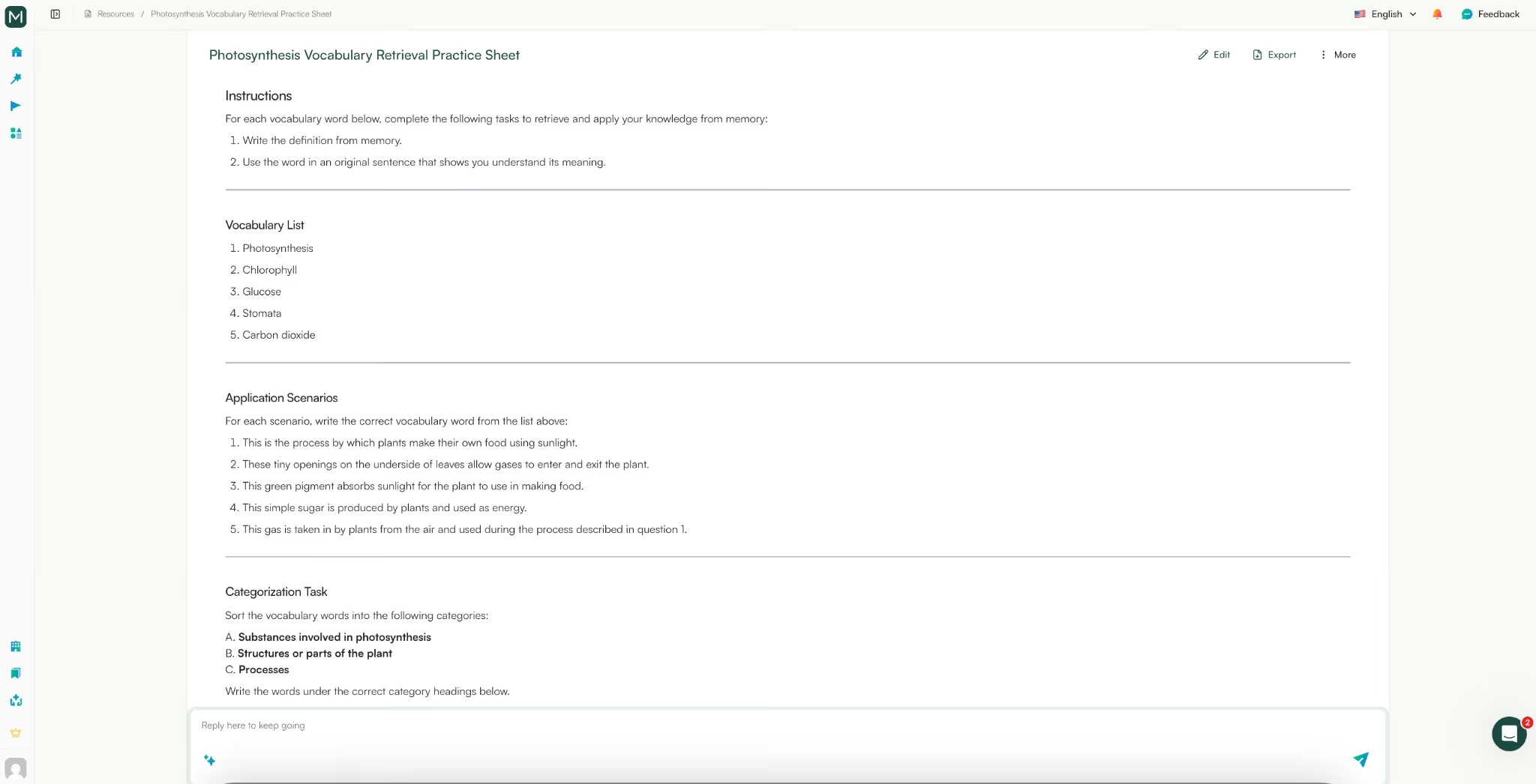
10. Retrieval Practice Sheet (“Use It or Lose It”)

A Retrieval Practice Sheet is designed to strengthen long-term memory by forcing students to recall words without prompts.

What Is a Retrieval Practice Sheet?

This format includes:

  • A mixed list of previously taught vocabulary
  • No definitions provided
  • Short recall-based tasks
  • Application questions requiring accurate usage

Instead of showing the definition and asking students to match it, this worksheet asks them to:

  • Write the definition from memory
  • Use the word correctly in a sentence
  • Identify the correct word for a scenario
  • Sort words into categories without cues

When to include retrieval practice sheets in your AI vocabulary worksheets?

Use this format when:

  • Reviewing a unit
  • Preparing for a quiz or test
  • Starting a new lesson with prior vocabulary
  • Conducting weekly vocabulary review
  • Reinforcing Tier 2 academic words

It works especially well in:

  • Warm-ups
  • Spiral review
  • Test prep sessions
  • End-of-unit consolidation

Example of a Vocabulary Format Generated by Monsha, the AI vocabulary worksheet generator

High-Utility Formats for an AI Vocabulary Worksheet Generator

Creating extensive vocabulary worksheets shouldn’t be a hassle

Now that you’ve seen all 10 high-utility vocabulary worksheet formats, you can start implementing them in your classroom.

There’s no doubt these formats help students understand words better. But here’s the real challenge:

Creating this level of extensive vocabulary practice manually and doing it for multiple classes  isn’t realistic.

To build just one strong vocabulary set, you would have to:

  • Select the right academic words
  • Decide which format fits each word
  • Write student-friendly definitions
  • Create examples and non-examples
  • Design context-based questions
  • Build writing-aligned sentence frames
  • Add retrieval practice
  • Format everything cleanly for printing

And then repeat that process for your next lesson. That’s exactly why teachers look for a vocabulary worksheet generator, not because they want shortcuts, but because they want depth - without spending hours building it from scratch.

💡
Here’s a blog that answers all your questions about worksheet creation: Everything you need to know about creating amazing worksheets.

How Monsha Helps You Create Extensive Vocabulary Worksheets - Fast?

Monsha is an AI vocabulary worksheet generator designed specifically for classroom use.

It doesn’t just generate definition sheets.

It helps you create structured, thinking-based vocabulary resources that you can actually use. Here’s how Monsha supports your workflow:

  • Paste any lesson, article, or chapter
  • Automatically extract meaningful Tier 2 and Tier 3 vocabulary
  • Generate high-utility formats (Frayer, morphology, context clues, comparison grids, retrieval practice, and more)
  • Create multi-page, extensive vocabulary worksheet sets in minutes
  • Add images when helpful to support comprehension
  • Edit directly inside the tool
  • Export printable or editable versions instantly

Instead of building one worksheet at a time, you generate a complete vocabulary packet aligned to your lesson. That’s the real value of a powerful vocabulary worksheet AI tool.

It gives you instructional depth, without the manual workload.

If you’re ready to create extensive vocabulary worksheets that genuinely help students understand and retain words, try Monsha.

Paste your next lesson and generate a full vocabulary set in minutes.

Try Monsha now.

Try Monsha

Pooja Uniyal

AI in Education Content

Pooja Uniyal works closely with teachers and schools to understand and guide how AI is being used in real classrooms today. Her work at Monsha focuses on capturing practical teaching workflows and turning them into clear, usable guidance for educators exploring AI in their daily planning.

Read more from this author

AI lesson planning and teaching resources in one place

Join thousands of educators who use Monsha to plan courses, design units, build lessons, and create classroom-ready materials faster. Monsha brings AI-powered curriculum planning and resource creation into a simple workflow for teachers and schools.

Get started for free