Looking for the best AI reading passage generator for teachers? This guide compares the top free and paid AI reading passage and reading comprehension generators, showing which tools actually help you create, differentiate, and reuse reading passages for real classroom teaching.
.avif)
AI reading passage generators can make lesson prep faster, but the real difference lies in how usable those passages are once they’re created.
If you only need a quick block of text, several tools on this list will get the job done. But for teachers who create reading materials regularly, the challenge isn’t generating passages, it’s differentiating them, reusing them, and turning them into lesson-ready resources without duplicating work.
So, we tested the best free AI reading passage generators available in the market. In this blog, we compare how they actually work in real classrooms, and show you which tools make sense depending on whether you need quick passages, or reusable teaching resources.
A reading passage generator is a tool that helps you create written passages for students based on inputs like topic, grade level, and length. When powered by AI, these tools can generate original content in seconds instead of relying on pre-written or overused texts.
Most AI reading passage generators allow you to:
Some advanced tools also function as an AI reading comprehension generator, helping teachers go beyond just text by supporting differentiation, edits, exports, or follow-up activities.
However, not all AI passage generators are built for classrooms. Many stop at producing text, leaving teachers to do the rest, formatting, adapting, and turning passages into usable lesson materials.
Reading passages may sound like they’re easy to do - and they are. But then you have to create several of them for different topics and classes. That’s when the work piles up and you need some extra help.
Let’s see how AI reading passage generators help:
In most classrooms, students read at different levels, but the lesson topic stays the same. AI reading passage generators allow you to differentiate passages by creating multiple versions of the same passage at different difficulty levels, instead of rewriting content manually for each group.
This is especially helpful when:
Finding a reading passage that fits your exact lesson is often harder than creating one. With an AI reading passage generator, you can generate passages based directly on what you’re teaching, whether it’s a specific science concept, a social studies topic, or a grammar focus.
This helps when:
When lesson plans change or time runs short, AI reading passage generators help you create usable reading material in minutes, not hours. Instead of searching across websites or modifying articles, you can generate a passage tailored to your needs and move on.
Teachers commonly use this for:
For students who need extra reading support, generic passages often feel disconnected from class learning. AI reading passages allow you to simplify vocabulary, shorten texts, or adjust tone while keeping the same core idea.
This is useful in:
Instead of separate materials, students stay aligned with the class topic.
Many teachers rely on the same reading passages year after year simply because they’re available. AI passage generators create original reading passages, helping you avoid repetition and reduce dependence on copyrighted content.
This makes it easier to:
All these reading passage generators are approved of our quality checks but some are clearly better than the others.
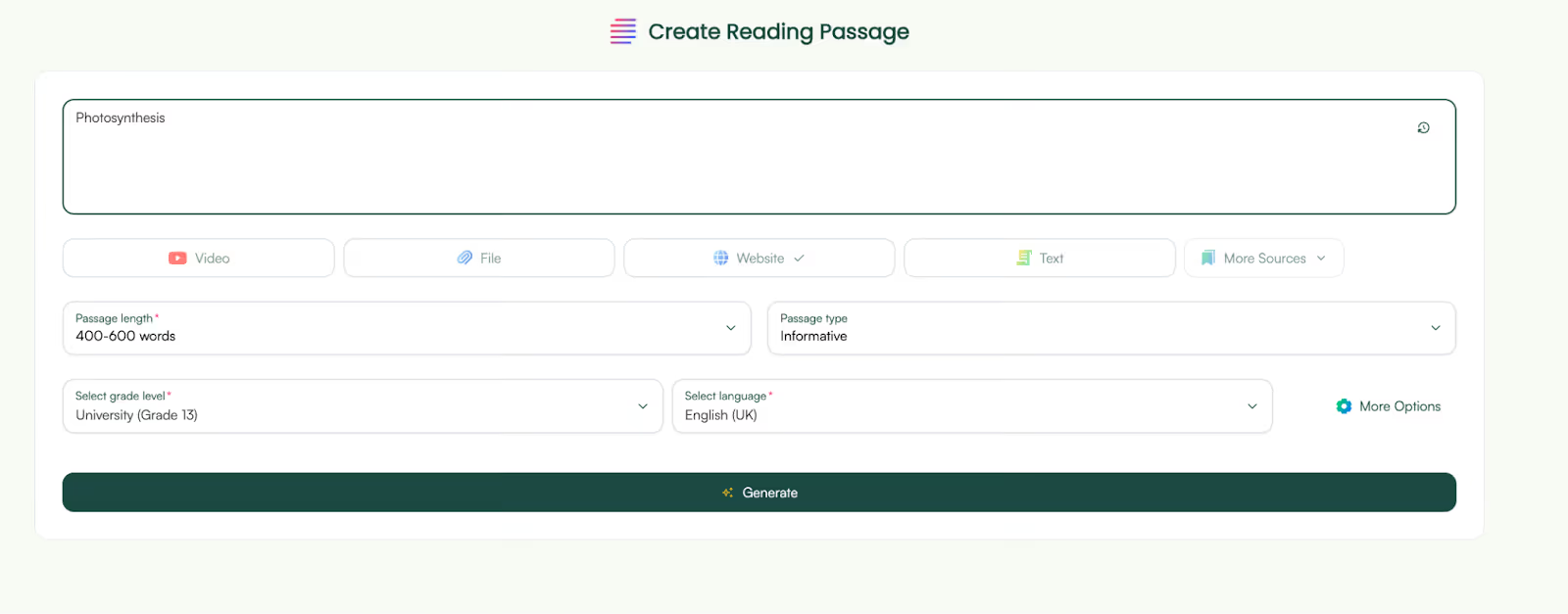
Monsha’s AI Reading Passage Generator lets you quickly create differentiated, curriculum-aligned reading texts from any source, including topics, uploaded files, website URLs, YouTube videos, or even past Monsha resources.
What separates Monsha from other tools on the list is that it doesn’t create isolated reading passages that you use once and forget. You can edit them for different classes, export them, and reuse them across lessons and activities with built-in classroom workflows.
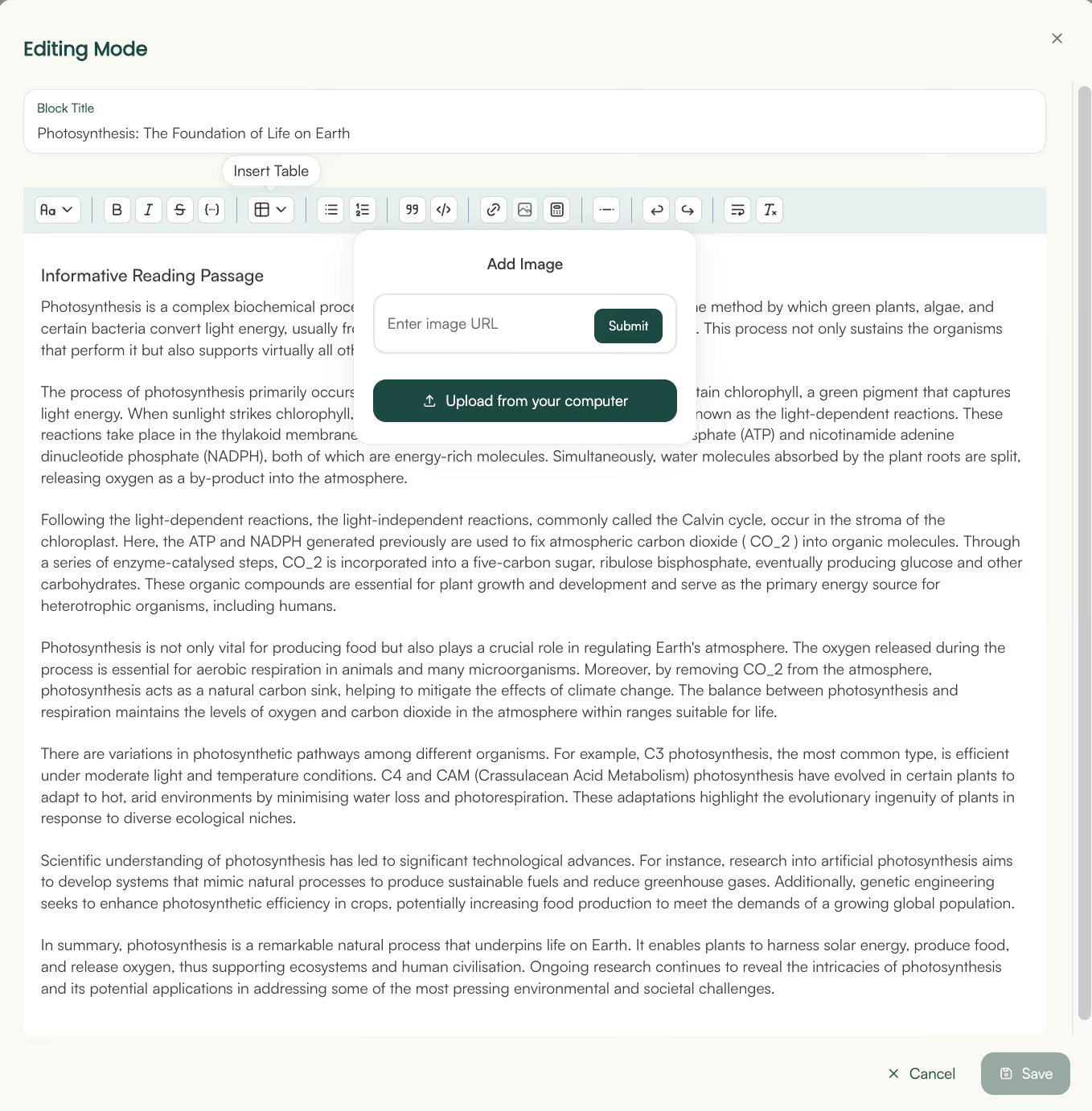
You can also chat with your passage by simply prompting it. For example, you can prompt, “simplify the vocabulary” and the passage will change into a simple tone.

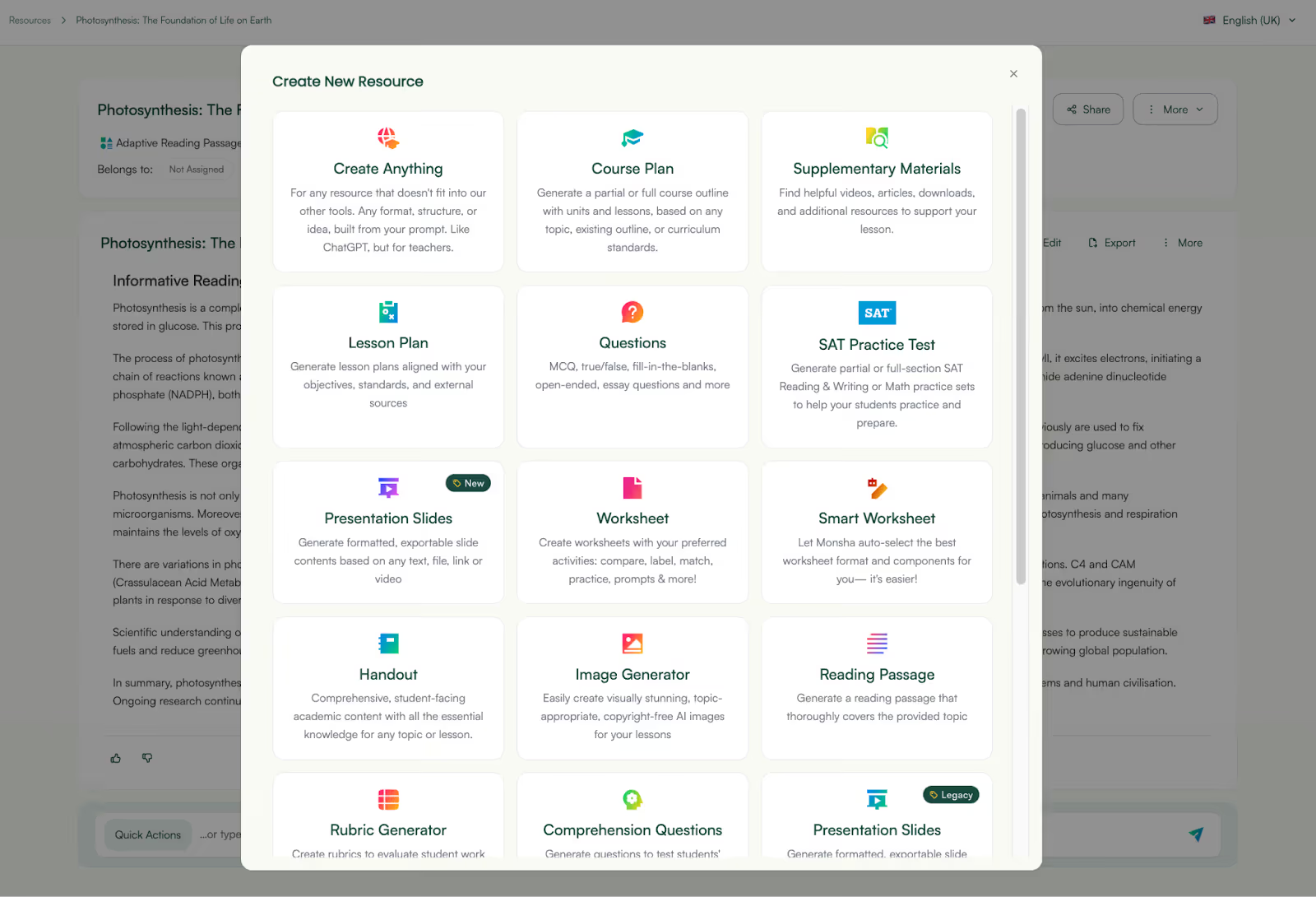
Youtube videos with captions only can be used for resource creation
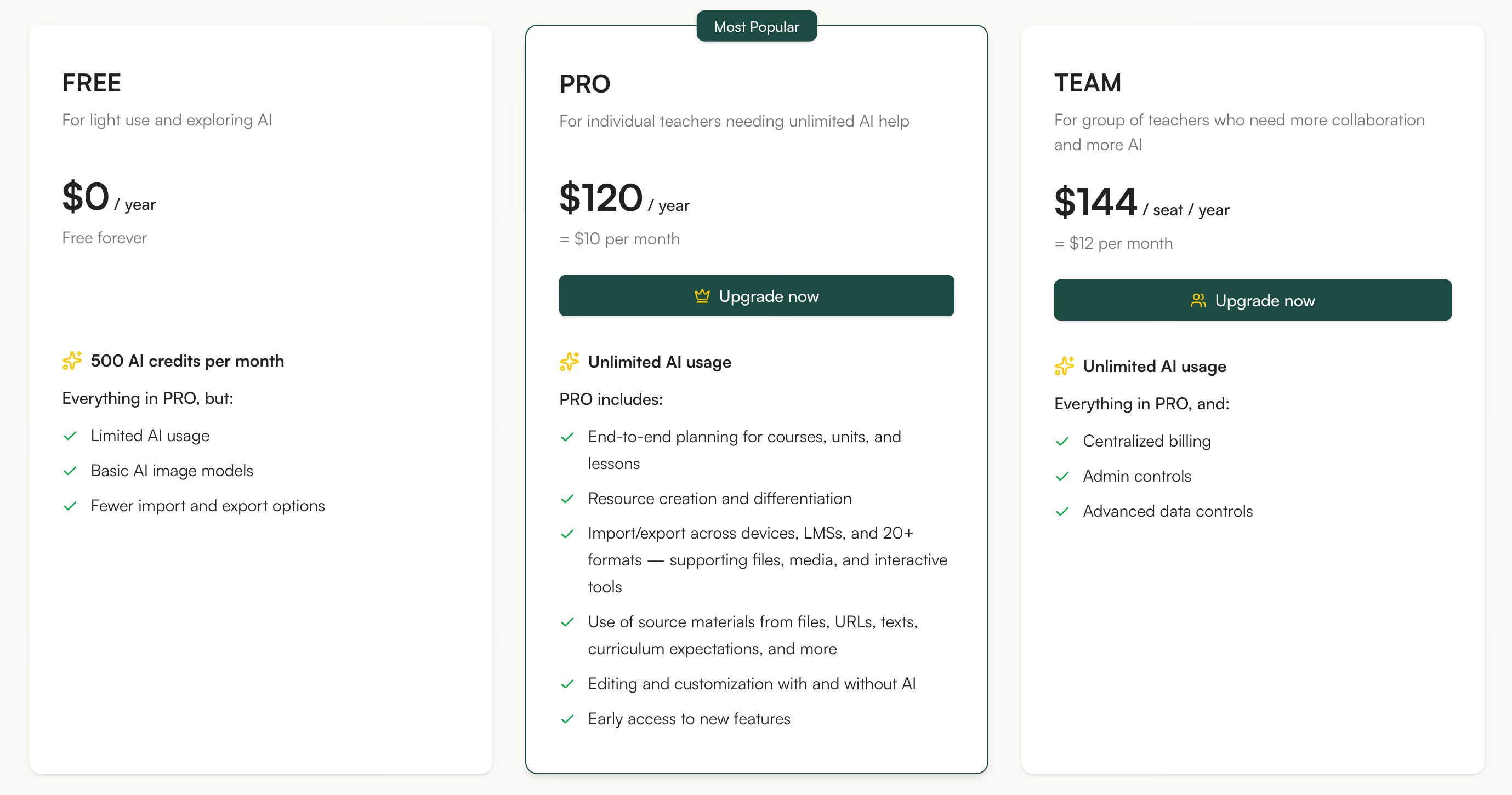
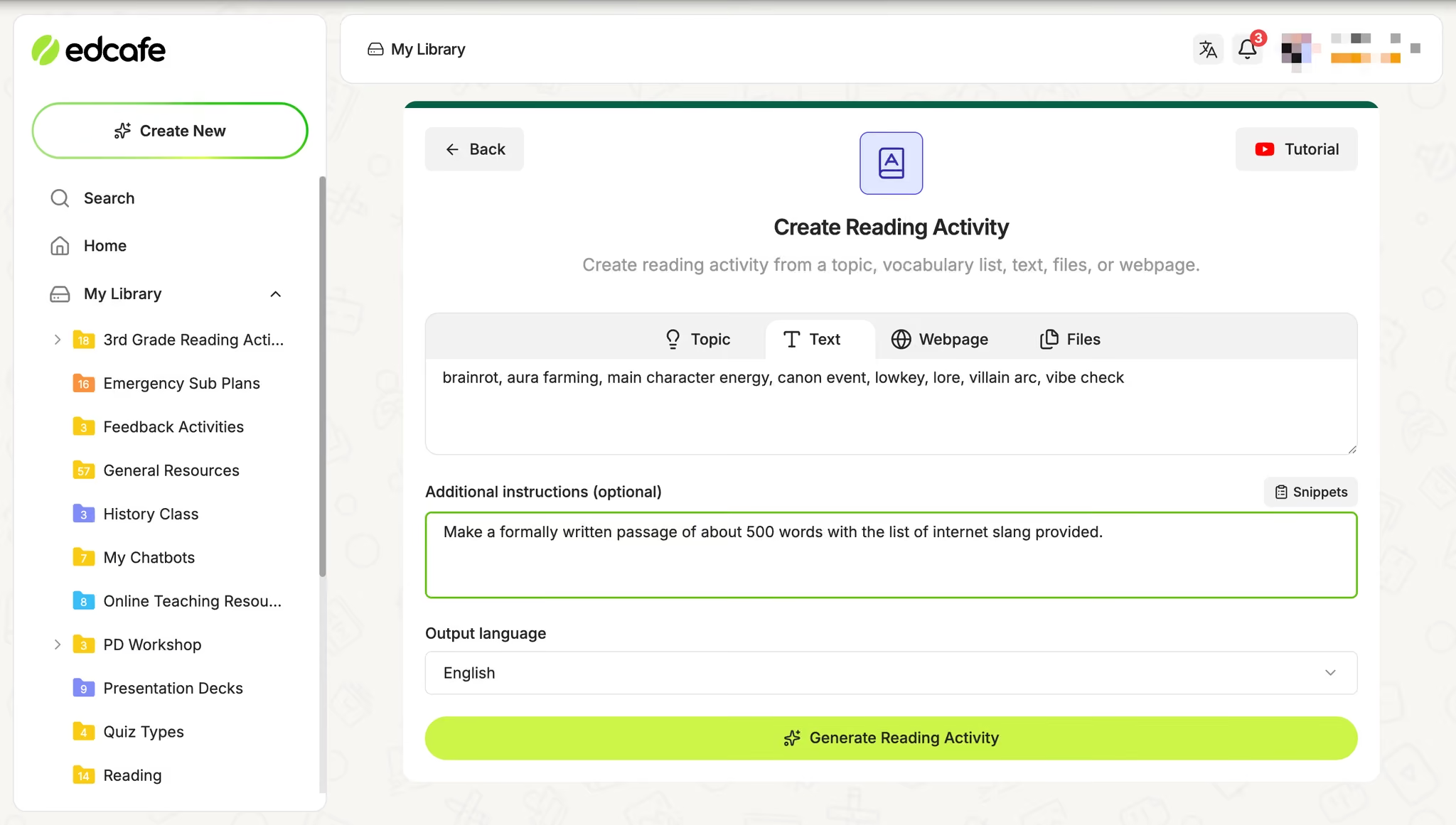
Edcafe AI is a teaching platform built around interactive classroom materials, so one could expect its dedicated reading passage generator is made with student interactivity in mind.
Teachers can generate reading passages from different input sources. From what’s generated, the same passage can grow into a fuller activity with vocab support, comprehension questions, read-aloud audio, all assignable to students.
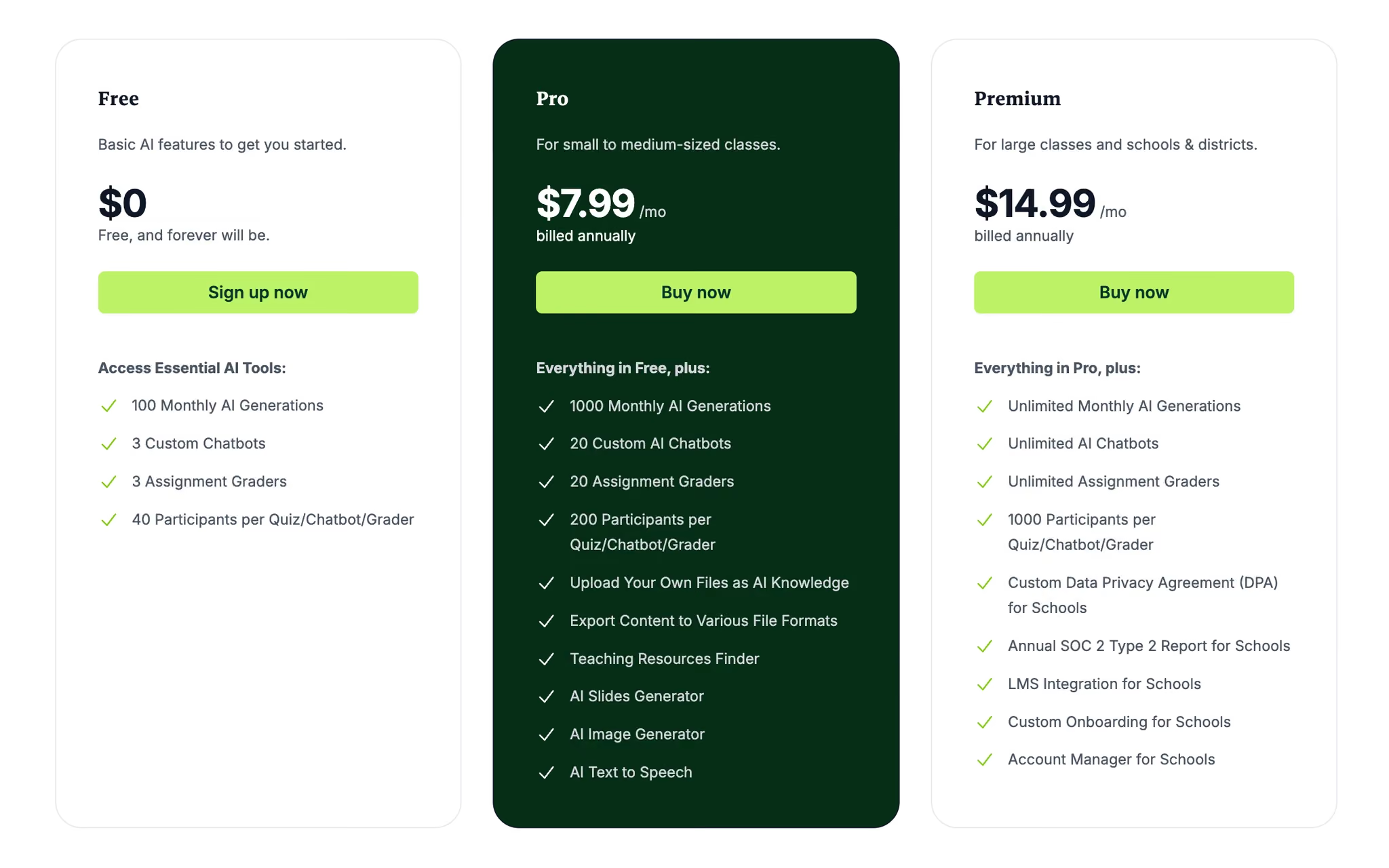
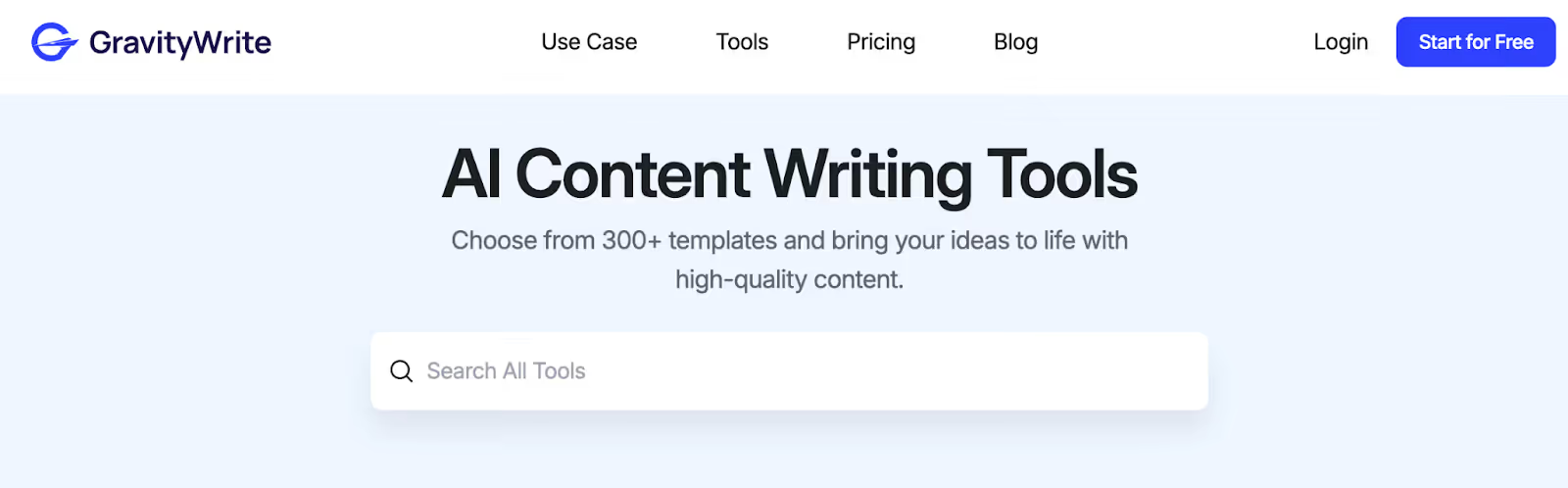
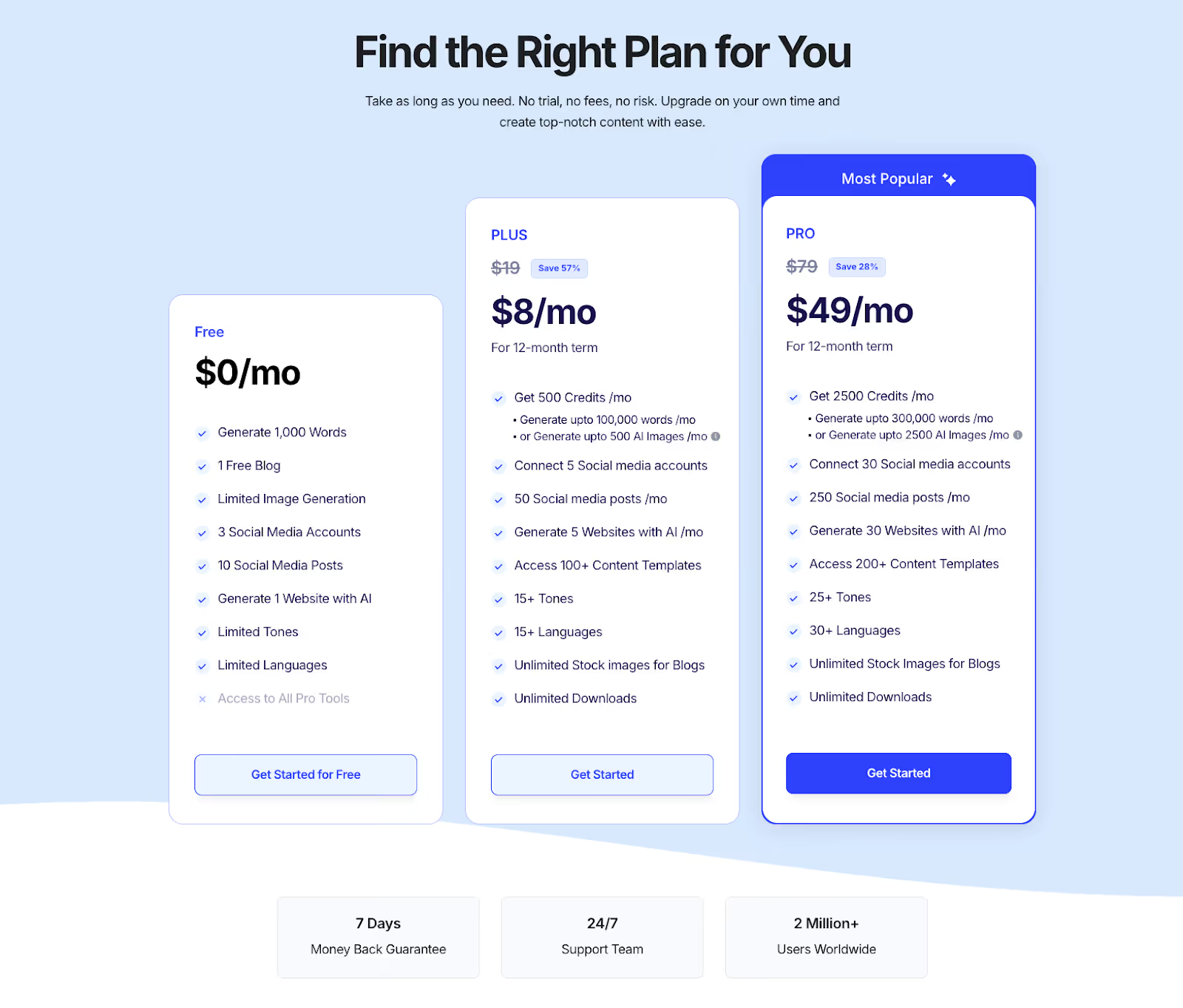
GravityWrite is an AI writing assistant that people also use to create reading passages. It’s a prompt-based writer so you can enter a topic, tone and length and it’ll write a reading passage for you.
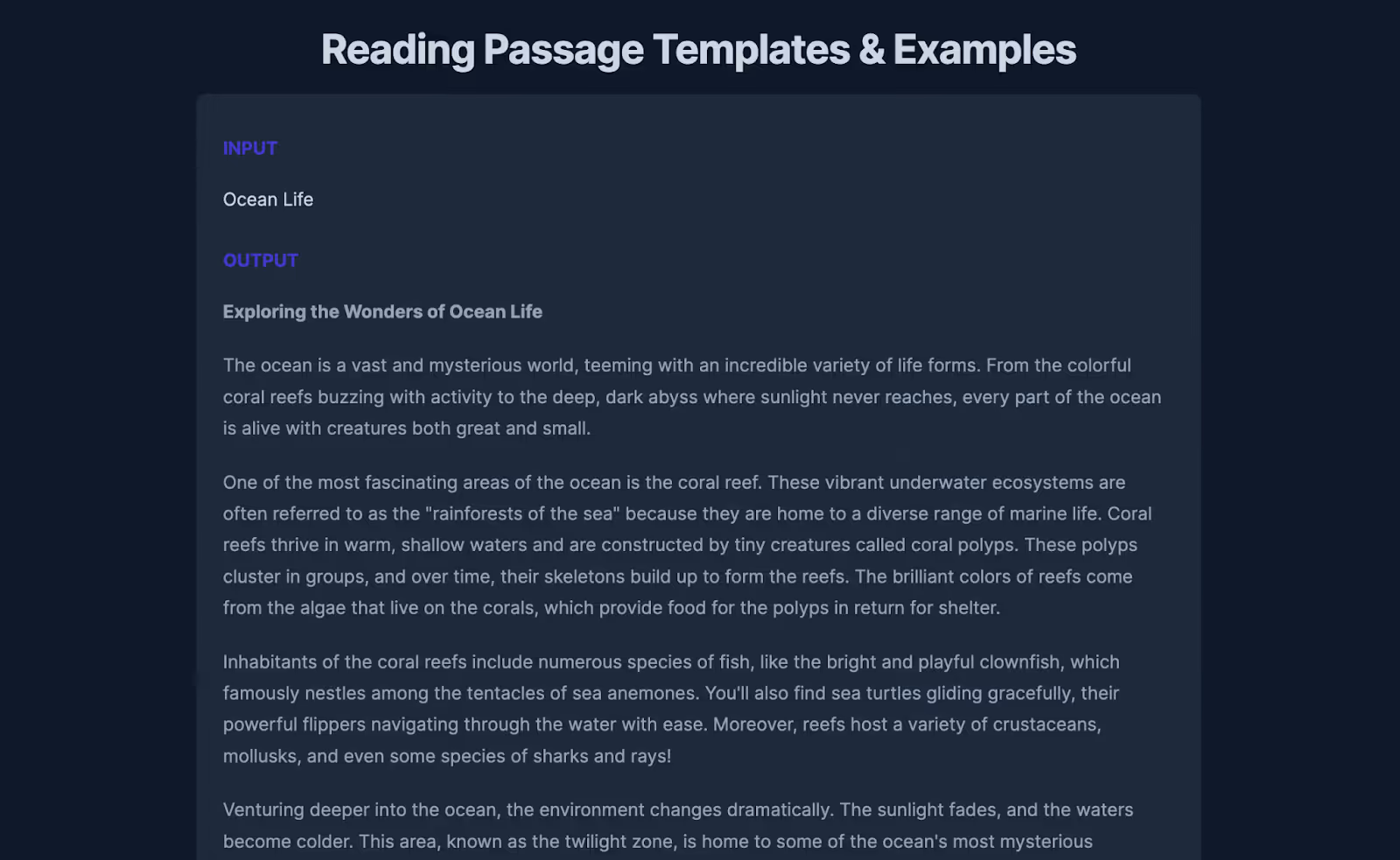
Easy-Peasy AI is a general-purpose AI writing tool that includes a dedicated Reading Passage Generator template. You can generate passages by entering a topic, choosing a grade level, and setting basic parameters like tone and length.
You’d typically use Easy-Peasy AI when you want a quick, standalone reading passage without committing to a full teaching platform or curriculum system.
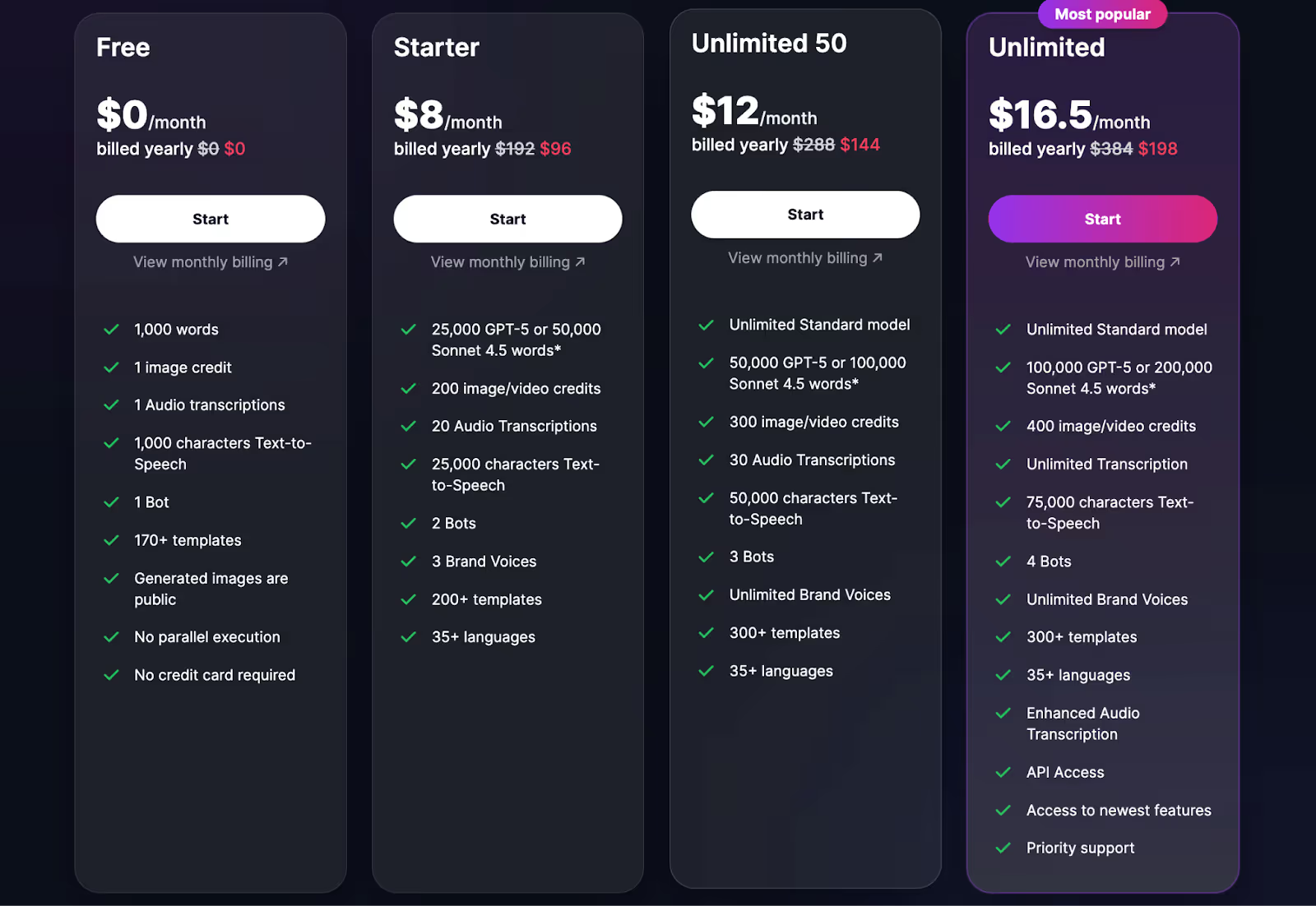
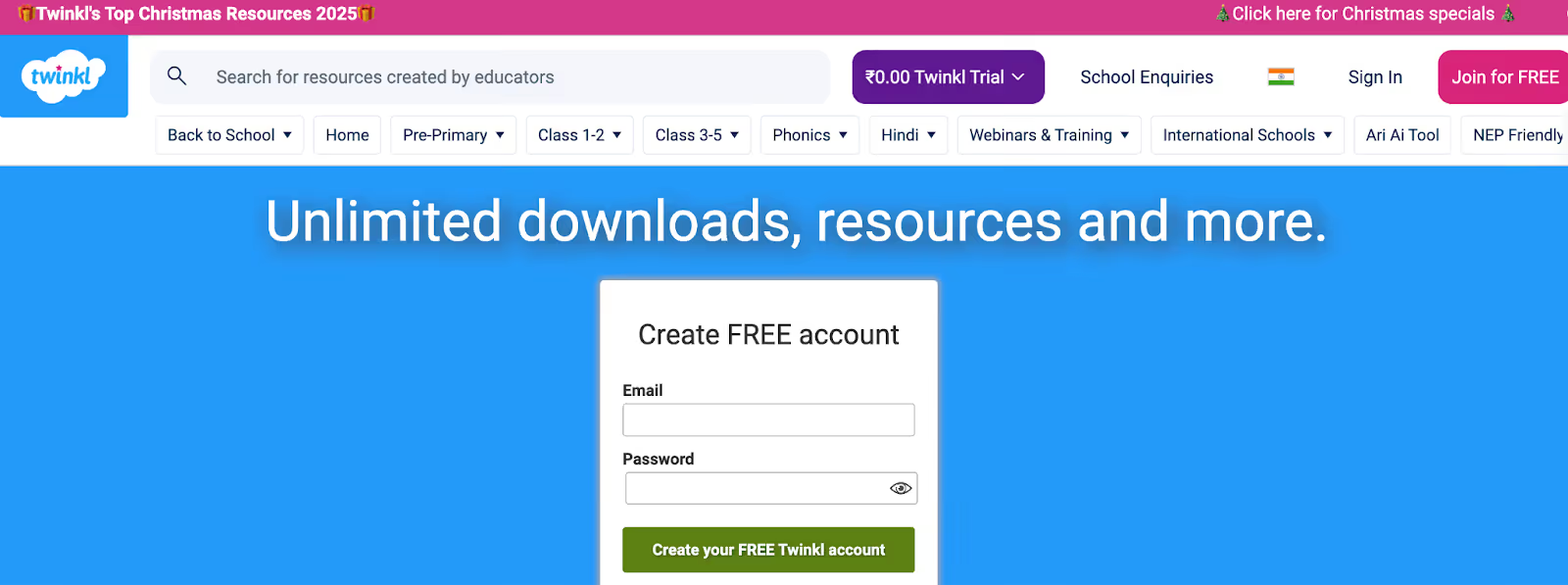
Twinkl’s AI Reading Comprehension Text Generator is built specifically for teachers who already rely on Twinkl’s massive teaching-resource library. It lets you generate custom reading passages based on a topic and grade level, often paired with comprehension questions, so you don’t always have to search through pre-made worksheets.

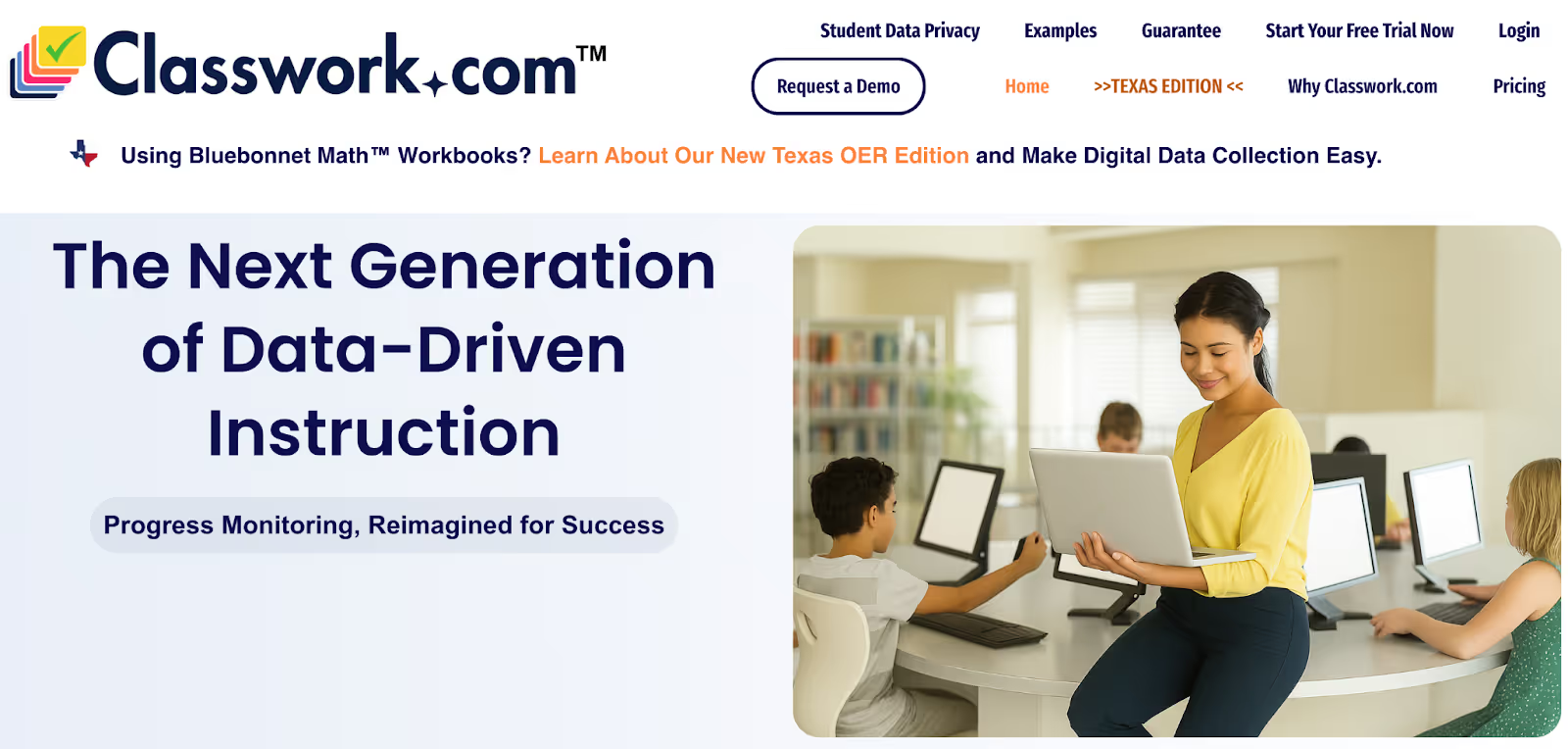
Classwork’s AI tool is designed around student practice and assignments, not content authoring for lesson planning. It lets you generate reading passages that students can read and respond to directly inside the platform.
You’d use Classwork.com if your primary goal is to assign AI-generated reading passages to students for practice or assessment, rather than creating reusable teaching resources.
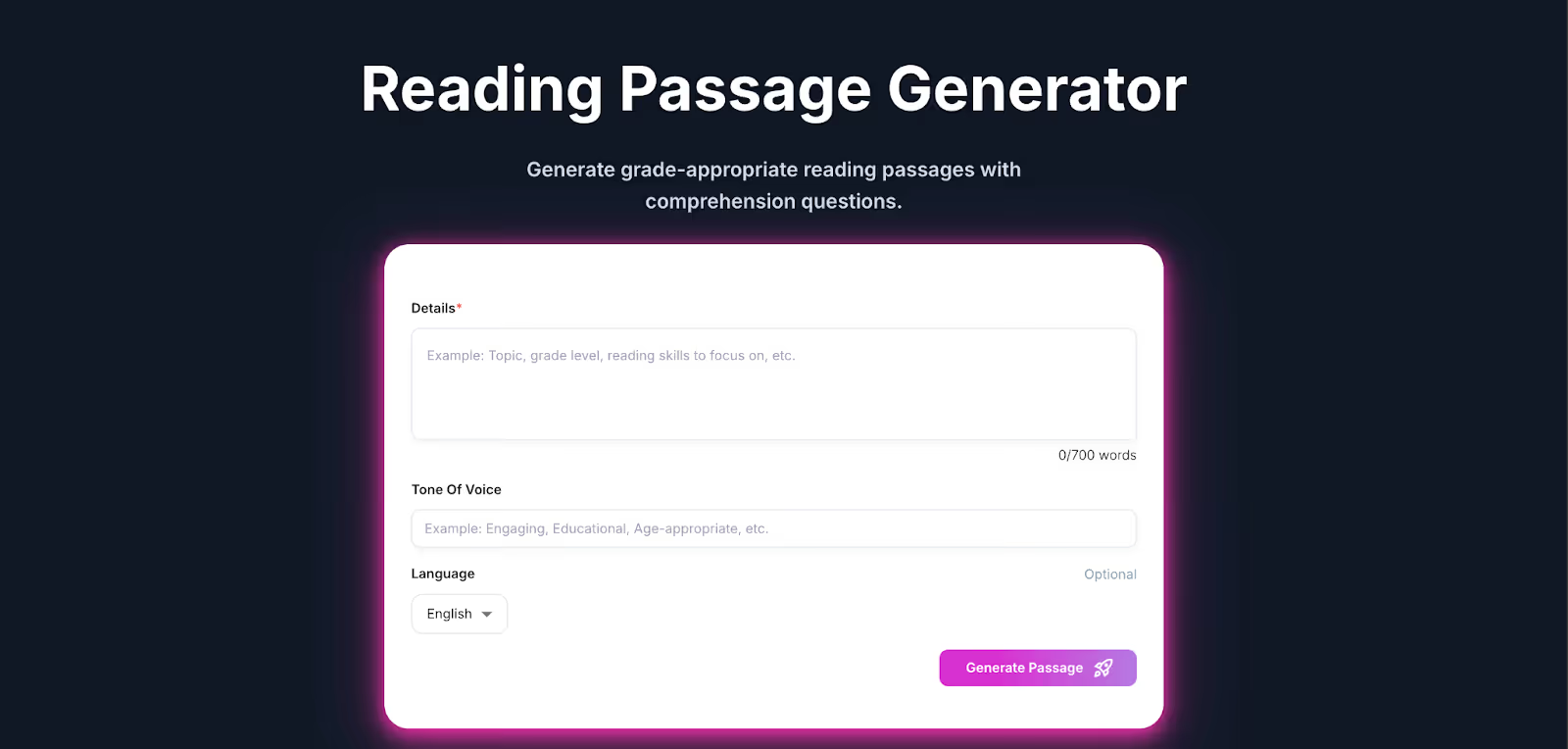
Junia AI is a general AI writing platform that includes a reading passage generator as one of its tools. You can generate passages by entering a topic, choosing a grade level, and adjusting tone or length.
You’d typically use Junia AI if you want a quick AI-generated reading passage without setting up lesson plans, standards, or classroom workflows. It’s more of a writing assistant than a teaching platform.
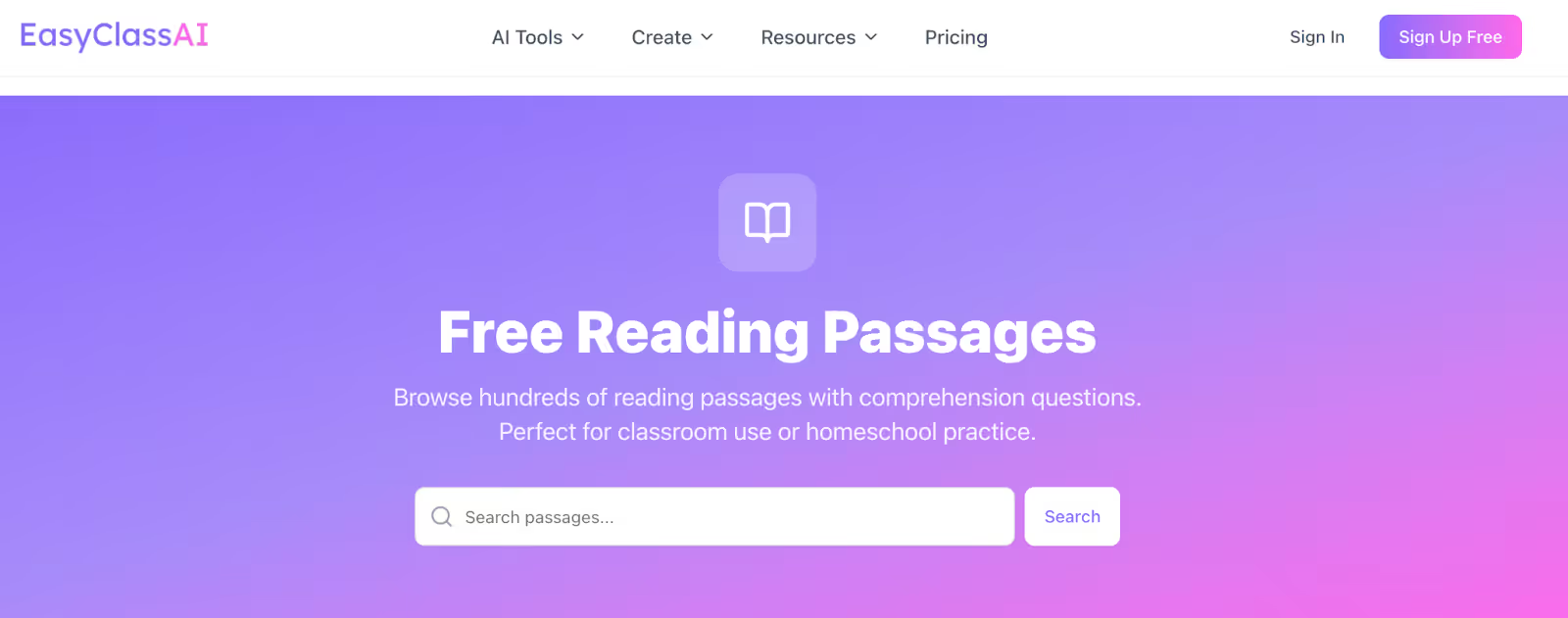
EasyClass offers a free AI reading passage generator aimed at teachers who want quick, simple passages without signing up for a full AI writing platform. You enter a topic, select a grade level, and the tool generates a basic reading passage you can use right away.
You’d usually turn to EasyClass when you want a fast, no-login (or low-friction) way to generate reading passages for practice or short activities.
Other tools stop at generating a reading passage. Monsha goes further by letting you edit it, level it, reuse it, and build worksheets, slides, and activities from the same passage.
Other tools stop at text.
Monsha lets you reuse the same passage to create worksheets, slides, handouts, and rubrics, so you’re not rebuilding materials for every class or activity.
Most tools guess the level.
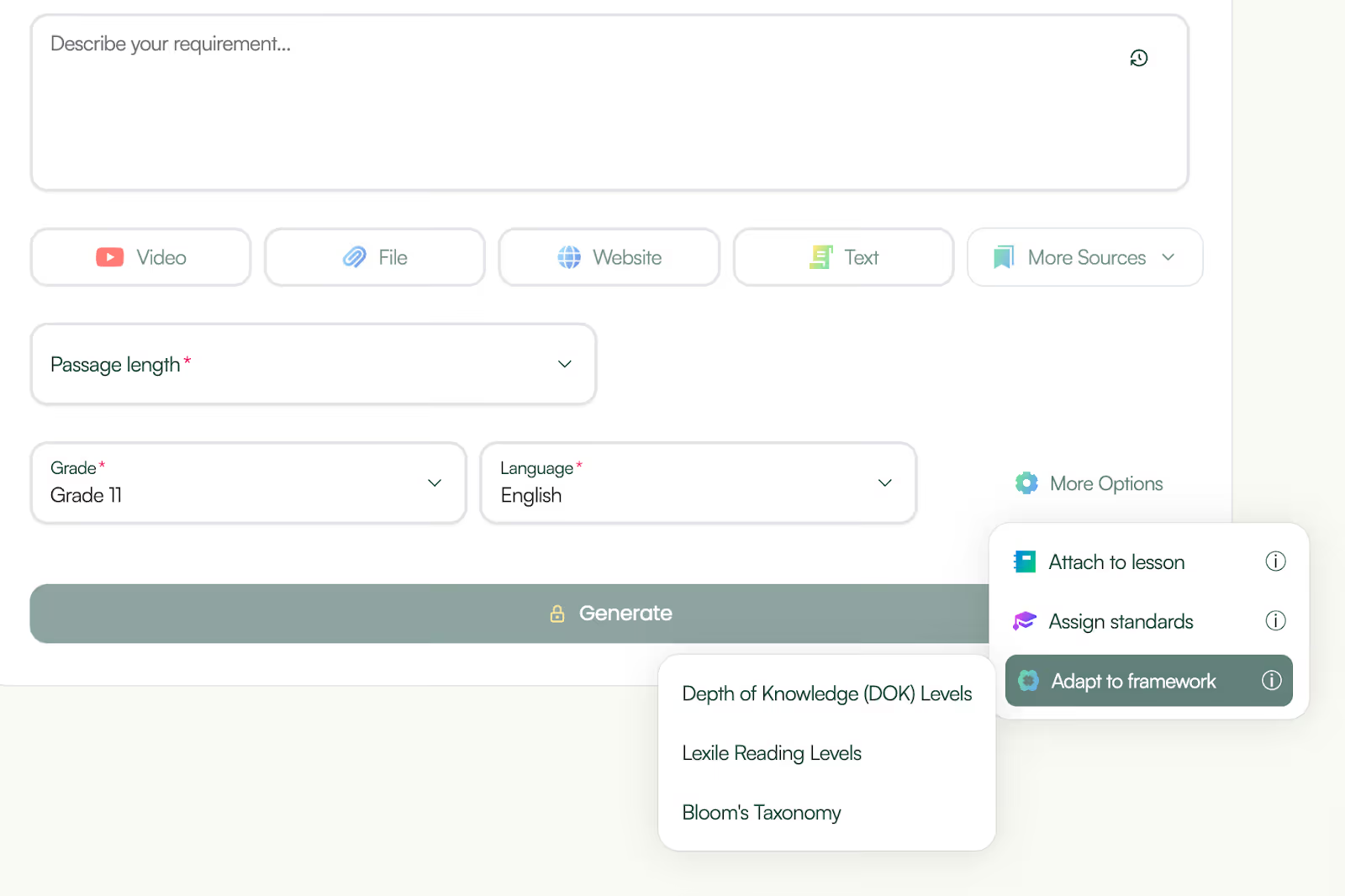
With Monsha, you can deliberately adjust Lexile difficulty, Bloom’s depth, and DOK, then generate multiple versions of the same passage for different learners.
Instead of writing prompts from scratch, you can generate passages directly from your topics, documents, URLs, YouTube videos, or existing Monsha resources, so reading supports what you’re already teaching.
Monsha lets you attach passages to courses, units, and lessons, making them reusable across weeks, terms, and even school years, not one-off activities you lose track of.
You don’t have to regenerate from scratch. You can edit passages or chat with them (for example, “simplify the vocabulary” or “make this suitable for struggling readers”) and keep what already works.
After reviewing all these AI reading passage generators, one thing becomes very clear:
Generating a reading passage is not the hard part anymore.
Almost every tool on this list can give you a block of text in seconds. The real difference shows up after the passage is created, when you try to use it across classes, adjust it for different readers, or turn it into something you can actually teach with.
Most tools stop at generation. Monsha doesn’t.
Monsha is built for teachers who create reading materials repeatedly, not occasionally. It’s the only tool here that lets you take one reading passage and:
If you’re only experimenting with AI, simpler tools may be enough.
But if reading passages is a regular part of your teaching and you’re tired of rebuilding the same materials again and again, Monsha is the clear choice.
It’s not just the best AI reading passage generator on this list, it’s the only one designed to fit how teaching actually works.
The best AI reading passage generator for teachers is one that helps you do more than generate text. While many tools can create a basic passage, Monsha stands out because it allows you to differentiate reading levels, edit passages, reuse them across lessons, and turn them into worksheets, presentations, and other classroom resources. This makes it far more practical for daily teaching.
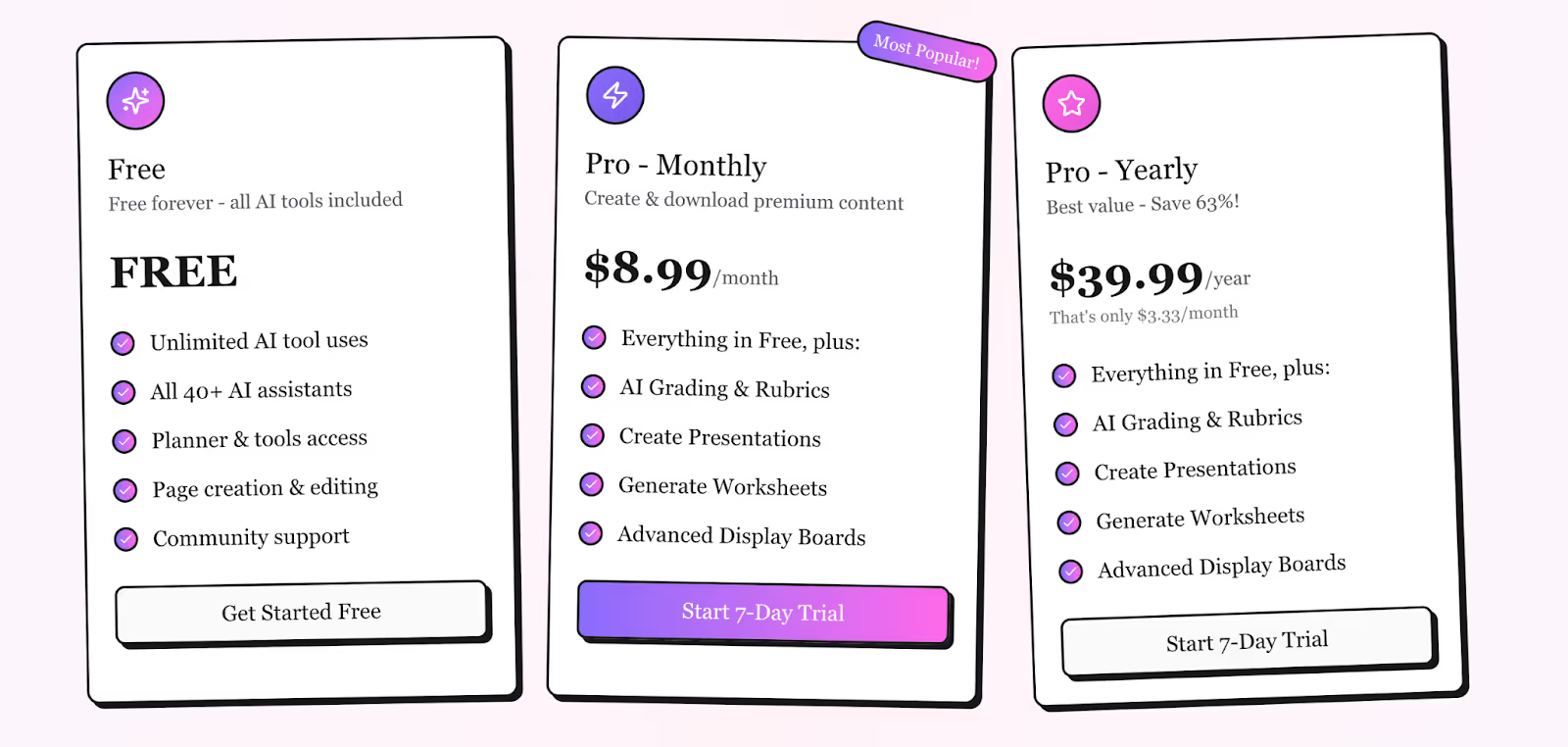
Yes, there are several AI reading passages free tools available. Many offer limited free usage or basic passage generation. Monsha offers a forever free plan that lets teachers create AI reading passages at no cost, making it a good option if you want to try an AI passage generator before committing to a paid plan.
Some AI reading passage generators offer basic grade-level selection, but true differentiation is limited in most tools. Advanced tools like Monsha allow you to adjust reading difficulty, regenerate the same passage at multiple levels, and simplify or expand vocabulary while keeping the topic consistent. This makes differentiation more realistic in mixed-ability classrooms.
Yes, many tools work as an AI reading comprehension generator by providing passages that can be used for comprehension activities. However, most tools only generate the passage itself. Teacher-focused platforms like Monsha let you turn a reading passage into worksheets and other comprehension materials, reducing the need to create follow-up activities manually.
Most AI passage generators rely only on prompts or topics. Some tools allow you to generate reading passages using your own content, such as documents, URLs, or videos. This is especially useful when you want reading passages that align closely with what you are already teaching in class.
Many AI passage generators do not include curriculum or standards alignment. If alignment is important, look for tools that allow you to connect reading passages to lessons, units, or standards. This helps ensure that AI-generated reading passages support your learning objectives rather than existing as standalone activities.
Most AI reading passage generators create original content, which helps reduce copyright concerns. Classroom safety also depends on tone, vocabulary, and age appropriateness. Education-focused AI tools generally produce more classroom-appropriate reading passages than general-purpose AI writing tools.
AI reading passage generators can save time, but only if the passages are reusable. While many tools save time during initial creation, teachers often spend extra time editing, formatting, and adapting passages. Tools that support editing, differentiation, and exporting help reduce prep time across multiple lessons, not just once.
An AI passage generator focuses on creating text. A teaching platform helps you use that text across lessons, activities, and classrooms. If you generate reading passages occasionally, a simple AI tool may be enough. If reading passages are a regular part of your teaching, a platform like Monsha helps reduce repeated work by supporting reuse and differentiation.
Yes, Monsha works for both primary and secondary teachers. You can control reading difficulty, tone, and depth, making it suitable for early reading practice as well as more advanced comprehension and analysis tasks.




AI in Education Content
Pooja Uniyal works closely with teachers and schools to understand and guide how AI is being used in real classrooms today. Her work at Monsha focuses on capturing practical teaching workflows and turning them into clear, usable guidance for educators exploring AI in their daily planning.
Join thousands of educators who use Monsha to plan courses, design units, build lessons, and create classroom-ready materials faster. Monsha brings AI-powered curriculum planning and resource creation into a simple workflow for teachers and schools.
Get started for free

.avif)
.avif)
.avif)