Looking for the best free AI IEP goal generators? This guide reviews the top tools teachers use to create SMART goals, PLAAFP-aligned drafts, and complete IEP sections in minutes.
.avif)
"My kiddo is constantly disrupting the classroom management system the teacher has in place, and I feel horrible about it…"
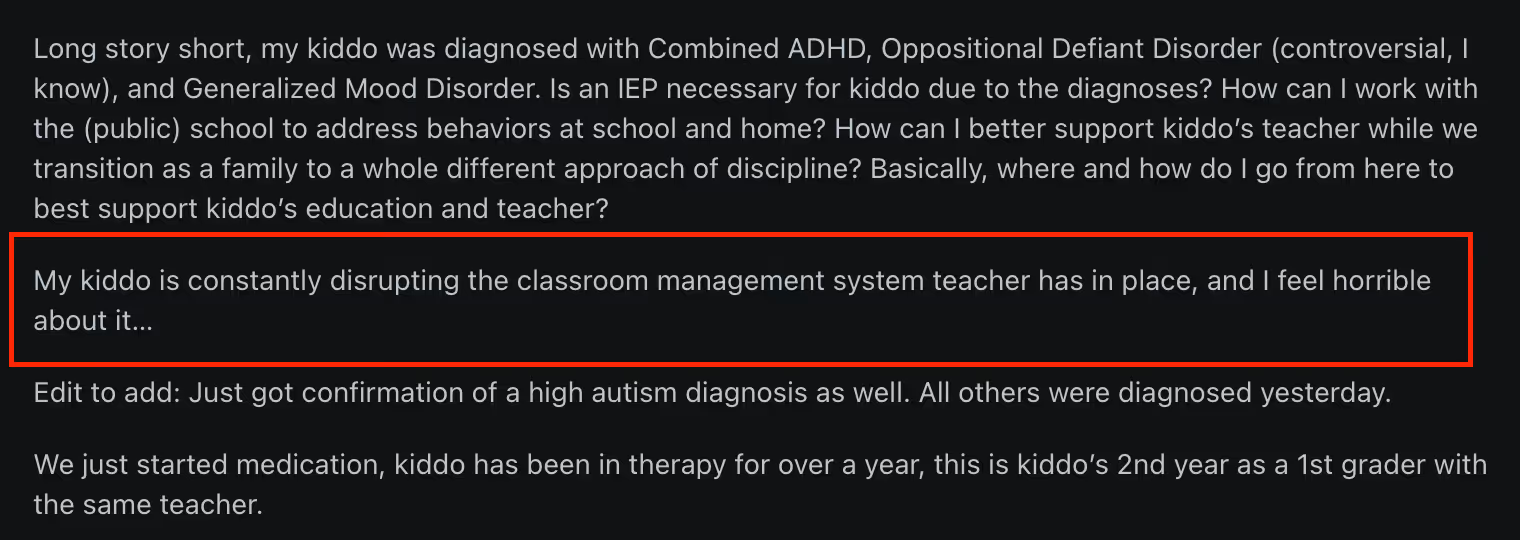
This is a real post by a parent on Reddit. Unstructured IEP goal creation can overwhelm both teachers and parents.
You have to do a lot of manual, repetitive tasks that pull you away from real student interaction. You have to write SMART goals from scratch, format PLAAFP statements, update accommodations across multiple IEPs, document progress in measurable terms, and maintain consistency across a caseload.
But you can automate all these tasks with AI IEP goal generators.
These IEP goal generators don’t replace decision-making, they automate the parts of IEP writing that follow predictable patterns, so you can redirect your time toward real communication, and support.
In this guide, I’ll break down the best free AI IEP goal generators that teachers are using today so you can also give automation a shot.
An AI IEP goal generator is an online IEP goal creator that takes your baseline data and turns it into a ready-to-edit SMART goal draft, instead of you having to build the structure from scratch.
For example, if your baseline says a student reads 52 words per minute with 70% accuracy, the AI IEP goal generator might turn that into something like:
“By May 2025, given a grade-level passage, the student will read aloud at 85 words per minute with at least 95% accuracy in three out of four trials.”
But here’s what actually matters (and what most tools won’t admit):
There’s a huge difference between a tool that just rewrites your sentence in “formal IEP language and a tool that understands the structure of a compliant SMART goal, the role of PLAAFP, the required measurable components, and the link between instruction, goal and monitoring.
A proper AI IEP generator should:
And yes, while some tools only generate the goal, others generate PLAAFP, accommodations, progress monitoring, and services too.
The distinction matters, and you’ll feel it immediately when you use them.
AI don't replace your expertise, it just takes care of the mundane tasks:
Every special-ed teacher knows “IEP week.” Your desk is covered in progress data, drafts, and half-written goals. You’re jumping between subjects, grade levels, and behaviors and trying to make every goal measurable.
By the fifth IEP, your brain hits a wall. You start repeating sentence stems, tweaking criteria endlessly, and spending more time fixing phrasing than addressing student needs.
How AI IEP goal generators help?
A free AI IEP goal generator gives you a complete SMART goal structure the moment you enter the baseline. Instead of starting from scratch, you start from a solid draft and personalize it. This is exactly where AI IEP generators save teachers hours, especially during high-pressure weeks.
Teachers know what needs to be measured, but writing a fully compliant, measurable IEP goal — with condition, criteria, and timeframe — takes time and precision.
How AI IEP generators help?
A good AI IEP goal creator automatically structures the goal with measurable verbs, specific conditions, and clear criteria. Instead of getting vague statements like “will improve comprehension,” you get a fully-formed SMART goal that explains what the student will do, under what conditions, and how their progress will be measured.
This is the real functional advantage of using a smart IEP goal generator, it handles the structure so you can focus on whether the goal truly fits the student.
It’s common to write the PLAAFP first, draft the goals later, and then realize the alignment between the two isn’t as strong as it needs to be.
Ensuring that the PLAAFP → need → goal chain is tight usually requires a lot of re-reading, rewriting, and adjusting language.
How AI IEP generators help?
When you enter your PLAAFP, tools built as AI IEP writers analyze what you wrote and suggest goals that directly match the needs you identified. The result is cleaner, automatically aligned language that reduces back-and-forth edits and keeps the IEP compliant.
Each domain has its own language and measurable components. Switching context repeatedly slows you down. Your mental energy goes into remembering phrasing rules instead of personalizing goals.
How AI IEP generators help:
Whether you need:
AI adapts instantly. It shifts formats based on the domain you select and keeps the measurable components consistent.
Most special-ed programs don’t spend enough time teaching PLAAFP writing, SMART goal formatting, or progress-monitoring language. New teachers understand the student’s needs but struggle with how to phrase them in IEP-ready language.
How AI IEP generators help?
AI provides instant models of well-written, compliant goals across all areas.
Over time, teachers absorb these structures and develop stronger IEP-writing skills, especially when using tools designed as IEP goal creators.

Now that we’ve established the importance of AI IEP generators, let’s see the best options available in the market.
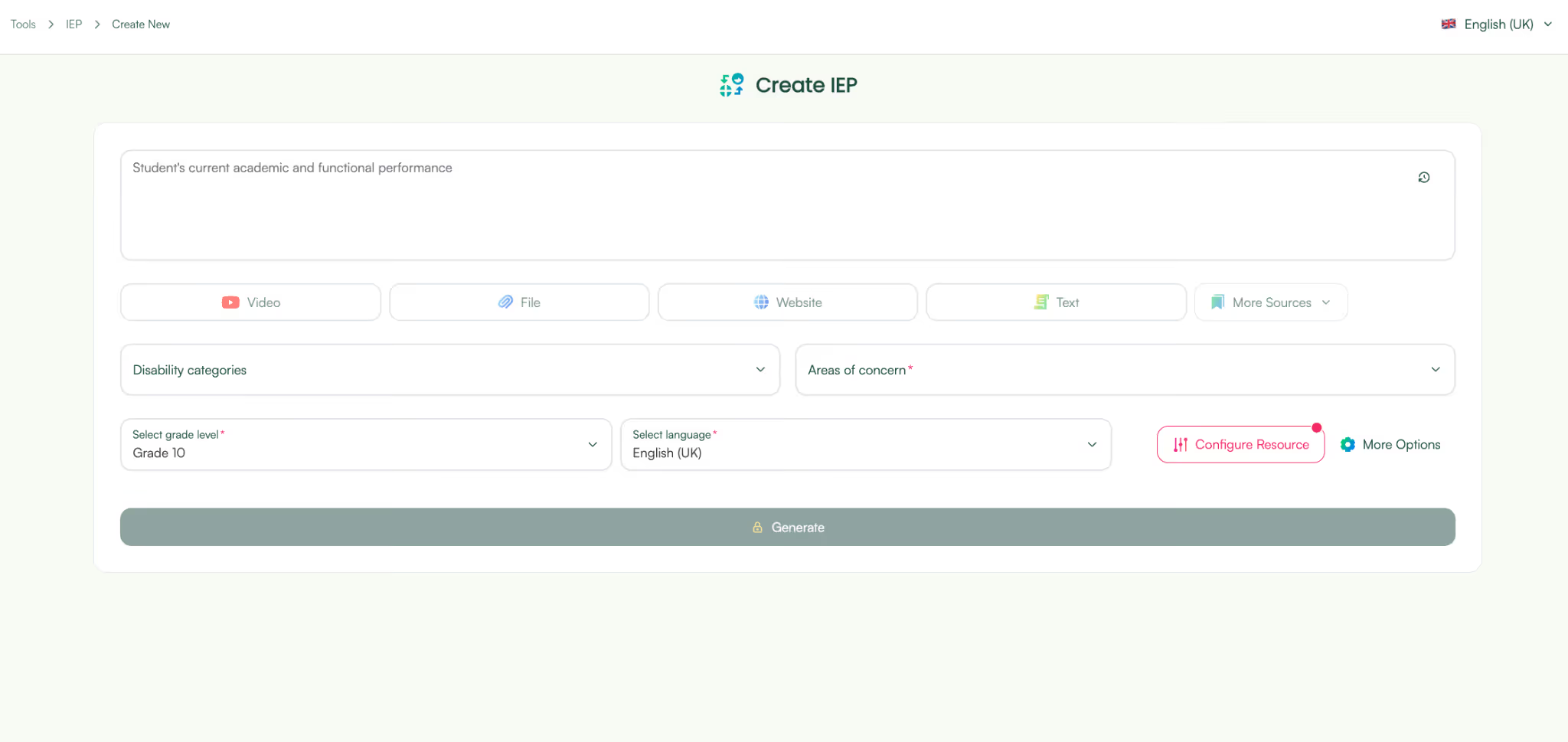
Monsha’s AI IEP Goals Generator is one of the only tools that creates full IDEA-compliant IEP drafts from start to finish. Instead of giving you generic goal statements like most AI IEP goal generators, Monsha behaves like a complete AI IEP writer.
I was able to generate PLAAFP, SMART goals, accommodations, services, progress monitoring, and even transition plans when needed. You can upload previous IEPs, assessments, observation notes, or external links, and the tool uses those sources to create an individualized draft tailored to the student.
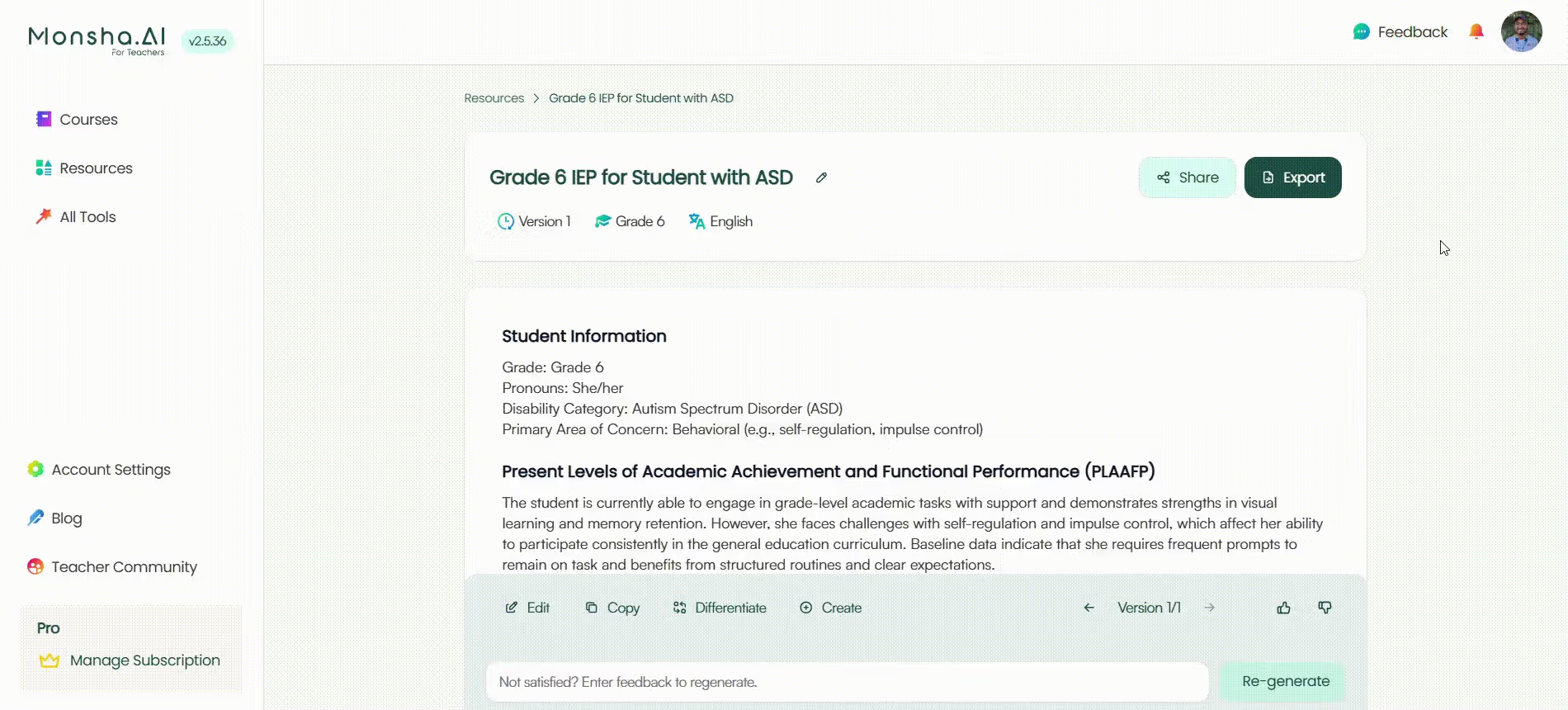
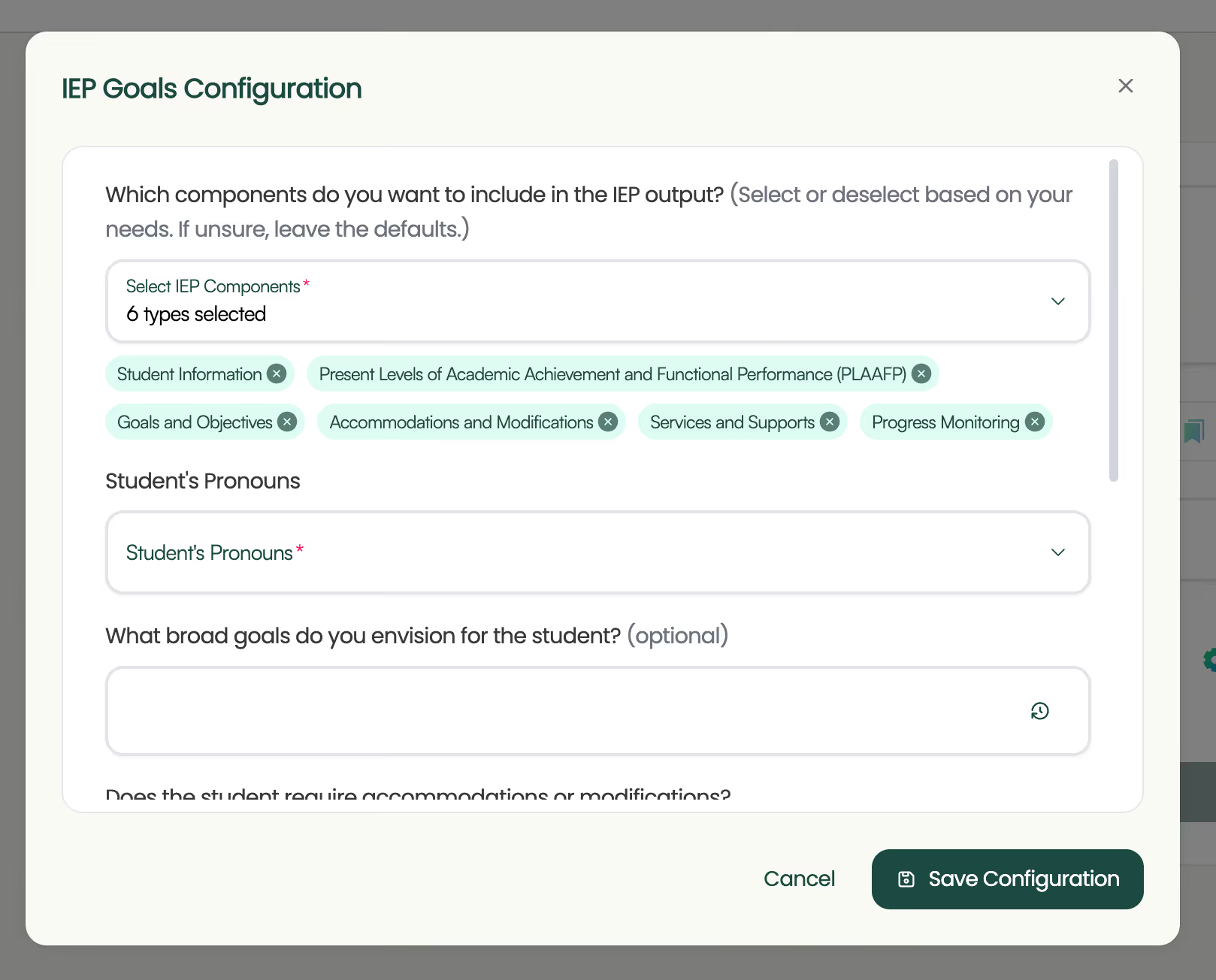

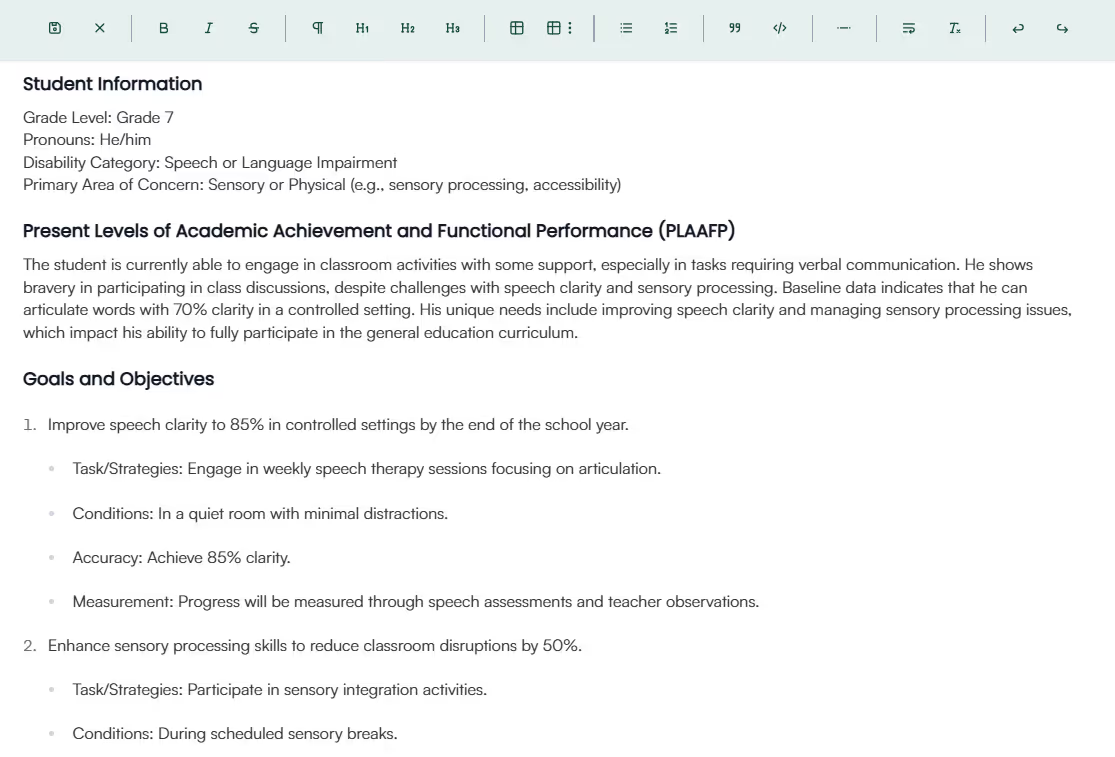
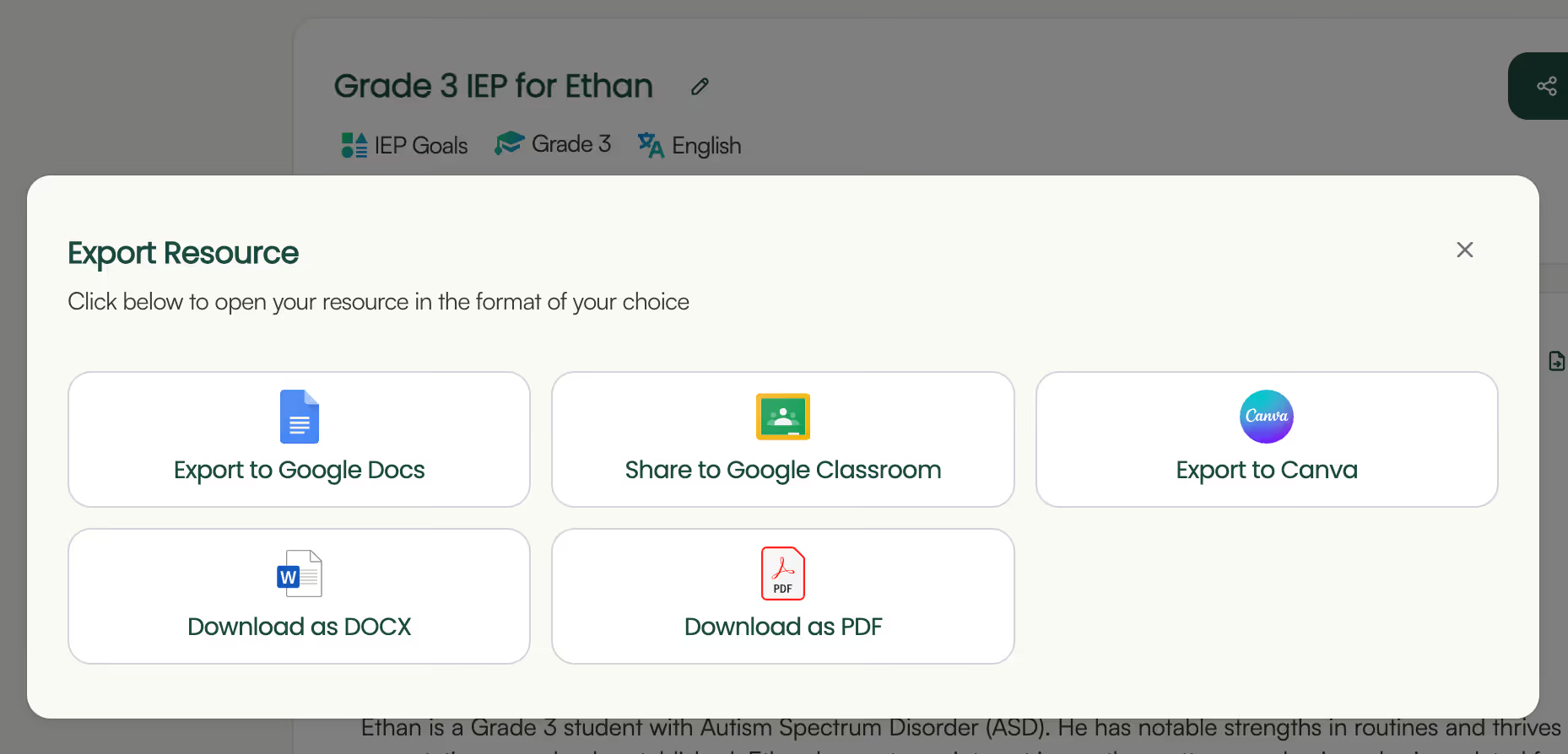
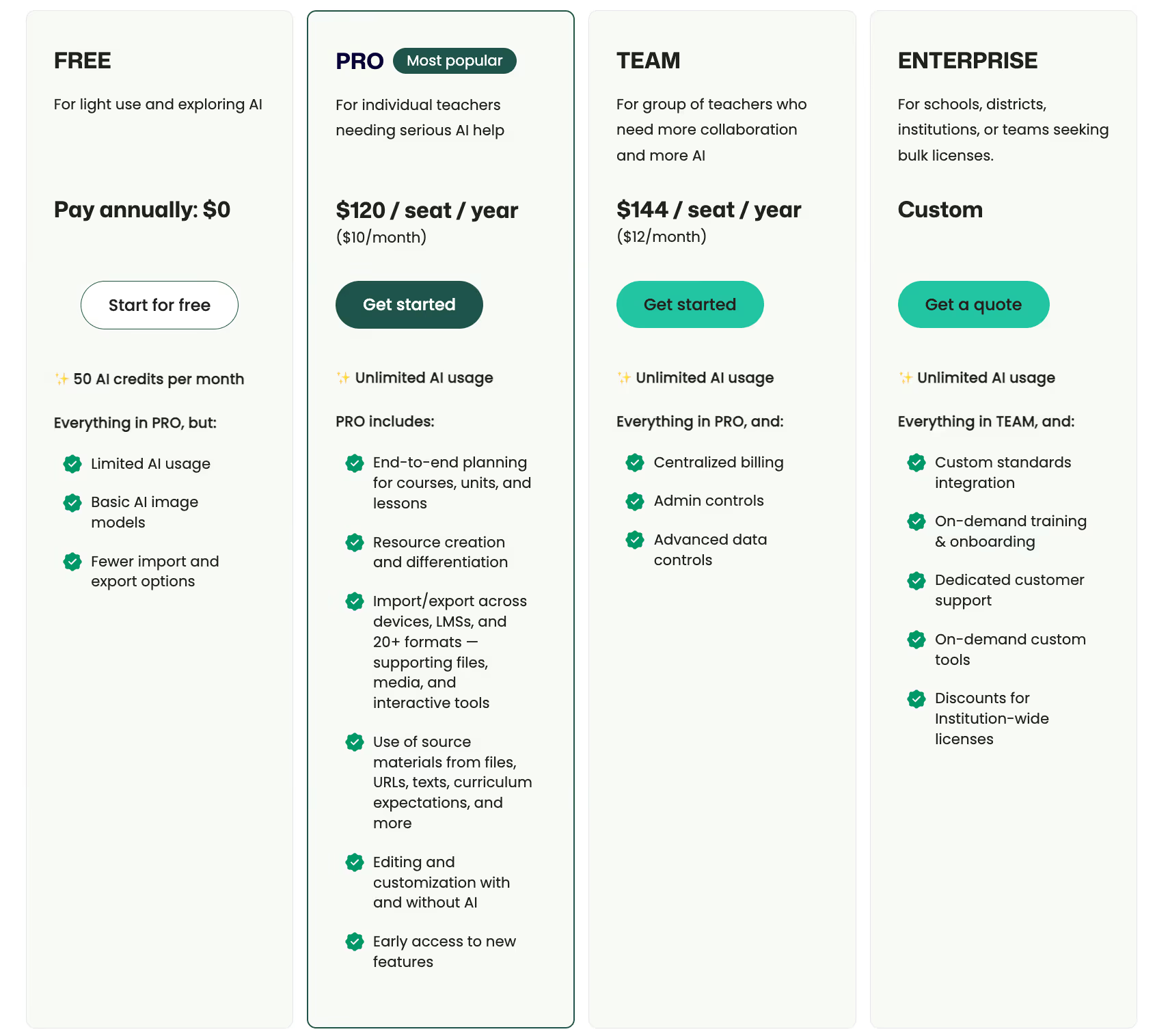
Monsha is the best AI IEP generator for special education teachers looking for the most complete AI IEP goal generator. It’s ideal for heavy caseloads, complex needs, or anyone who needs accuracy and speed without sacrificing compliance.
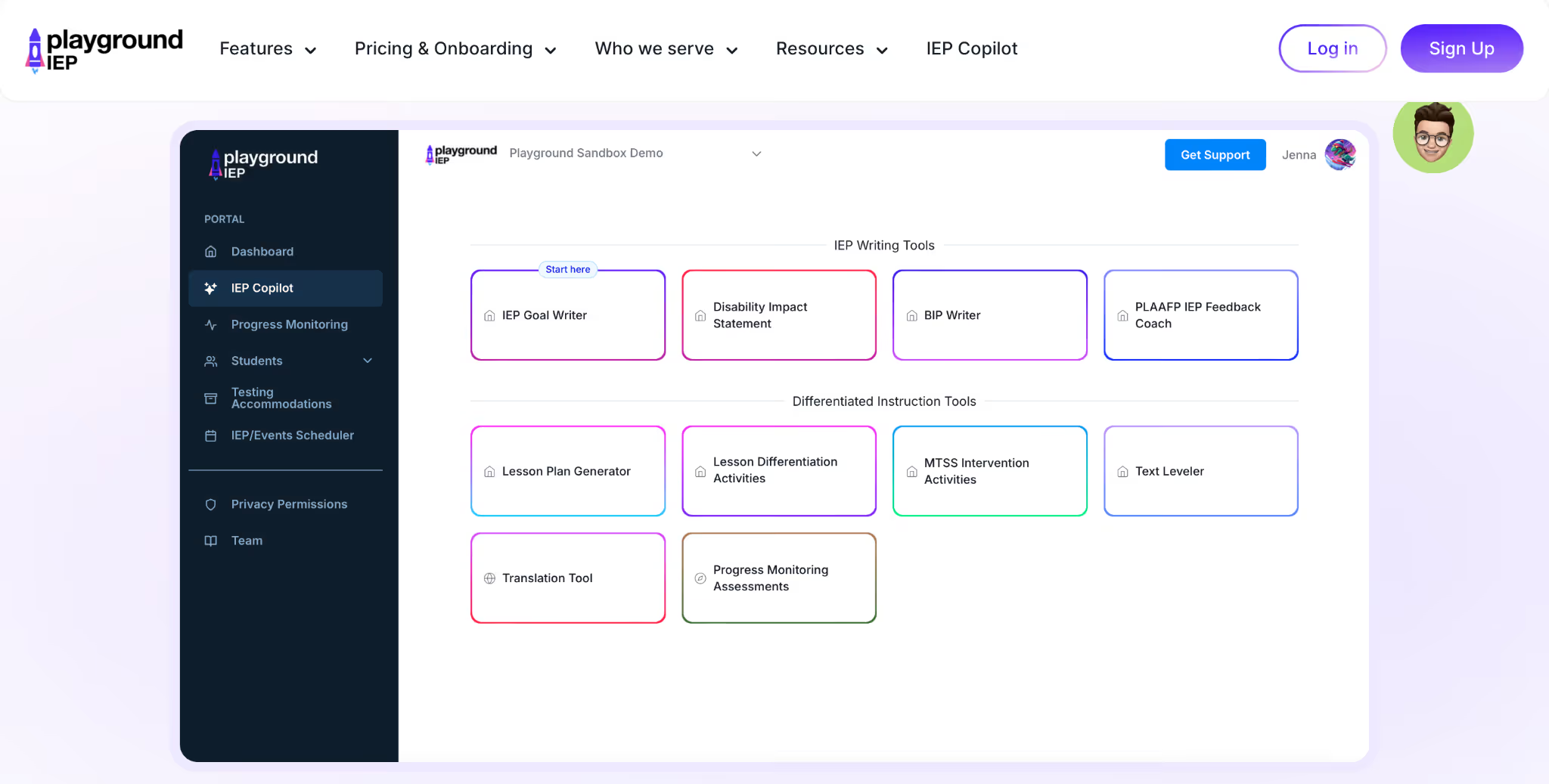
PlaygroundIEP’s IEP CoPilot is built for speed. If you’ve ever had five IEPs due the same week, you know that half the job is simply getting a first draft done. That’s exactly where IEP CoPilot shines as one of the best AI IEP goal generators free options available.
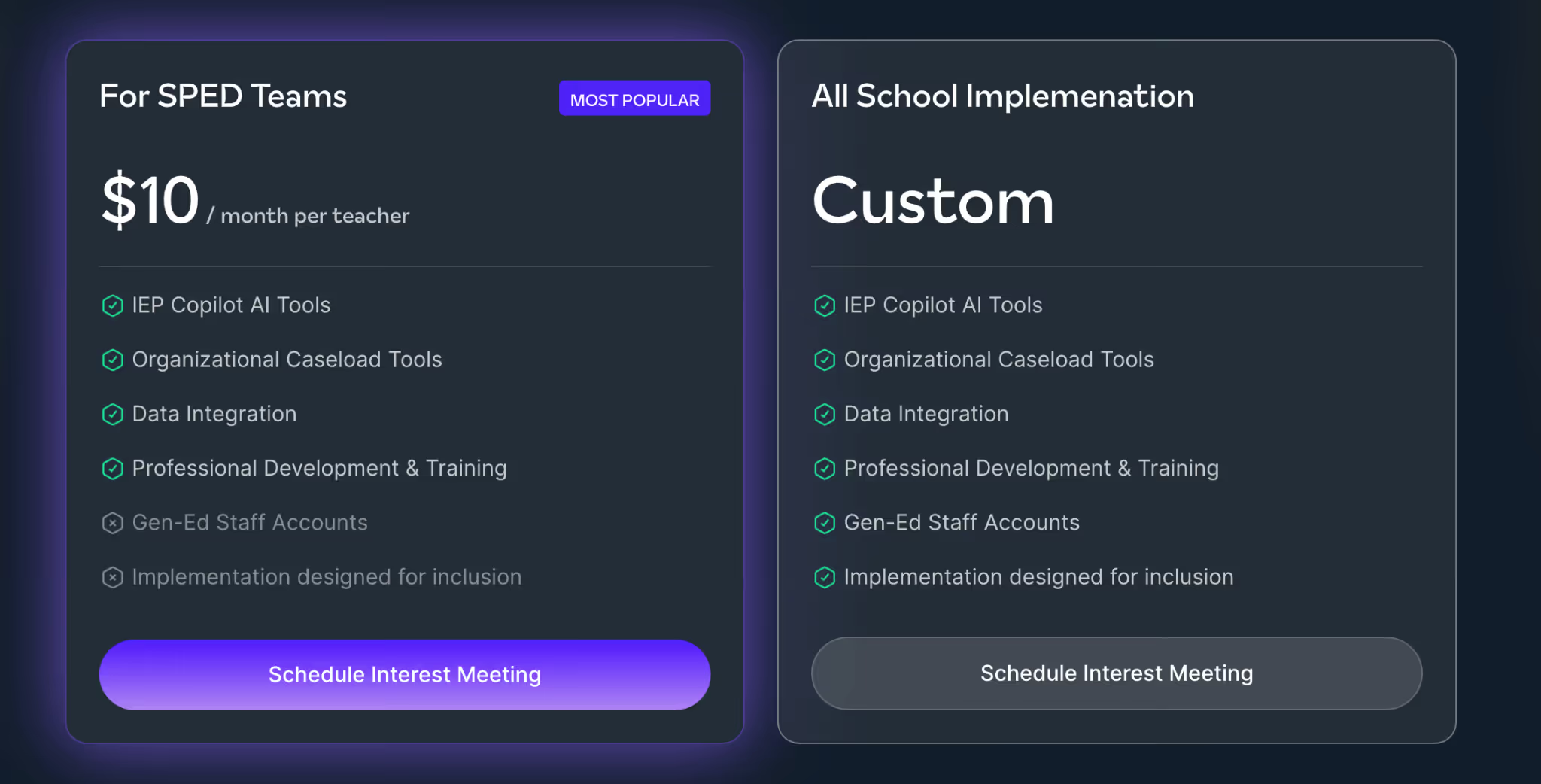
Teachers who need a fast AI IEP writer to handle multiple deadlines without burning out.
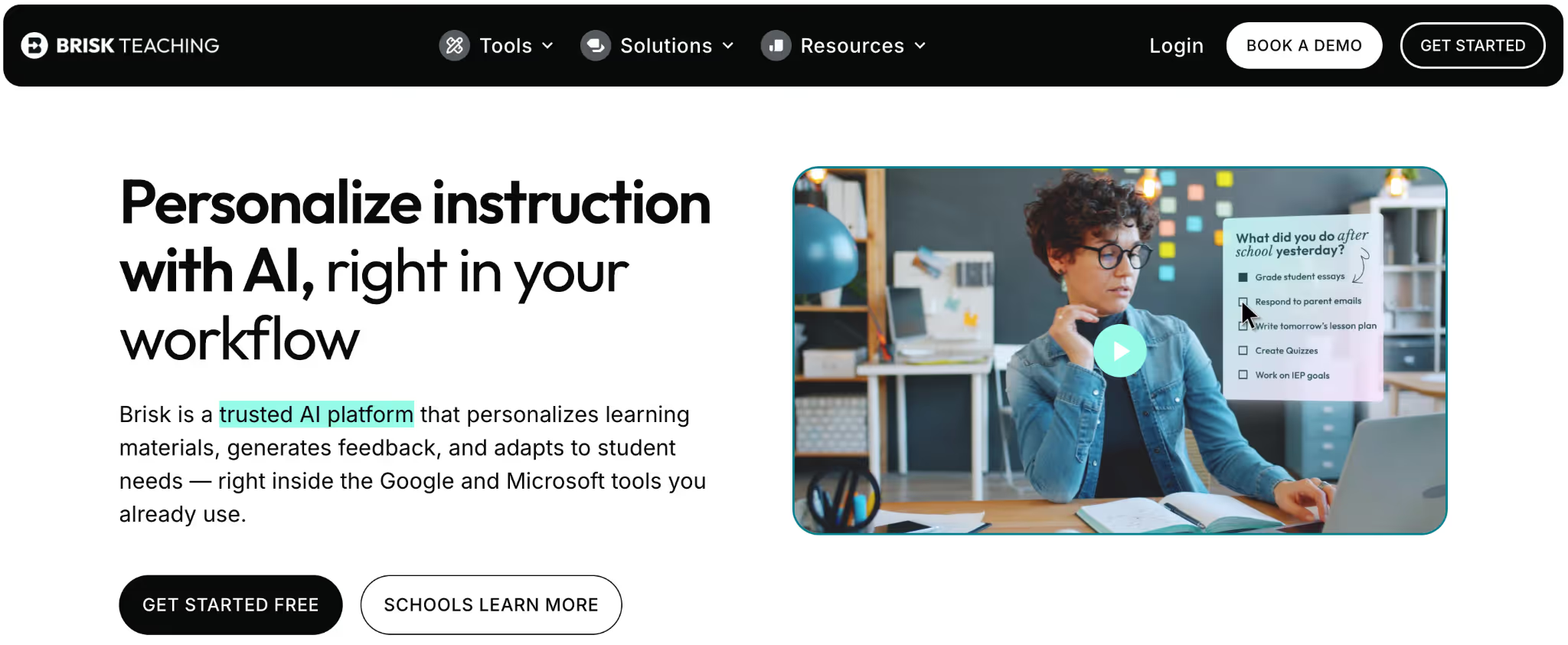
Brisk Teaching offers a lightweight AI IEP goal generator free tool that’s perfect for quick drafts.
It doesn’t pretend to generate full IEPs, instead, it focuses on what most teachers need during a rushed prep period: a measurable SMART goal you can refine.
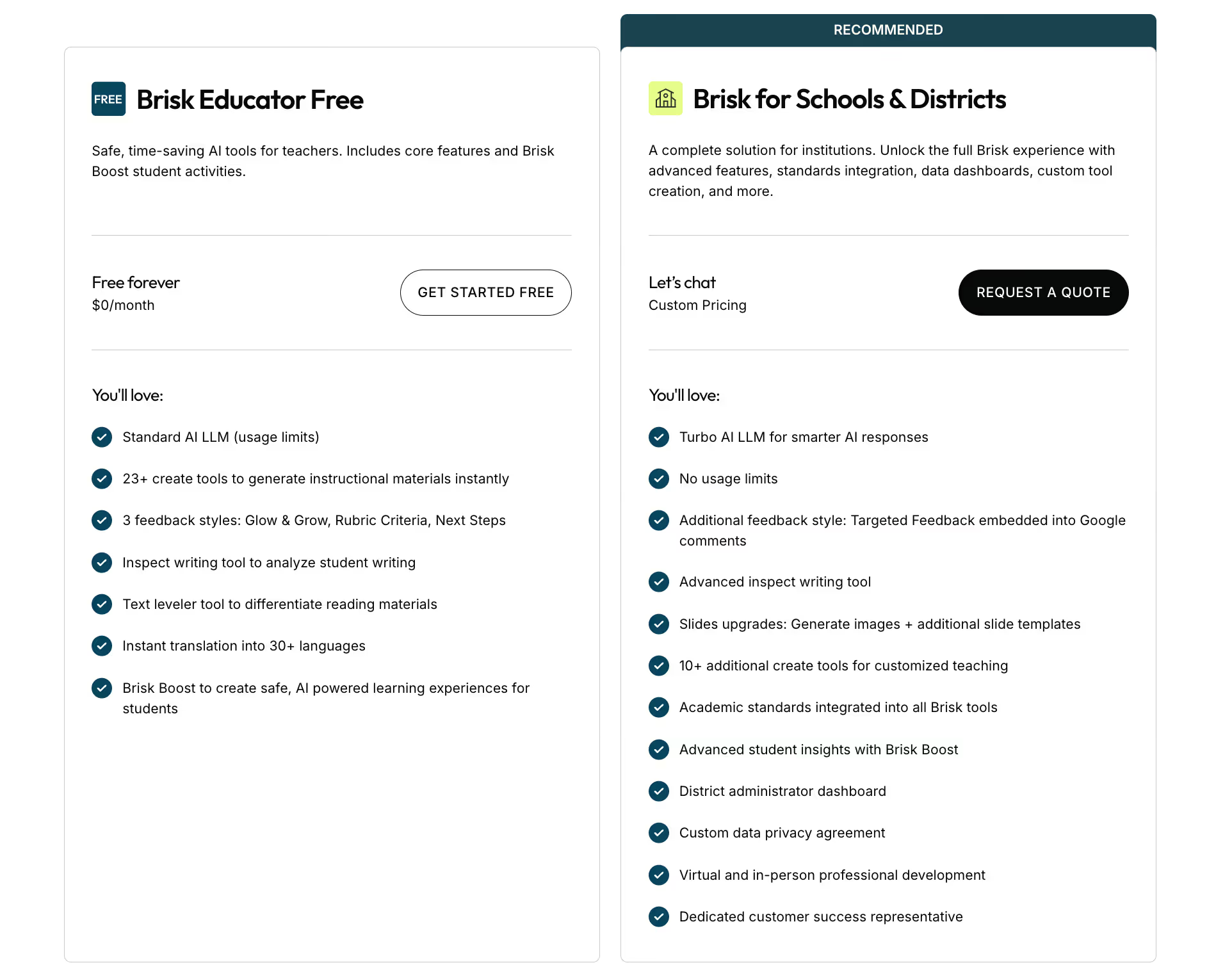
Teachers who need fast, no-frills goals from an online IEP goal generator without signing up for a big platform.
Varsity Tutors provides a publicly accessible IEP generator free tool designed primarily for academic SMART goals. Teachers select a subject, grade, and skill area, and the AI produces structured goal drafts. While not a full AI IEP writer, it is a helpful online IEP goal generator for academic goal writing in reading, math, and writing.
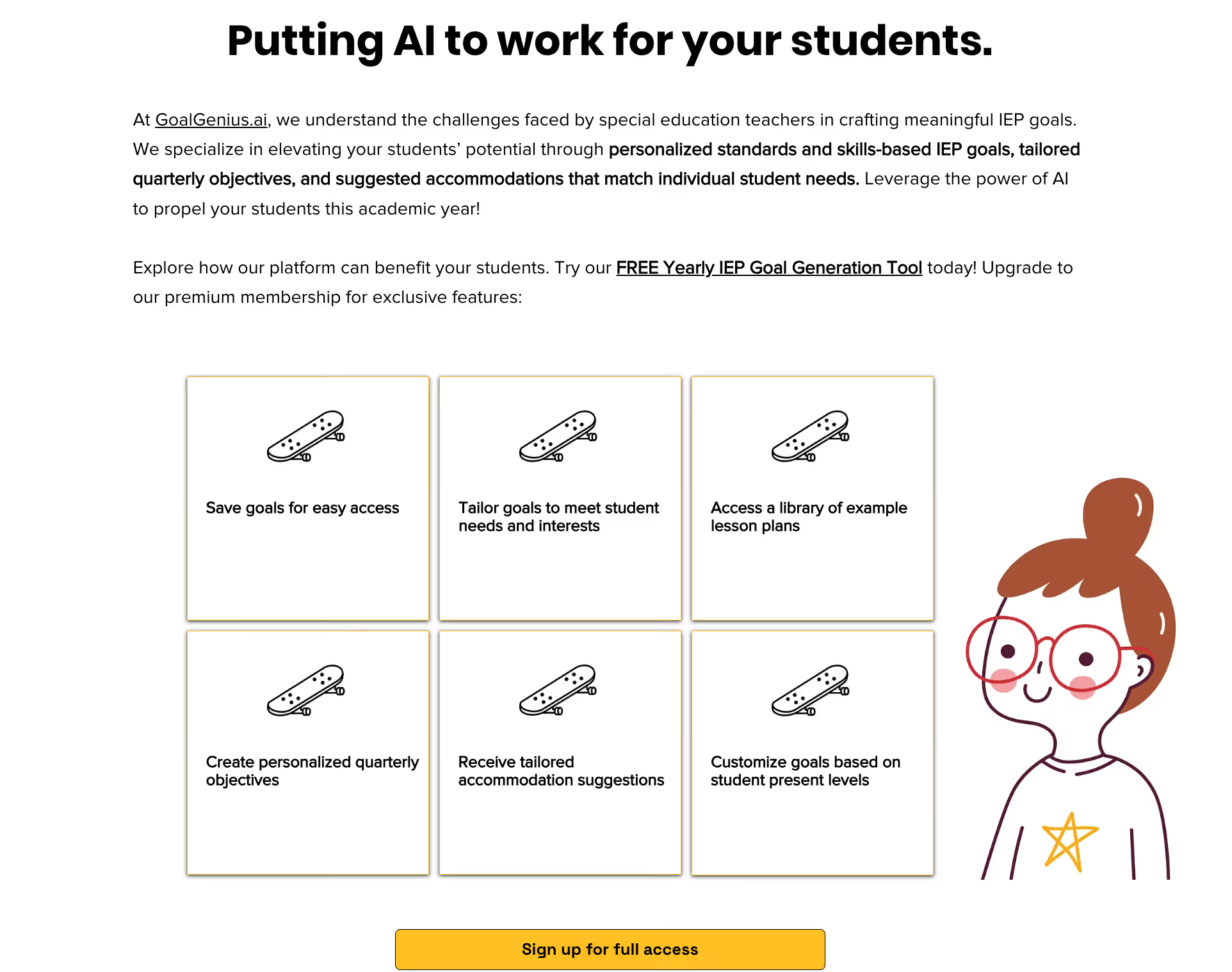
GoalGenius focuses on standards-based SMART goals and objective drafting. It’s one of the few AI IEP goal generators that supports standards alignment across grade levels. While it’s not a full AI IEP writer, it's incredibly useful when academic goals must align with curriculum benchmarks.
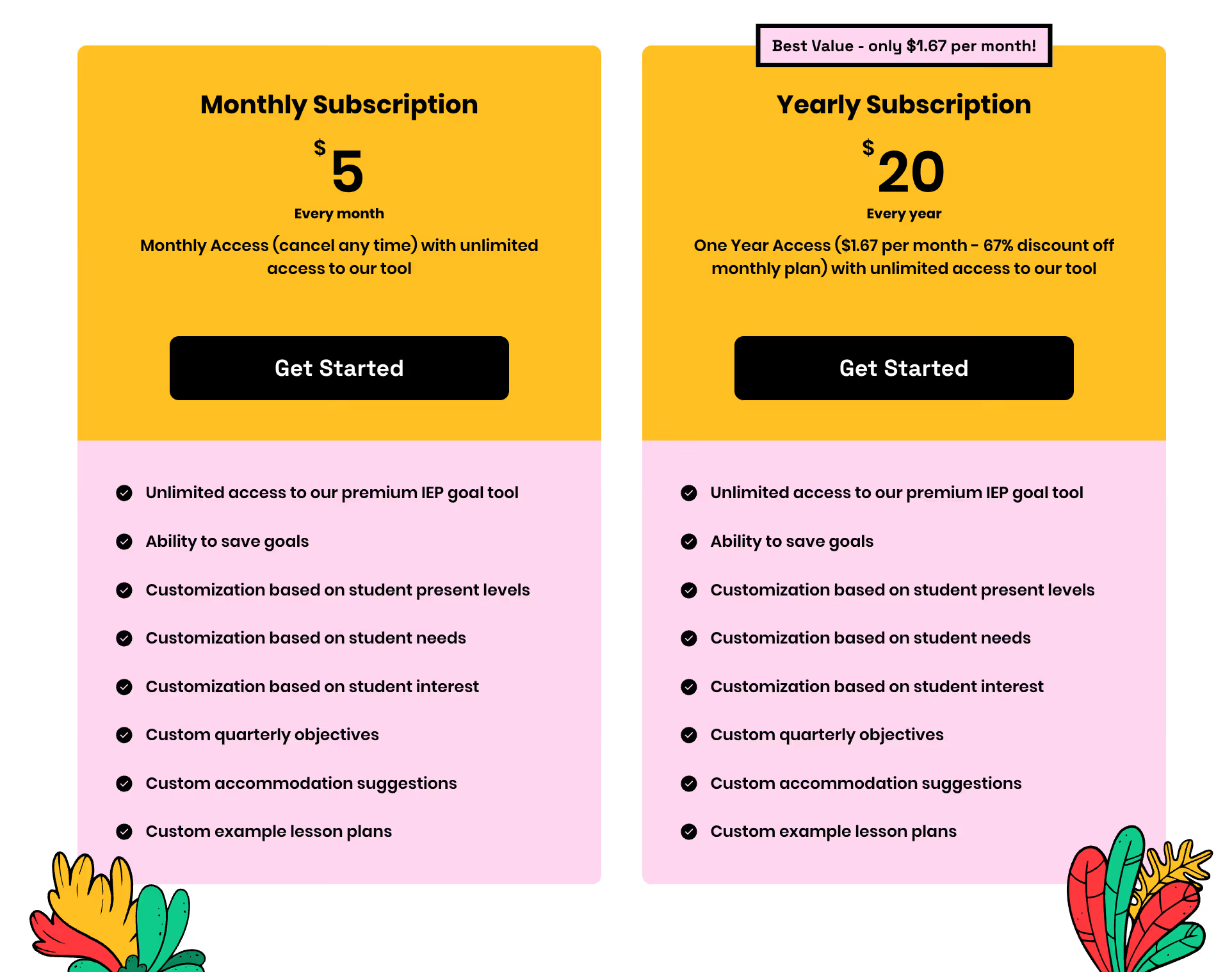
Easy-Peasy AI includes a simple online IEP goal generator template that produces quick, measurable SMART goals. It’s designed for teachers who need fast phrasing support rather than deep customization. Because of its template-driven prompts, it can serve as a lightweight IEP goal creator for day-to-day drafting.
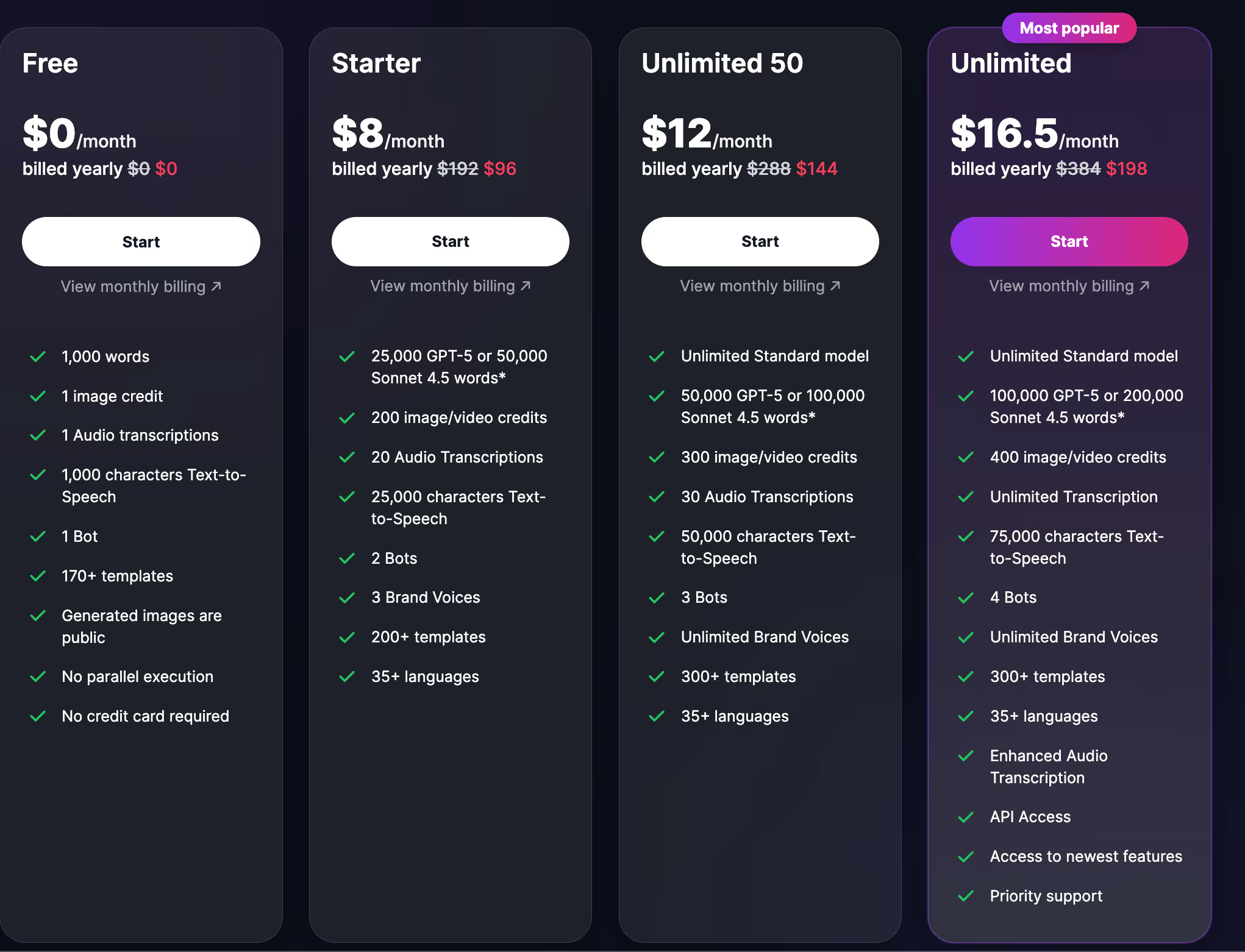
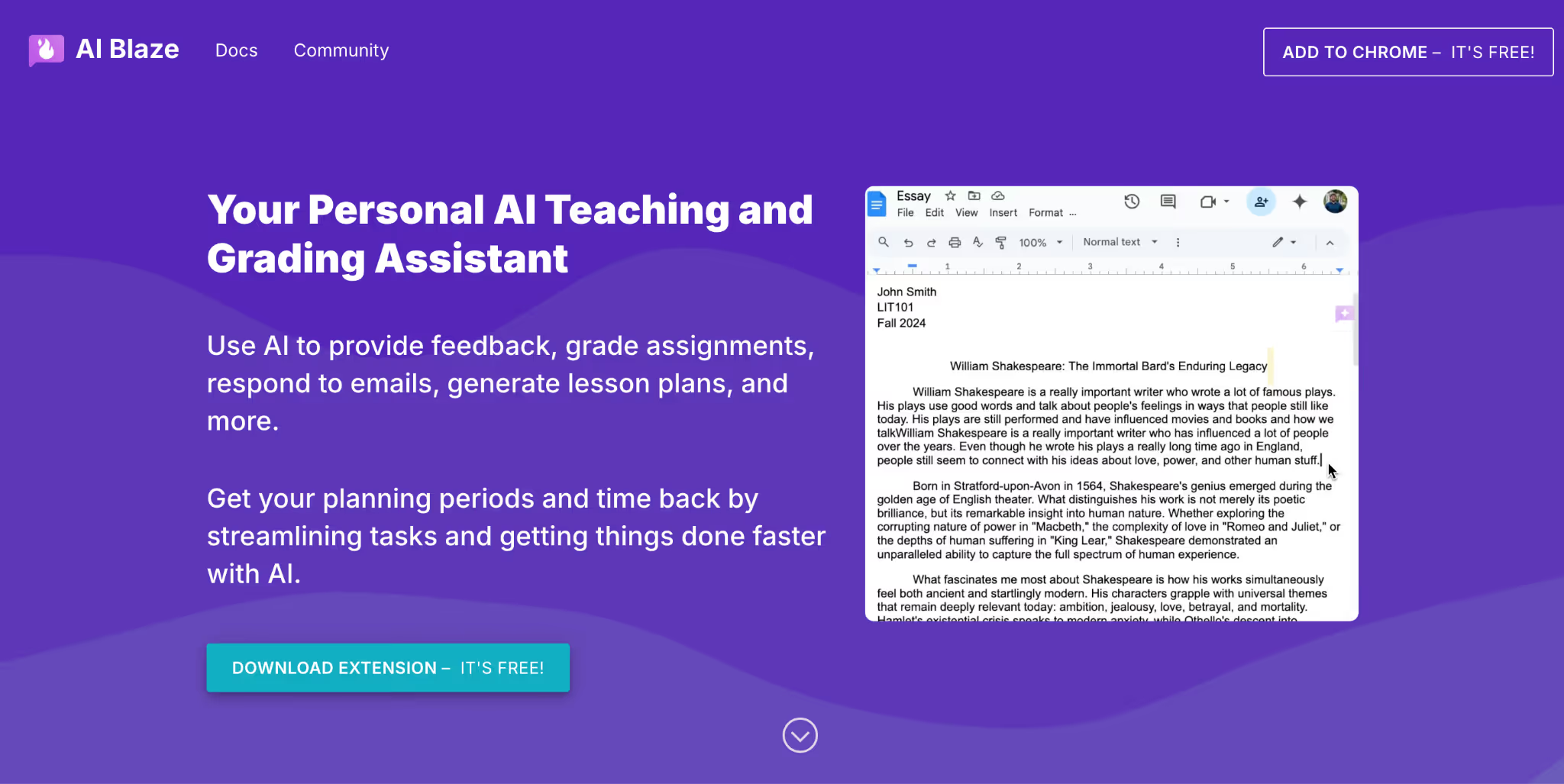
Blaze AI offers a simple but effective AI IEP goal generator designed for rewriting unclear or weak IEP goals into measurable SMART goals. While not a full AI IEP writer, it’s effective for teachers who need fast improvements to their goal language.
Not every AI IEP goal generator is designed for the same kind of teacher or workflow. Some tools are perfect when you’re handling a full caseload and need an entire IEP drafted quickly. Others are better when you just need one clean SMART goal before tomorrow’s meeting.
Here’s how to choose the right tool based on your real-life workload.
Ask yourself: Are you only trying to generate goals? Or do you want help with PLAAFP, accommodations, services, and progress monitoring?
You need a full AI IEP writer if you want:
You only need a goal-level IEP generator free if you want:
A teacher with 17 IEPs due this month needs something different from a teacher who has two renewals and plenty of prep time.
If you need speed:
Choose the tool that drafts entire IEP sections instantly.
The best tools in this category act like a full online IEP goal generator plus accommodations + services.
If you need depth:
Choose a SMART IEP goal generator that lets you fine-tune measurable criteria, baselines, and mastery levels.
Your primary workload should determine your tool.
For teachers writing mainly reading/math goals:
→ Varsity Tutors, GoalGenius, Easy-Peasy work well.
For teachers writing behavior or SEL goals:
→ Monsha or IEP CoPilot give a more accurate structure.
For teachers handling multiple disability areas (SLD, ADHD, ASD, OHI, etc.):
→ Choose a full ai iep writer that adapts to different needs.
Most free IEP goal generator tools don’t ask for student-identifiable information — and that’s a good thing.
As a rule, never enter:
Choose tools that clearly state what data is processed and whether it is stored. Teachers are legally responsible for every part of the IEP, including what goes into an AI tool.
Some AI IEP generators just create nice sentences.
Others understand the relationship between:
The second type is what saves you during IEP reviews.The more complex your caseload, the more important this alignment becomes.
Writing IEPs will always require expertise, judgment, and a deep understanding of your students. But the hours you spend formatting goals, rewriting measurable criteria, and aligning PLAAFP to services? That part is optional now.
The best AI IEP goal generators don’t replace teachers, they remove the repetitive, time-consuming steps that make the IEP season so overwhelming. Whether you need a quick SMART goal for tomorrow’s meeting or need support for the entire IEP writing workflow, Monsha is one of the strongest choices available.
Try Monsha now. It’s free.
AI can help draft IEP goals, but it cannot legally approve or finalize them. Every goal created using an AI IEP goal generator still needs to be reviewed and validated by the teacher or case manager. Tools like Monsha can structure SMART goals very well, but the legal responsibility always remains with the educator.
They can be, but compliance depends entirely on the accuracy of your input and the teacher’s final review. An AI IEP writer can create measurable, well-structured goals, yet it cannot independently determine whether the goal reflects the student’s actual needs under IDEA. You still need to check that the goal aligns with the PLAAFP and the student’s services.
Yes, there are several IEP generator free tools available online. Monsha, Varsity Tutors, Brisk Teaching, GoalGenius, and Easy-Peasy AI all offer free access to IEP goal generation. Some provide full IEP drafting features, while others focus strictly on creating measurable goals. The free versions are often enough for quick drafting, especially when deadlines are tight.
Free generators are surprisingly accurate when your input is specific. The more detail you give about the baseline and the student’s needs, the better the smart IEP goal generator performs. If the baseline is vague or incomplete, the output will sound generic, which is why reviewing and personalizing the goal is still essential.
You only need basic instructional data: the present levels, the area of need, and the expected skill outcome. A high-quality online IEP goal generator like Monsha can structure the rest, but your baseline is what determines how accurate and individualized the final goal becomes. You never need to include names or identifiable information.
Some tools can. For example, Monsha and IEP CoPilot are designed as full AI IEP writers, so they generate accommodations, services, and even progress-monitoring language, not just goals. Simpler tools like Brisk or Varsity Tutors only handle goal creation. Choosing the right tool depends on how much of the IEP you want automated.
Not if you personalize them. A good AI IEP goal creator gives you a clean, clear, measurable draft, but the teacher’s edits make it unique to the student. Most teachers use AI to avoid repetitive sentence structure, then adjust vocabulary, criteria, and support to make the goal feel individualized rather than templated.
Yes, but only more advanced tools handle behavior goals well. Behavior and SEL require observable actions, replacement behaviors, and realistic criteria. Monsha’s behavior goals tend to be more structured because it functions as a full AI IEP writer, while basic generators may struggle with the nuance required for behavior plans.
Most AI IEP goal generators do not require identifying information, and reputable tools make it clear that you should never enter names or sensitive medical details. You can generate accurate IEP goals by entering only baselines and needs. Always follow your district’s privacy guidelines and use only the information that is allowed.
No. AI is incredibly useful for speeding up the drafting process, especially when using one of the best AI IEP goal generators free tools, but it cannot replace professional judgment. AI is there to reduce workload, not replace expertise. The teacher still needs to confirm alignment, adjust tone, and ensure the final document reflects the student’s unique needs.




AI in Education Content
Pooja Uniyal works closely with teachers and schools to understand and guide how AI is being used in real classrooms today. Her work at Monsha focuses on capturing practical teaching workflows and turning them into clear, usable guidance for educators exploring AI in their daily planning.
Join thousands of educators who use Monsha to plan courses, design units, build lessons, and create classroom-ready materials faster. Monsha brings AI-powered curriculum planning and resource creation into a simple workflow for teachers and schools.
Get started for free



.avif)