Handouts make learning easier to remember — but creating them shouldn’t take hours. This guide shows teachers how to prepare classroom handouts, the ideal format, the best platforms for free student handouts, and how to generate personalised ones instantly using Monsha.
.avif)
After a dense chapter, students often leave with half-written notes, scattered takeaways, and a vague idea of what they studied.
When lessons move this fast, keeping track of multiple chapters becomes difficult for most students.
That’s why their revisions become stressful, group assignments get confusing, and parents end up unsure how to support their children. And for teachers, the pressure of creating clear, consistent learning support materials week after week.
This is where structured handouts help. A handout slows the lesson down. It tells students, “here’s what you need to understand, here’s how it works, and here’s what to review before the test.” But creating these handouts manually takes time.
That’s why tools like handout generators like Monsha exist; to help teachers turn any topic, file, or lesson into a clean, student-friendly handout in minutes, without starting from scratch or spending hours formatting.
Handouts are short, structured documents that help students revisit a lesson without reopening the textbook. Teachers use them because classroom teaching moves quickly, and most students need a simpler version of the content to revise later.
For example, after a dense lesson like Photosynthesis, you might want students to have a one-page summary they can review at home. Or, before a unit test, a “key points” handout helps them understand exactly what to study and for students who struggle with note-taking, handouts provide a consistent structure they can rely on.
They’re also useful beyond academics; a small guide on “How to prepare for online classes” or “How to divide roles in group work” reduces confusion and improves behaviour. Even during festive weeks, teachers use seasonal handouts, such as simple Christmas activity sheets, to keep classes engaged without planning an entire lesson from scratch.
Basically, handouts make learning easier to remember and teaching easier to manage.
Think of handouts as the distilled version of a lesson, the part students can carry home, pin on their wall, and revise quickly.
Preparing handouts starts with one simple question: What should my students remember from this lesson?
Once you know that, the rest of the process is about presenting those essential points clearly.
Most teachers begin by choosing the content - usually a chapter summary, a topic overview, or key points from the lesson. This is the part that requires judgement: deciding what to keep, what to simplify, and how to phrase things so students don’t feel overwhelmed.
After that, you can organise the content into a predictable structure: introduction, explanation, examples, and a short revision aid.
The last step is formatting. You make sure the handout looks clean, fits on a page, and will make sense when a student reads it on their own at home.
Monsha’s Handout Generator is designed as a teacher-first tool, which means you don’t start with a blank document, you start with your teaching material.
You can upload a PDF, paste a YouTube link, reference another Monsha resource, or simply enter a topic. Monsha turns it into a structured, student-facing handout within seconds.
Here’s what it looks like in practice:
Let’s say you want to create a Class 10 handout on The American Civil War.
You open the Handout Generator and type:“The American Civil War – Class 10 student handout.”
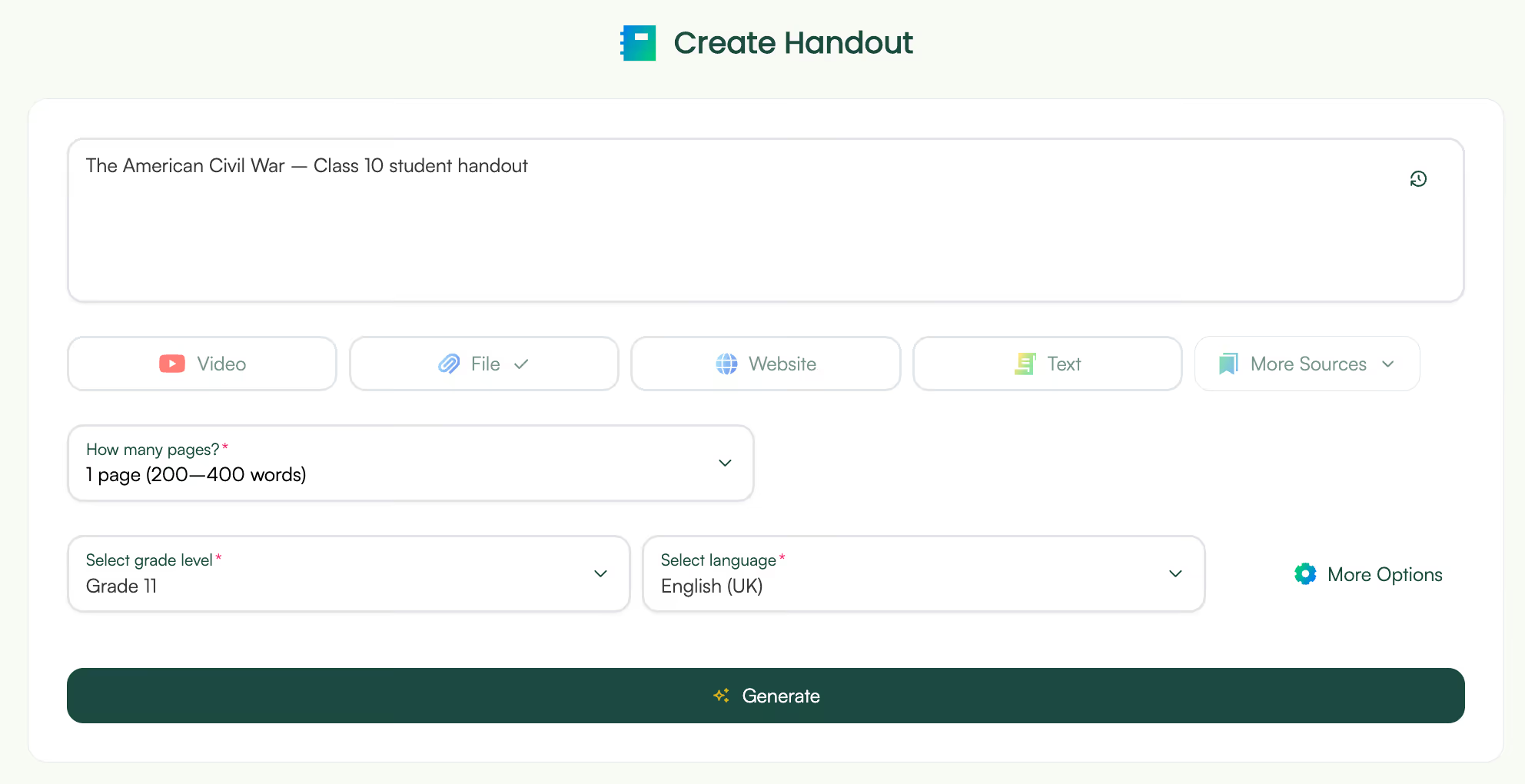
Monsha analyses the topic and generates a clean handout containing an introduction, causes, key events, important figures, effects, and short practice questions. Everything is organised logically, written for students, and formatted so it fits neatly on a page.
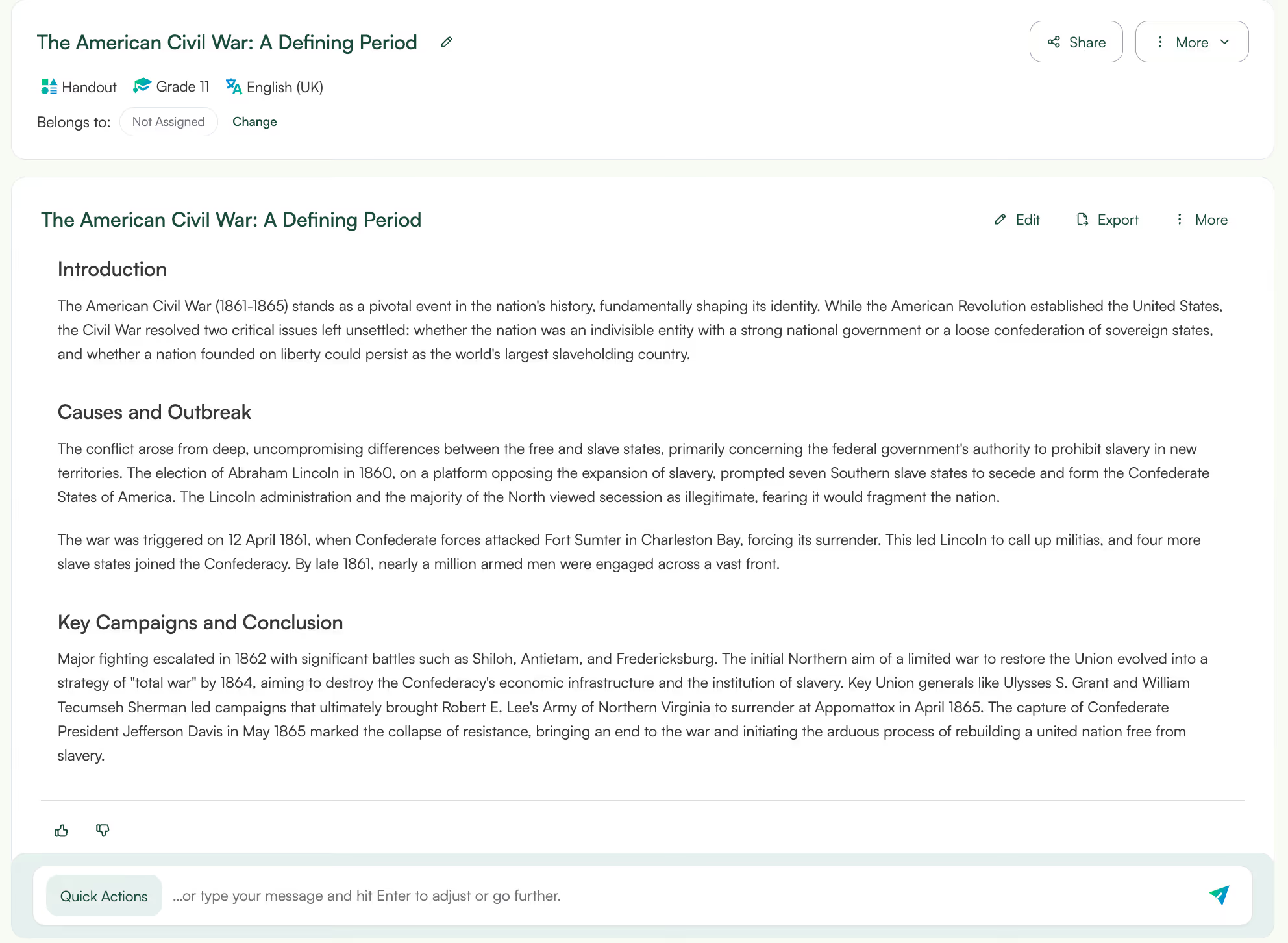
You can scan through the content and make small adjustments like simplify a few sentences and add an example or images where needed.
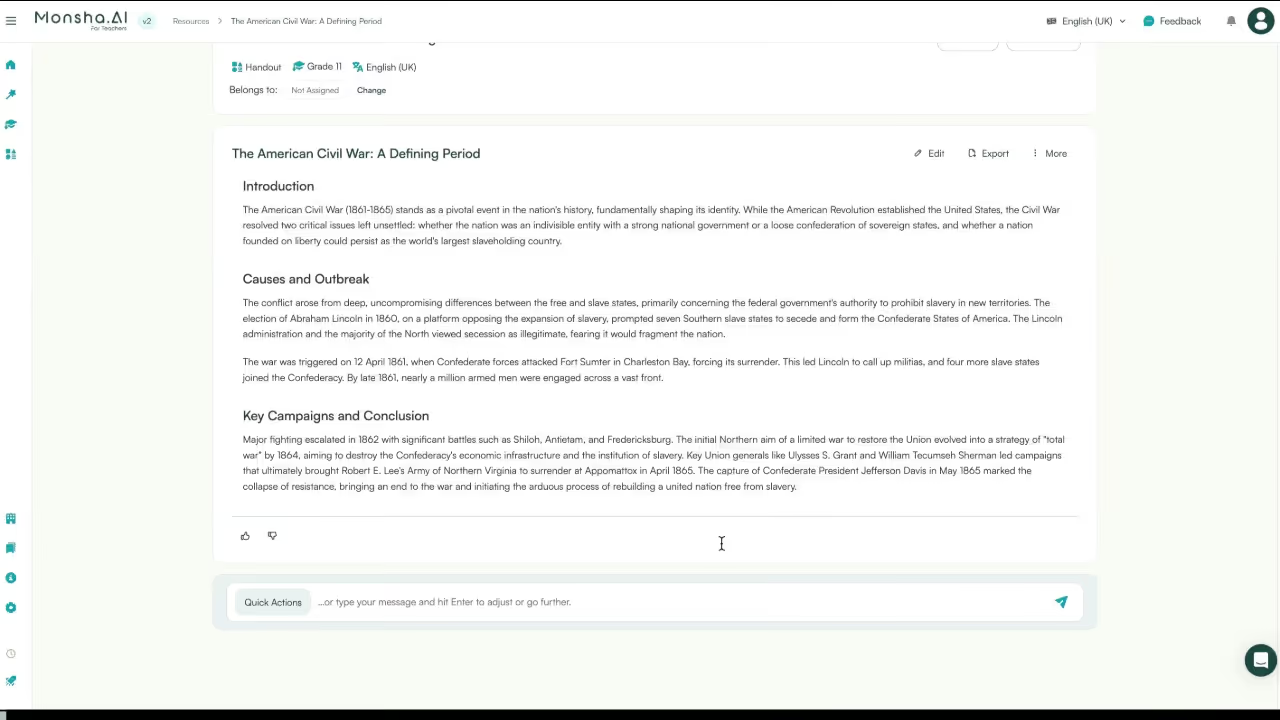
The editor behaves like a normal document editor, so rearranging or rewriting anything is straightforward. When the handout feels right, you can export it as a PDF.
The real advantage comes next. Right below the handout, Monsha lets you instantly generate follow-on materials like worksheets, quizzes, or slides based on the same content.
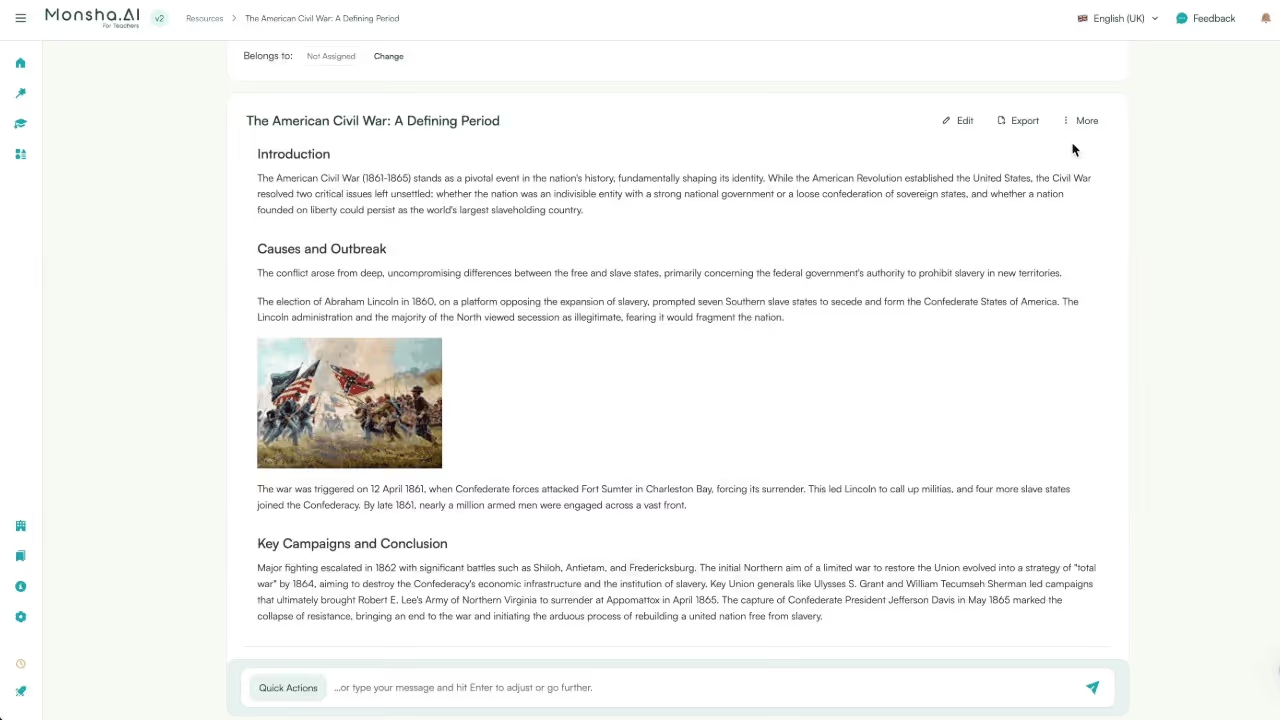
This is helpful because it keeps everything consistent across a lesson without requiring you to rewrite instructions or rephrase explanations.
If you want to generate more classroom materials with AI, here is a list of best AI prompts to create teaching resources for you.
Several platforms offer free student handouts you can use as is or adapt for your class. Here are my favorite ones:
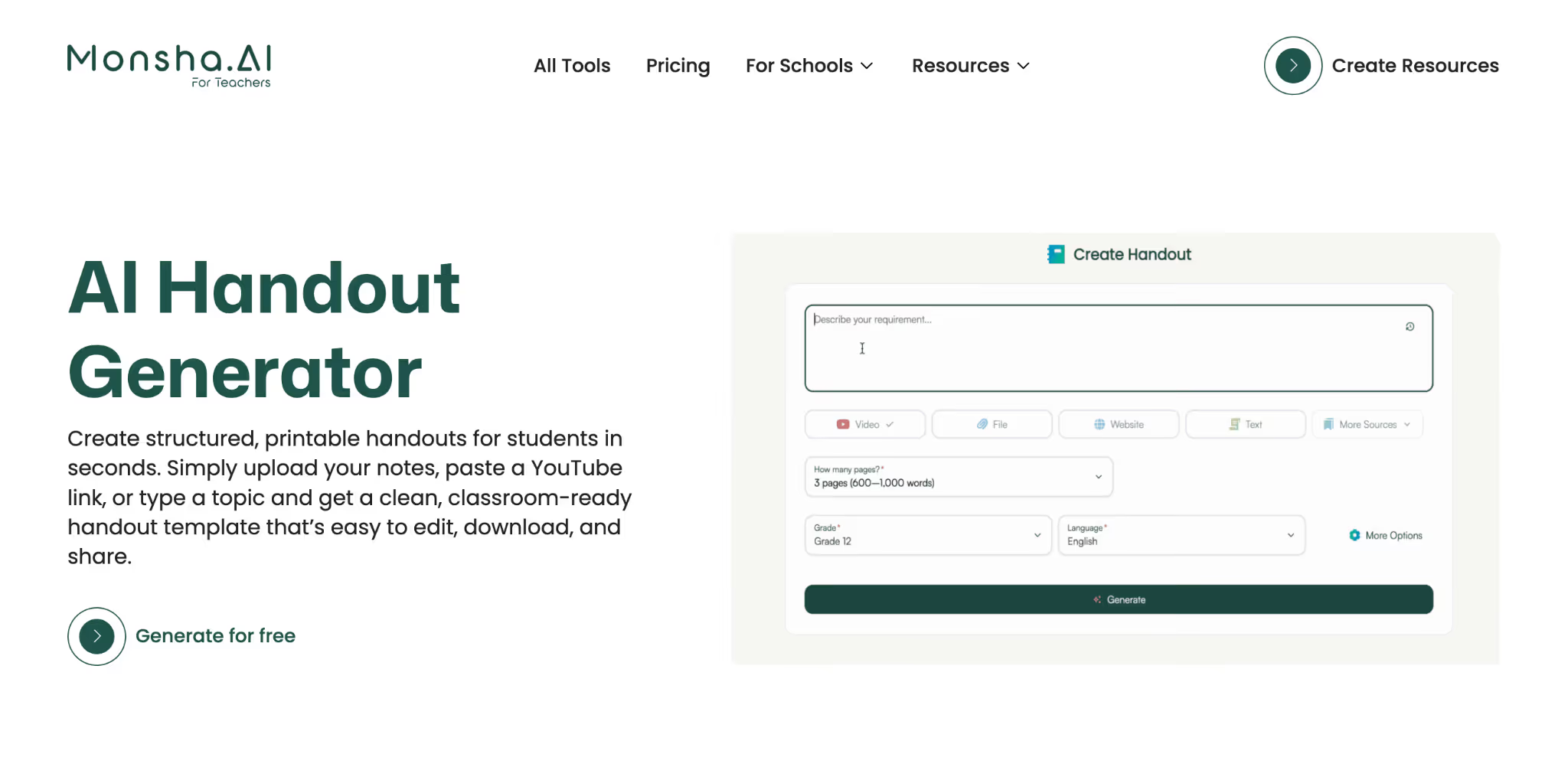
Monsha is a great handout tool because it doesn’t give you static templates, it creates personalized, curriculum-aligned handouts based on your topic or file. Whether it’s classroom handouts for students, study skills handouts, or even seasonal handouts like Christmas activities, Monsha adapts the content to your teaching style and grade level.
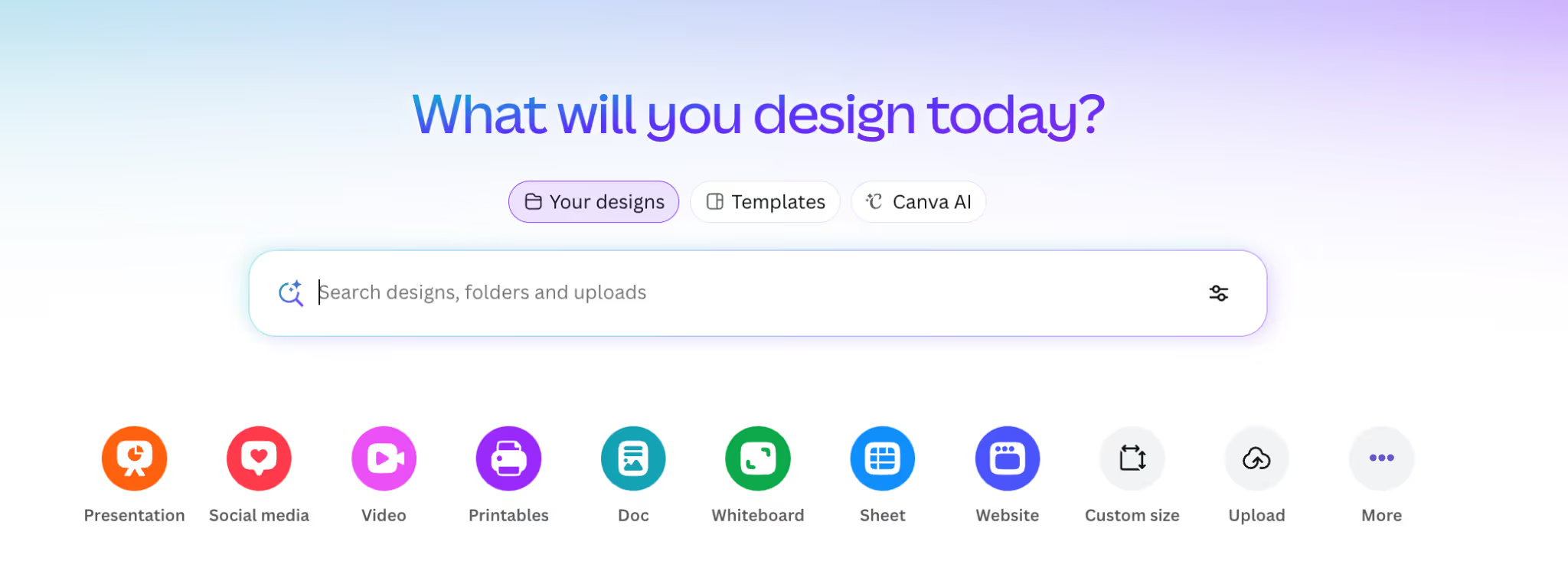
Canva is a good option if you want visually polished handouts. It offers thousands of templates for classroom materials, and you can customize colours, fonts, and layouts easily. However, it doesn’t generate academic content. You still need to write the explanations, examples, and summaries yourself. It’s best used when design matters more than content.
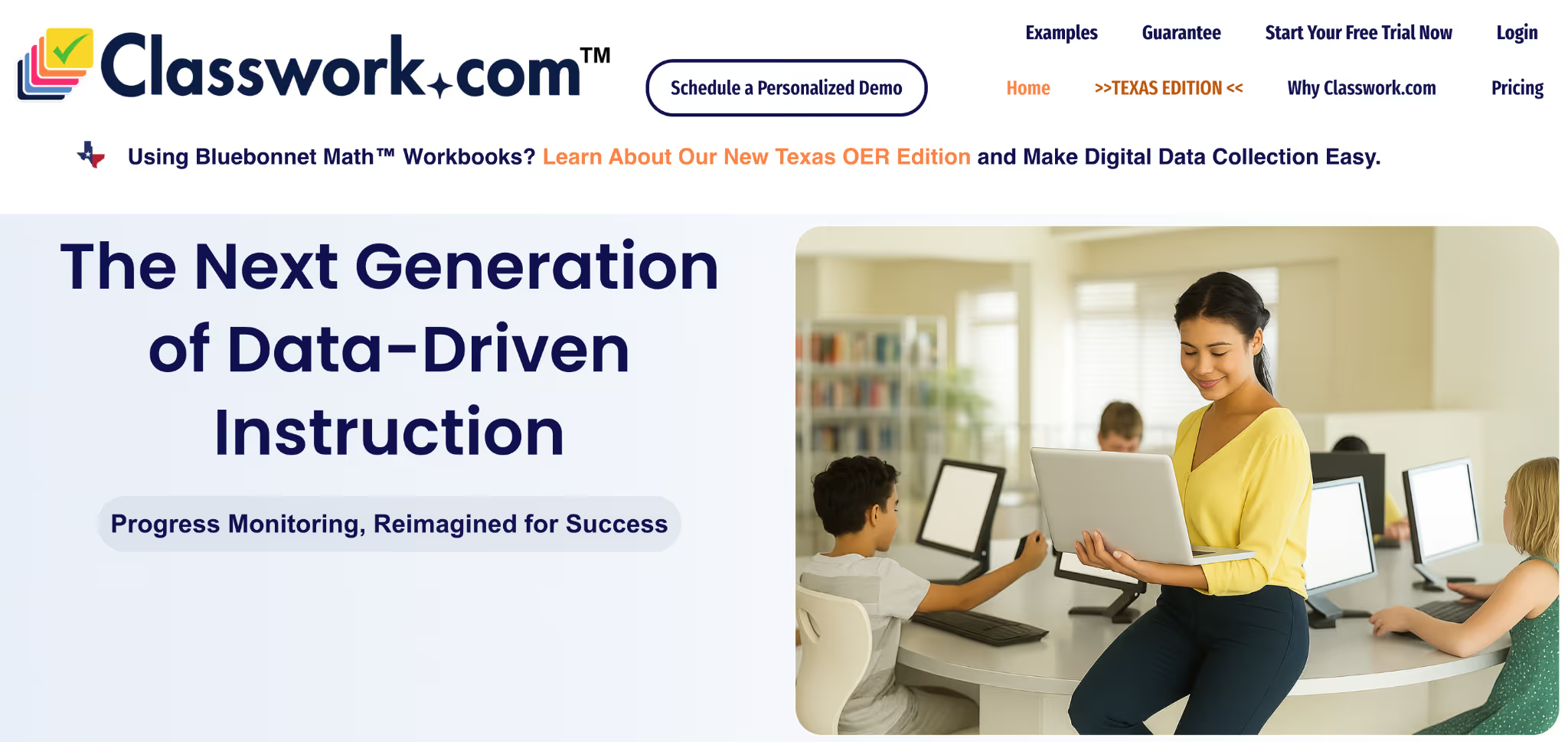
Classwork focuses on digital worksheets and interactive activities. While it’s not a dedicated handout creator, you can use it to turn static PDFs into interactive resources. If your students complete most work online, Classwork can complement handouts by offering auto-graded practice.

Handouts generally have a topic, overview and key ideas that students should remember. Here’s handouts template that you can instantly customize and use:
Handouts have always been one of the simplest ways to help students understand and remember what matters.
The difference now is that teachers no longer need to spend hours writing and formatting them. With tools like Monsha’s Handout Generator, you can turn any topic, file, or lesson into a clear, student-ready handout in minutes and keep your worksheets, quizzes, and slides aligned with it just as easily.
If you want to make handouts a consistent part of your teaching without adding extra workload, Monsha is the most practical way to start.
Create your first handout with Monsha now. It’s free.
Good handouts for students are clear, structured, and easy to use without teacher guidance. They include an overview, key points, explanations, and simple examples. Many teachers also add a small revision aid — especially for academic success handouts, study skills handouts, or study strategies handouts that help students build long-term habits.
A standard classroom handout follows a simple format: topic, overview, key ideas, explanation, examples, practice questions, and a short takeaway. This format works for both printable student handouts and digital ones used during online learning.
Yes. Monsha can generate all kinds of classroom handouts for students — including chapter summaries, concept explainers, group work handouts, group assignment tips handouts, free-rider problem handouts, and even online class preparation handouts or remote learning success handouts.
Monsha creates a draft based on your topic or file, and you can edit every part of it before exporting. This is helpful when you’re preparing learning support materials for mixed-ability classrooms or want the tone to match your teaching style.
Yes. After creating a handout, Monsha can instantly generate matching worksheets, quizzes, and slides — ensuring the same level of clarity across all your learning support materials.
Websites like StudentHandouts.com, Canva, and Classwork.com (formerly TeacherMade) offer free student handouts. These are useful starting points, but Monsha is better if you want personalised, curriculum-specific materials instead of generic templates.
Absolutely. Students rely heavily on printable student handouts before tests because they pull together key ideas, timelines, and formulas in one place. Many teachers create dedicated academic success handouts during revision weeks for this reason.
Yes. Students who have difficulty organising notes, keeping up in class, or understanding multiple chapters benefit from structured classroom handouts. Clear formatting, step-by-step explanations, and examples make the content easier to process and remember.




AI in Education Content
Pooja Uniyal works closely with teachers and schools to understand and guide how AI is being used in real classrooms today. Her work at Monsha focuses on capturing practical teaching workflows and turning them into clear, usable guidance for educators exploring AI in their daily planning.
Join thousands of educators who use Monsha to plan courses, design units, build lessons, and create classroom-ready materials faster. Monsha brings AI-powered curriculum planning and resource creation into a simple workflow for teachers and schools.
Get started for free


.avif)
.avif)